VMware Secure State: Cloud Automation and Security for DevOps Teams
VMware Secure State—born from the acquisition of CloudCoreo—brings multicloud security automation, real-time compliance reporting, and smart risk scoring into the DevOps pipeline.
Information Related to DevOps Around the World
VMware Secure State—born from the acquisition of CloudCoreo—brings multicloud security automation, real-time compliance reporting, and smart risk scoring into the DevOps pipeline.
An overview of the global DevOps Platform market, covering leading vendors such as Puppet Labs, Chef, Docker, Red Hat Ansible, and Atlassian, along with key industry segments, regional coverage, and the factors shaping adoption through the mid-2020s.
Mythic Beasts built an 18-node Raspberry Pi 4 cluster to serve the raspberrypi.org website on its busiest-ever day — and it handled millions of page requests without breaking a sweat. Here’s what the experiment reveals about ARM clusters as a legitimate server option.
Microservices architecture promises scalability and resilience, but is it the right fit for broadcast playout? This article examines the real-world trade-offs, why video processing engines resist decomposition, and when a modular or even monolithic approach may serve broadcasters better.
YOUR COSMETIC CARE STARTS HERE Find the Best Cosmetic Hospitals Trusted • Curated • Easy Looking for the right place […]
An overview of the IT infrastructure monitoring tool market as of 2019, covering major vendors, regional trends, and the factors driving adoption across enterprise environments.
Pivotal’s Cloud Foundry v2.6 release brings custom sidecar processes in beta, Spinnaker 1.14 CD integration, upcoming Concourse permissions, and multi-datacenter MySQL replication. Here’s a technical breakdown of what shipped and what’s still coming.
Security firm Dolos Group released Jenkins-Pillage, a free tool that automates the extraction of credentials, environment variables, and source code from misconfigured or unauthenticated Jenkins servers — a wake-up call for DevOps teams.
San Mateo-based Booster has closed a $56 million Series C round led by Invus to expand its on-demand fuel delivery service, which dispatches purple mini tankers directly to parked cars and corporate fleets in more than 20 U.S. cities.
AI and automation don’t replace human judgment — they amplify it. Explore how businesses can redesign workflows, roles, and processes to get the most from human-machine collaboration.
Most engineers think of AI as a single concept, but there are three distinct scenarios shaping digital transformation: Artificial Intelligence, Augmented Intelligence, and Intelligent Automation. Understanding the differences is essential for building and adopting the right solutions.
YOUR COSMETIC CARE STARTS HERE Find the Best Cosmetic Hospitals Trusted • Curated • Easy Looking for the right place […]
Before deploying Jenkins X on Kubernetes, teams should address known CVEs and harden their clusters. Here is a practical overview of the key tools involved and the vulnerabilities to remediate first.
An overview of the continuous deployment software landscape, covering leading tools, deployment models, regional adoption, and the key drivers shaping the market for engineering teams of all sizes.
An overview of military law, rules of engagement, investigative bodies, and prosecution processes related to armed forces fatalities during the Northern Ireland Troubles (1969–2007).
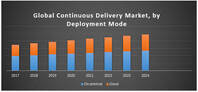
An overview of the global Continuous Delivery market landscape, covering major vendors, deployment modes, industry verticals, and geographic segments shaping CD adoption through 2024.
Making the business case for DevOps is straightforward. Executing the transition is the hard part. Here are three proven steps — setting manageable goals, focusing on people, and marketing your wins — to help engineering leaders navigate the leap from Agile to DevOps.
GitLab 11.0 introduced Auto DevOps as a generally available feature, aiming to automate the full software delivery pipeline—from build and test to security scanning, deployment, and monitoring—using Kubernetes under the hood.