Why moving to the cloud requires a ‘change of business philosophy’: How to get it right
YOUR COSMETIC CARE STARTS HERE Find the Best Cosmetic Hospitals Trusted • Curated • Easy Looking for the right place […]
YOUR COSMETIC CARE STARTS HERE Find the Best Cosmetic Hospitals Trusted • Curated • Easy Looking for the right place […]
The COVID-19 pandemic accelerated enterprise cloud adoption. Here is what DevOps engineers should understand about cloud computing ETFs, the infrastructure trends driving them, and why hyperscaler growth matters for the industry.
Breaking into cloud computing requires more than curiosity. Here are the core technical skills—from cloud platforms and networking to security and serverless architecture—that employers expect from cloud professionals.
As COVID-19 forced organisations into remote work, professionals worldwide turned to cloud computing, cybersecurity, and web programming certifications. Here is what the training data revealed.
An overview of the key trends, market segments, regional dynamics, and competitive forces shaping the global cloud computing market through 2027.
Containers-as-a-Service (CaaS) is rapidly moving from niche concept to mainstream enterprise practice. Here’s what it is, why adoption is surging, and what challenges organizations still face.
Cloud computing and Unified Communications as a Service (UCaaS) are reshaping how businesses operate. Here is what DevOps and IT leaders need to understand about the cloud’s trajectory and how to capitalize on it.
An independent technical overview of the global cloud computing services market, covering IaaS, PaaS, and SaaS segments, major vendors, deployment models, and the strategic frameworks analysts use to evaluate market growth.
Confluent has made ksqlDB (formerly KSQL) generally available as a fully-managed, production-ready service on Confluent Cloud for customers on usage-based billing plans across AWS, GCP, and Azure.
Cloud computing introduces unique security challenges—from data breaches and data loss to cryptojacking. Learn what the main threats are and how to protect your organization’s data in the cloud.
On-Premise infrastructure gave way to SaaS, which gave way to PaaS. Learn how IaaS, SaaS, and PaaS differ, and why Platform-as-a-Service has become the preferred cloud model for mobile app development teams.
The COVID-19 pandemic forced a rapid, large-scale shift to remote work, e-commerce, and digital services. Here is how cloud computing absorbed that demand and kept businesses, healthcare providers, and individuals operational during unprecedented disruption.
Neptune Software and CloudAdmin announce a referral partnership combining low-code rapid application development with cloud cost optimization for Azure and AWS environments.
From AI-driven automation and Kubernetes adoption to serverless computing and hybrid cloud architectures, explore the major cloud computing trends that defined 2020.
The shift to remote work forced by COVID-19 exposed a stark divide between organizations running on-premises infrastructure and those already in the cloud. Here is what IT teams and DevOps engineers can learn from that moment.
A closer look at three cloud computing companies—Salesforce, Twilio, and Upwork—and why their business models positioned them as stocks of interest during the COVID-19-driven shift to digital operations.
Cloud communications have become essential infrastructure for distributed teams. This Q&A explores the technology, security risks, and human challenges behind large-scale remote work adoption.
While much of the global economy contracted during the COVID-19 pandemic, AWS, Microsoft Azure, and Google Cloud continued active hiring across engineering, architecture, and product roles—reflecting surging demand for cloud services.
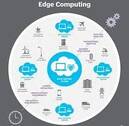
Edge computing and cloud computing are not competing technologies — they are complementary. Learn how edge computing works, where it outperforms the cloud, and how architects can use both together.
Three major cloud computing players — Rackspace, IBM, and Zenoss — made significant channel-facing announcements in early 2020, covering EMEA expansion, hybrid cloud leadership, and regional SaaS availability.