What is Kubernetes? An explainer for marketers
YOUR COSMETIC CARE STARTS HERE Find the Best Cosmetic Hospitals Trusted • Curated • Easy Looking for the right place […]
YOUR COSMETIC CARE STARTS HERE Find the Best Cosmetic Hospitals Trusted • Curated • Easy Looking for the right place […]
The AWS Management Console is the web-based control plane for all Amazon Web Services. Learn what it does, why it matters, and how DevOps teams use it to manage cloud infrastructure.
YOUR COSMETIC CARE STARTS HERE Find the Best Cosmetic Hospitals Trusted • Curated • Easy Looking for the right place […]
Hiring a great DevOps engineer is harder than it looks. These seven interview questions help you identify candidates who combine technical depth, collaboration skills, and a genuine passion for continuous improvement.
A look at institutional investor moves, insider share sales, key financial metrics, and analyst ratings for VMware, Inc. (NYSE: VMW) based on SEC filings and public disclosures from late 2019 and early 2020.
Quality assurance is not a phase that comes after development in a DevOps model—it is woven into every stage of the pipeline. Learn why QA is foundational to DevOps success and how to align testing practices with CI/CD workflows.
YOUR COSMETIC CARE STARTS HERE Find the Best Cosmetic Hospitals Trusted • Curated • Easy Looking for the right place […]
Not every organization needs DevOps pipelines or container orchestration. Learn how to honestly assess whether these technologies serve your data center—and how to survive if they don’t.
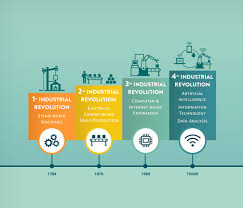
Cloud computing is a foundational enabler of the Fourth Industrial Revolution. Discover how IoT, AI, automation, and cloud platforms are transforming the BFSI sector and what benefits financial institutions can expect.
An overview of the DevSecOps market landscape, covering growth drivers, regional adoption, deployment models, enterprise segmentation, and leading vendors shaping the industry.
Helm is the de-facto package manager for Kubernetes, wrapping complex multi-resource deployments into versioned, shareable charts. Learn how Helm charts reduce operational overhead, improve consistency, and strengthen your Kubernetes deployment workflow.
Modern DevOps teams ship code hundreds of times a day, but manual testing and deployment bottlenecks slow everything down. Here is how CircleCI uses CI/CD automation to cut cycle times, reduce risk, and help engineering teams deploy with confidence.
Running Kubernetes in-house is complex, costly, and risky. Managed Kubernetes services offload cluster operations so your teams can focus on delivering software. Here is what to look for and how leading providers compare.
Kubernetes is the de facto container orchestration platform, but it has real shortcomings. Here are four areas where the project could meaningfully improve: installation complexity, YAML-only configuration, multi-cluster support, and small-scale usability.
The 5G wireless industry is embracing cloud-native design principles—containerization, microservices, CI/CD, and DevOps—to accelerate network innovation. Here’s what that transition means, and what challenges remain.
Endpoint Detection and Response (EDR) solutions and DevOps share a common dependency on automation. Learn what EDR is, what security challenges DevOps teams face, and how integrating EDR into your DevOps toolchain can close critical security gaps.
API vulnerabilities are most often introduced during development, yet security is still treated as an afterthought. Here is how DevOps teams can build security into every stage of the API lifecycle.
An overview of the cloud infrastructure automation software landscape, covering major vendors like AWS, Google, HashiCorp Terraform, Ansible, and Microsoft, along with the key technical and business forces shaping adoption.
A look back at the most significant technology developments of 2019, including Kubernetes adoption for big data, AI momentum, IoT investment, and the push for data privacy legislation.
DevOps, NetOps, SecOps, DevSecOps — the terminology keeps evolving, but renaming teams does not eliminate silos. Here is why cloud security demands a genuinely collaborative “modern ops” culture, not just a new label.