Continuous Integration Tools: Jenkins vs Travis CI
Integration hell is a real productivity killer. Learn how CI servers work, and how Jenkins and Travis CI compare so you can pick the right tool for your project.
DevOps Tools
Integration hell is a real productivity killer. Learn how CI servers work, and how Jenkins and Travis CI compare so you can pick the right tool for your project.
Docker has become one of the most widely adopted platforms in modern software delivery. This article explains what Docker is, how it relates to containerization, and the ten most important benefits it offers DevOps and engineering teams.
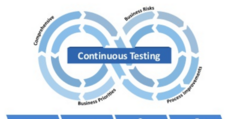
An overview of the leading continuous testing tools and platforms used by DevOps and Agile teams to automate, manage, and accelerate software quality throughout the delivery pipeline.
YOUR COSMETIC CARE STARTS HERE Find the Best Cosmetic Hospitals Trusted • Curated • Easy Looking for the right place […]
Distributed network monitoring in mission-critical environments is complex and error-prone. These ten practical steps cover setup, templating, SNMP, agentless monitoring, alerting, visualization, service desk integration, and SLA reporting to help you deploy and operate a reliable monitoring system.
A joint Atlassian and xMatters survey reveals where DevOps is delivering results—and where culture, monitoring, and incident management still need work.
YOUR COSMETIC CARE STARTS HERE Find the Best Cosmetic Hospitals Trusted • Curated • Easy Looking for the right place […]
CA Technologies has finalized its acquisition of application security testing firm Veracode for approximately $614 million, expanding its DevOps and security portfolio.
Running Docker inside a corporate network with a web proxy? Learn how to configure the Docker daemon, Dockerfile ENV variables, and build arguments so that both image pulls and in-container package managers work correctly behind a proxy.
DevOps has expanded what “code” means in a software project. Infrastructure, configuration, monitoring scripts, and CI/CD pipelines are all code now — so why are testers still only focused on the application layer?
Docker container architecture has evolved well beyond a single host and image. Learn the seven key decisions—hardware, OS, cloud vs. on-premises, orchestration, registries, security, and monitoring—that define a production-ready container stack.
Container technology offers enterprises real speed, portability, and delivery advantages — but CIOs must understand the limitations, adoption challenges, and strategic context before committing resources.
Virtual environments introduce unique cybersecurity challenges. These five trends—from integrated security to ransomware on VDI—defined the direction of virtualization security and remain foundational concerns today.
The declarative Jenkins pipeline syntax lowers the barrier to entry for new users while remaining fully compatible with the scripted pipeline approach used by advanced teams.
Puppet was awarded Best DevOps Tool for Open Source at the 2017 DevOps Excellence Awards in London, recognising its contribution to automation and the open source community.
Learn how to build a complete continuous development pipeline that automatically builds, deploys, and tests a Node.js application using GitHub, CircleCI, Heroku, and Assertible.
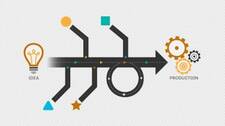
No single tool covers the entire continuous delivery pipeline. Learn how to evaluate and assemble the right orchestration suite—from planning and build through integration, testing, and team communication.
A clear, practical introduction to Docker — what it is, why it matters, who uses it, and how to get started with software containers.
Learn how to build a basic continuous delivery pipeline for Spring Boot microservices using Docker containers and Jenkins Pipeline. This guide covers Dockerfiles, Jenkins Groovy pipeline scripts, a local Docker registry, and end-to-end testing across four chained service pipelines.
Managing dozens or hundreds of containers manually is impractical. This primer explains how Docker Swarm mode, Kubernetes, and Mesosphere Marathon each approach container orchestration, and how to choose the right tool for your environment.