1. Introduction to DORA Metrics
When it comes to understanding and improving software delivery performance, the DORA Metrics play a crucial role. These metrics provide valuable insights into the efficiency, quality, and speed of software development processes.
Key Metrics to Consider:
- Deployment Frequency
- Lead Time for Changes
- Mean Time to Recover
Advantages of Using DORA Metrics:
- Identifying bottlenecks in the development pipeline.
- Measuring the impact of process improvements.
- Enabling data-driven decision-making.

2. Setting Up and Configuring DORA Metrics
In this section, we will discuss the steps required to set up and configure DORA Metrics for your project.
Steps to Set Up DORA Metrics:
- Step 1: Define the key metrics that are relevant to your project.
- Step 2: Implement the necessary data collection mechanisms.
- Step 3: Set up a dashboard or visualization tool to display the metrics.
Configuring DORA Metrics:
Once you have set up the basic metrics, you can configure them to align with your project goals and objectives.
- Configuration Tip 1: Regularly review and update the metrics based on project changes.
- Configuration Tip 2: Customize the visualization of metrics to make them more actionable.
- Configuration Tip 3: Establish thresholds for each metric to track performance trends.
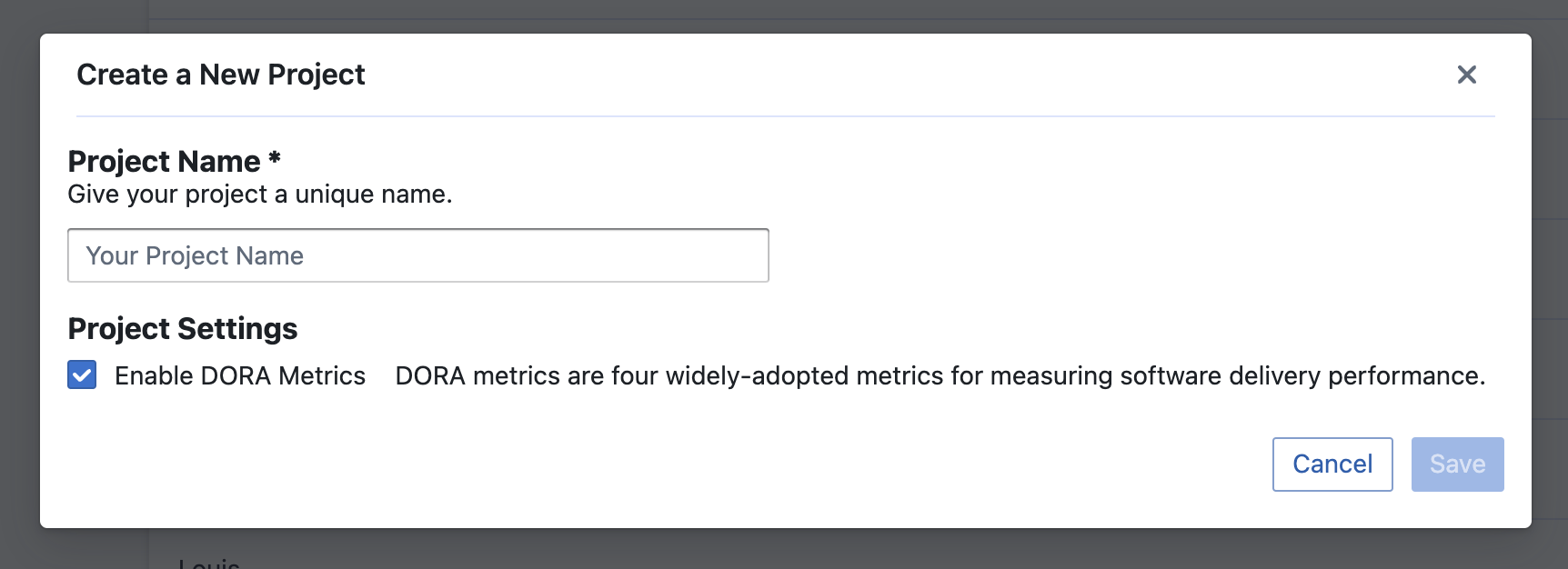
3. Understanding Key DORA Metrics
Definition of DORA Metrics
DORA metrics are key performance indicators…
Impact of DORA Metrics
Implementing DORA metrics can lead to…
Types of DORA Metrics
- Deployment Frequency
- Lead Time for Changes
- Mean Time to Recover
- Change Failure Rate

4. Implementing DORA Metrics in Your Workflow
In order to effectively apply DORA Metrics to your workflow, consider the following steps:
- Evaluate Current Workflow: Assess your current processes to identify areas for improvement.
- Define Key Metrics: Determine which DORA Metrics are most relevant to your goals.
- Establish Baseline: Measure the current performance levels to establish a starting point.
- Implement Changes: Make iterative changes based on the identified metrics for improvement.
- Monitor Progress: Continuously track and monitor the metrics to gauge the impact of the changes.
5. Analyzing and Interpreting DORA Metrics for Continuous Improvement
This section will cover how to analyze and interpret the DORA metrics to drive continuous improvement in your projects.
Key Steps:
- Collect Data: Start by collecting relevant data for DORA metrics from your project.
- Analyze Metrics: Use statistical analysis tools to interpret the metrics and identify trends.
- Set Goals: Based on the analysis, set achievable goals for improvement in key metrics.
- Implement Changes: Implement changes in processes or workflows to meet the set goals.
- Track Progress: Continuously track and monitor the progress towards the set goals.
/filters:no_upscale()/articles/metrics-quality-software/en/resources/4figure-5-1673961550238.jpg)
This is a really helpful and well-curated list of DORA metrics tutorials — thank you for putting this together in a way that makes it easy to understand why these metrics matter and how to actually use them to improve performance. I especially appreciate how the article highlights resources that explain not just the definitions of deployment frequency, lead time, change failure rate, and time to restore service, but also practical advice on real-world measurement, interpretation, and improvement. For many teams, understanding DORA metrics can feel abstract, but seeing them through multiple perspectives and tutorials — from foundational concepts to actionable insights — makes it much easier to connect the dots and start meaningful conversations about performance with technical and business stakeholders. It’s also great that the selection seems balanced between beginner-friendly explanations and deeper, experience-driven content, so whether you’re just starting your DevOps journey or looking to refine your measurement approach, there’s something valuable here. Overall, this list is a solid resource for anyone looking to better understand and apply DORA metrics in their team’s continuous improvement efforts.