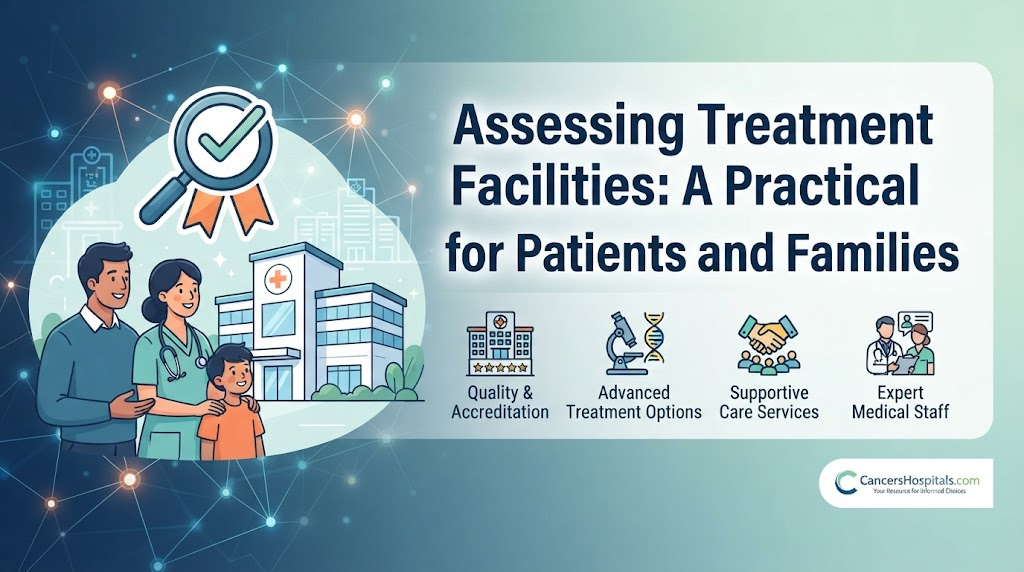
Encountering a serious medical condition immediately alters a household’s routine, bringing significant emotional strain right alongside urgent care decisions. Because contemporary medicine depends heavily on specialized multidisciplinary teams, advanced technologies, and coordinated care pathways, determining where to seek treatment is one of the most critical choices an individual can face. Comprehensive oncology care involves far more than a single medical consultation; it spans accurate diagnostic testing, tailored therapeutic interventions, ongoing supportive services, and long-term recovery planning. Since every patient’s biological profile and clinical background are entirely unique, individuals and loved ones benefit immensely from investigating medical facilities and practitioners thoroughly. The most appropriate healthcare facilities are those that align precisely with an individual’s specific clinical needs rather than relying on broad institutional prestige or commercial popularity.
What Separates Leading Care Centers?
When evaluating healthcare facilities, patients often wonder what sets exceptional institutions apart from standard community clinics. Leading centers typically distinguish themselves through deep institutional experience and comprehensive infrastructure dedicated entirely to complex conditions.
Core attributes of these facilities include:
- Access to board-certified specialists across diverse subspecialties to ensure expert, condition-specific guidance.
- Advanced diagnostic capabilities, including high-resolution imaging and sophisticated molecular pathology that clarify the exact nature of the illness.
- Fully integrated medical, surgical, and radiation departments that collaborate closely on every patient case.
- Specialized nursing staff trained specifically in clinical care, toxicity monitoring, and patient comfort.
- Robust supportive care, rehabilitation, and palliative services designed to preserve overall well-being.
- Multidisciplinary tumor boards where clinical experts review complex cases collectively to design individualized treatment strategies.
No single hospital is universally superior for every individual. Suitability depends heavily on the specific medical condition and the availability of the exact clinical specialist required.
Understanding Comprehensive Treatment Facilities
Comprehensive medical treatment facilities serve as the backbone of modern care, guiding patients from initial detection through post-treatment monitoring. These environments are organized to provide every phase of care within a cohesive framework.
The journey typically begins with accurate diagnosis and precise staging, utilizing advanced testing to evaluate disease progression. Once staging is complete, the clinical team establishes a personalized plan, which may incorporate surgery, radiation, systemic treatments like chemotherapy, or targeted therapies. Beyond primary medical interventions, these institutions offer essential clinical support, such as symptom relief, nutritional guidance, physical therapy, and structured follow-up care. The ideal facility depends on the patient’s specific diagnosis, therapeutic needs, and the proximity of seasoned clinical experts.
The Role of Specialized Facilities
Dedicated medical centers focus exclusively or primarily on specific diseases, concentrating their resources, technology, and staffing solely on specialized care. Unlike general community hospitals, specialized centers build profound institutional expertise simply by managing a high volume of complex cases.
These institutions feature dedicated departments equipped with advanced surgical suites, specialized radiation technology, and tailored inpatient units. The presence of integrated multidisciplinary teams allows for seamless transitions between surgical care and systemic therapies, while support services are specifically customized to address the physical and emotional realities of living through a major illness.
Exploring Dedicated Specialists
Oncology centers focus intensely on the science and practice of modern medicine, bringing diverse medical disciplines under one roof. Because many contemporary treatment regimens combine multiple modalities, close coordination among different specialists is vital.
These environments integrate medical, surgical, and radiation care alongside hematology, pathology, and radiology. Specialized nurses monitor patients closely throughout their treatment cycles, while nutritionists and rehabilitation professionals help maintain physical strength. Psychological support is also incorporated to assist patients and their families through emotional hurdles. When different medical specialties communicate effectively, treatment plans can adapt dynamically to how the patient’s body responds.
How to Evaluate Facilities for Care
Selecting a healthcare provider requires careful evaluation of practical and clinical factors, looking well past marketing campaigns or broad institutional prestige.
Important evaluation criteria include:
- Demonstrated clinical experience and case volume regarding the specific diagnosis.
- Relevant specialist expertise led by experienced board-certified clinicians.
- Access to advanced diagnostic tools and modern therapeutic technologies.
- Established multidisciplinary care models where specialists collaborate on treatment strategies.
- Hospital infrastructure, including specialized intensive care units and dedicated clinical wards.
- Comprehensive supportive care, pain management, and survivorship programs.
- Clear communication regarding treatment protocols, potential side effects, and expected timelines.
- Financial transparency, insurance compatibility, and overall geographic accessibility.
Patients should prioritize institutions that demonstrate genuine mastery over their specific medical condition.
Interpreting Global Rankings and Reputation
International lists highlighting top-tier medical centers frequently capture public attention, but these accolades require careful interpretation. Different organizations utilize varied ranking methodologies, ranging from peer surveys and research output to technology adoption and patient satisfaction metrics.
While internationally famous institutions often lead in clinical research and trial availability, a prestigious name does not automatically guarantee that it is the most appropriate option for every individual. Travel logistics, distance from a personal support network, language barriers, and financial costs heavily influence a patient’s well-being during treatment. For many people, receiving high-quality care closer to home or at a specialized regional center offers a far more practical and sustainable environment.
Finding the Right Medical Specialists
The relationship between a patient and their physician is a cornerstone of effective healthcare. Finding the right medical specialist involves examining practical clinical credentials alongside interpersonal communication skills.
Key considerations when evaluating a doctor include:
- Relevant board certification in oncology or a specific clinical subspecialty.
- Extensive clinical experience treating the exact condition and stage in question.
- Affiliation with recognized medical centers and active involvement in multidisciplinary review boards.
- An open communication style that encourages patient questions and explains medical concepts clearly.
- Willingness to discuss potential risks, alternative treatments, and clinical trial opportunities.
- A structured approach to follow-up care and long-term recovery planning.
Trust and transparent communication help patients navigate difficult choices with greater peace of mind.
Overview of Available Therapies
Medical care has evolved significantly, moving away from generalized approaches toward highly individualized medicine. Treatment choices depend on the specific condition, stage, genetic biomarkers, overall health, and prior medical history.
Common therapeutic strategies include:
- Surgery to physically remove localized tumors and surrounding margins.
- Radiation therapy utilizing targeted energy beams to destroy affected cells.
- Chemotherapy employing systemic medications to address rapidly dividing cells throughout the body.
- Targeted therapy focusing on specific genetic mutations driving disease growth.
- Immunotherapy designed to help the body’s immune system recognize and fight illness.
- Hormonal therapy utilized for conditions sensitive to specific hormone pathways.
- Cellular or stem-cell therapies for specific blood-related malignancies.
- Active surveillance involving close monitoring without immediate aggressive intervention for slow-progressing conditions.
- Supportive and palliative care integrated alongside primary treatments to manage symptoms.
Every treatment plan is entirely unique, determined only after a thorough professional evaluation of clinical variables.
Considerations Regarding Treatment Abroad
Some families explore medical treatment in another country to access specialized expertise, unique clinical trials, or particular technologies not readily available locally. While international medical travel can open doors to advanced options, it demands careful planning and realistic expectations.
Patients considering care abroad must weigh travel logistics, language assistance, secure medical record transfers, and the continuity of follow-up care upon returning home. Financial expenses and insurance limits must also be thoroughly analyzed. Traveling for care is not automatically superior to local treatment, and patients must balance potential medical benefits against the physical strain of long-distance travel and separation from their support network.
Understanding International Medical Travel
International healthcare involves coordinating cross-border consultations, bridging communication between overseas specialists and local physicians, and managing complex travel logistics. Successful international care relies on meticulous preparation, from virtual medical record reviews to arranging comfortable lodging for caregivers.
Patients pursuing cross-border options must independently verify the credentials and clinical capabilities of foreign providers. Establishing a solid communication link between the international doctor and the home physician ensures long-term continuity and helps manage any post-treatment complications.
Practical Criteria for Comparing Hospitals
Comparing potential healthcare providers methodically can help families make a confident and informed choice.
- Review the facility’s specific clinical volume and success history with the diagnosed condition.
- Verify the presence of active multidisciplinary teams where specialists coordinate daily.
- Confirm hospital accreditations and compliance with international safety standards.
- Check for access to advanced diagnostic imaging and precision medicine platforms.
- Assess the availability of supportive services such as nutritional counseling and physical therapy.
- Examine emergency support readiness and side-effect management protocols.
- Evaluate cost transparency and administrative assistance regarding insurance.
Questions to Ask Your Specialist
Preparing thoughtful questions ahead of a consultation helps patients make the most of their time with medical experts.
- What specific type, subtype, and stage of the condition has been identified?
- What diagnostic reports, imaging scans, and pathology results confirm this conclusion?
- What treatment pathways are currently available for this diagnosis?
- What is the primary objective of each recommended therapy, whether curative or symptom-focused?
- Are there alternative approaches or clinical trials worth considering?
- What are the potential short-term and long-term side effects associated with these options?
- Would seeking another professional opinion be appropriate at this stage?
- What kind of follow-up schedule and supportive care will be required?
Preparing for Your Consultation
Organizing Medical Records
Gathering comprehensive documentation before a medical appointment is crucial for an accurate evaluation. Patients should compile complete pathology reports, surgical notes, digital imaging scans, laboratory results, and summaries of any previous therapies. An organized file ensures the consulting specialist gets a clear picture of the medical history right away.
Preparing a Medication List
An accurate log of current prescription drugs, over-the-counter medications, herbal supplements, and vitamins is essential. Clinicians require this information to screen for potential drug interactions with planned therapies and to note any documented allergies.
Writing Down Questions in Advance
Medical appointments can feel overwhelming, making it easy to forget important points. Writing down specific questions beforehand ensures that all critical topics are addressed during the meeting, allowing the patient and family to leave with clarity.
Clarifying the Diagnosis
Medical terminology can be complex and intimidating. Patients should feel comfortable asking the clinical team to explain unfamiliar terms, staging details, and test results in straightforward language. A solid understanding of the diagnosis supports better shared decision-making.
Involving a Caregiver
Navigating medical consultations is often easier with a trusted family member or friend present. A caregiver can take notes, help track key details from the discussion, and offer steady emotional support.
The Value of a Multidisciplinary Care Team
Modern care rarely relies on a single practitioner, instead depending on a coordinated network of specialists.
This collaborative environment often brings together medical oncologists, surgical specialists, radiation experts, pathologists, radiologists, specialized nurses, clinical pharmacists, nutritionists, rehabilitation therapists, and palliative care professionals. By reviewing cases collectively, these professionals pool their knowledge to design comprehensive treatment strategies that address every angle of the condition. This teamwork ensures that all therapeutic angles are evaluated and that care flows smoothly from one phase to the next.
Seeking a Second Professional Opinion
Seeking a second opinion is a standard and widely accepted practice in medicine. Patients often request an alternative evaluation when dealing with complex diagnoses, rare conditions, or major decisions involving surgery or intensive therapy.
An independent review can validate a diagnosis, suggest alternative treatment routes, or provide peace of mind that the proposed plan is ideal. While urgent health situations should never be needlessly delayed, pausing briefly to consult another expert can offer invaluable perspective before committing to a path.
Integrating Supportive Care
Managing a serious illness involves caring for physical symptoms, emotional health, and overall daily comfort alongside treating the condition itself.
Supportive care encompasses pain management, nutritional support, physical rehabilitation, psychological counseling, and palliative services. These interventions can be introduced at various points in the care continuum to help patients manage side effects, preserve strength, and cope with emotional stress. Early supportive care contributes heavily to overall well-being.
The Impact of Technology in Modern Medicine
Technological innovation has transformed many areas of healthcare, delivering greater precision in diagnosis and treatment execution.
Modern medical centers utilize advanced imaging modalities, digital pathology platforms, sophisticated treatment planning software, and high-precision radiation delivery systems. Molecular testing and precision medicine allow doctors to identify specific genetic mutations within tumors, guiding targeted drug therapies. Telemedicine has also expanded access to expert opinions for patients living in remote locations. Ultimately, technology serves best when paired with experienced clinical judgment and compassionate human care.
Evaluating Healthcare Information Online
With countless medical resources accessible online, patients and families must navigate digital information with a critical eye.
It is vital to verify whether online claims are backed by scientific evidence and peer-reviewed data rather than commercial marketing. Distinguishing educational material from promotional advertising helps prevent misunderstandings. Readers should look for transparent professional credentials, avoid websites promising guaranteed cures, and always confirm online information with qualified medical professionals.
Common Missteps When Selecting a Care Provider
When researching and choosing a medical facility, families can occasionally encounter avoidable pitfalls.
- Selecting a hospital or physician solely based on commercial advertising or flashy marketing.
- Assuming that the most famous global institution is automatically the ideal fit for a unique case.
- Focusing exclusively on treatment expenses while ignoring the quality of clinical expertise and support infrastructure.
- Overlooking condition-specific specialization in favor of a general hospital name.
- Failing to explore alternative treatment methods or second opinions.
- Disregarding the availability of supportive care and symptom-management resources.
- Ignoring practical travel logistics and follow-up arrangements.
- Relying heavily on anecdotal testimonials instead of objective medical data.
- Believing claims of guaranteed recoveries, which have no place in responsible healthcare.
Exploring Available Resources Online
Researching medical institutions, comparing services, and understanding treatment pathways can be a daunting task for patients and families. Digital platforms serve as useful informational guides for individuals seeking structured insight into hospitals, specialty centers, treatment facilities, and qualified practitioners. Whether families are exploring diverse treatment options, researching international care, or evaluating options abroad, having access to organized educational content helps streamline the initial research phase. These resources act as helpful starting points for patients looking to understand their choices, compare institutional capabilities, and prepare for meaningful discussions with medical professionals.
The Horizon of Clinical Care
The field of medical treatment continues to advance through ongoing research and clinical innovation. Progress in precision medicine, molecular testing, and personalized treatment planning helps medical teams tailor therapies more closely to individual patient profiles. Improvements in targeted drugs, immunotherapy studies, advanced radiation delivery, and digital healthcare tools continue to refine how conditions are managed. Furthermore, an increased emphasis on survivorship and quality of life ensures that patients receive robust support long after active therapy concludes.
Conclusion
Navigating a serious medical diagnosis demands careful research, thoughtful evaluation, and guidance from qualified healthcare professionals. Selecting the right hospital and specialists is a foundational step that influences every part of the treatment journey. Because every patient’s situation is unique, medical decisions must be guided by thorough clinical evaluations, condition-specific expertise, and personalized planning rather than generalized rankings or advertising claims. Multidisciplinary collaboration, second professional opinions, and supportive care all contribute significantly to a positive care environment. For those considering treatment abroad, careful verification of credentials and logistics remains essential. Ultimately, well-structured informational platforms provide a supportive starting point for individuals researching hospitals, specialists, and care options as they take confident steps toward informed decision-making.