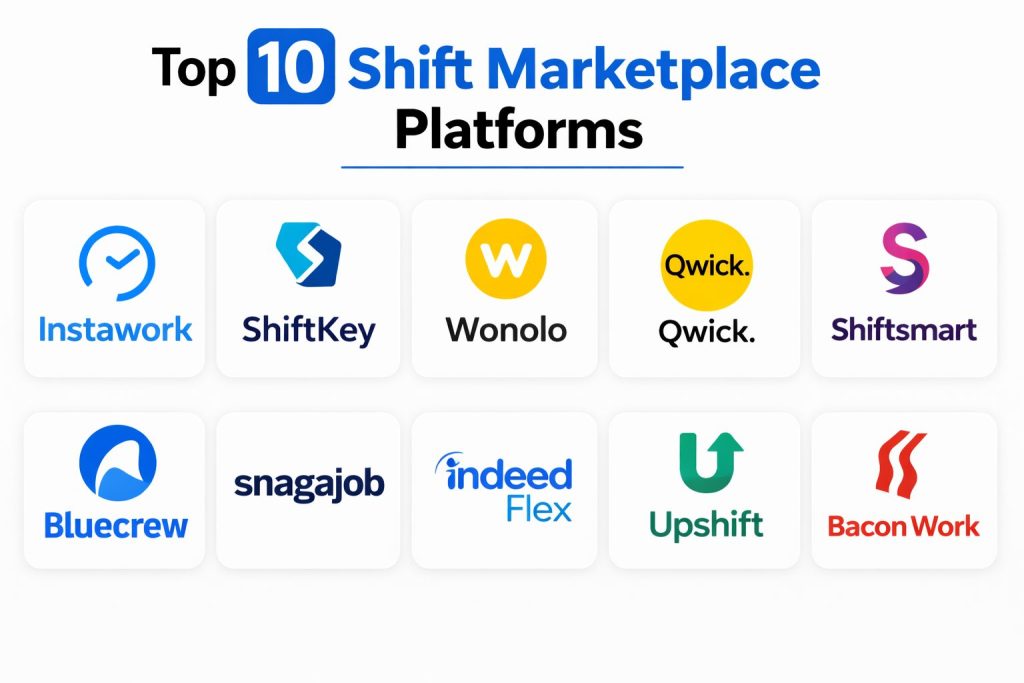
Introduction
Shift marketplace platforms represent the modern evolution of contingent labor management, functioning as high-velocity digital bridges between understaffed businesses and a flexible workforce. These platforms utilize sophisticated matching algorithms to solve the age-old problem of labor volatility, allowing managers to fill vacancies in minutes rather than days. From an operational perspective, they mitigate the high costs of traditional staffing agencies while providing real-time visibility into worker reliability and credentials. For the modern enterprise, these marketplaces are no longer just a backup plan for emergencies; they are a strategic tool for scaling labor up or down in response to fluctuating consumer demand, seasonal peaks, and unforeseen absences.
The necessity of these tools has intensified as the global workforce shifts toward a preference for autonomy and immediate compensation. Organizations in hospitality, healthcare, and logistics increasingly rely on these ecosystems to maintain service levels without the administrative burden of permanent overhead. When selecting a platform, decision-makers must evaluate the depth of worker vetting, the speed of shift fulfillment, and the robustness of integrated payment systems. Furthermore, the ability of a platform to manage localized tax compliance and labor laws is a critical factor for long-term risk management. A well-chosen marketplace does more than just provide “bodies in seats”—it builds a reliable, on-demand community of skilled professionals that can be activated at the touch of a button.
Best for: Operations managers in hospitality, nursing home administrators, warehouse logistics coordinators, and retail district managers who require immediate, vetted labor solutions to maintain operational continuity.
Not ideal for: Long-term executive recruitment, permanent salaried placements, or specialized technical roles requiring extensive multi-week onboarding and proprietary software training.
Key Trends in Shift Marketplace Platforms
The integration of artificial intelligence for predictive staffing is the most significant trend currently reshaping the industry. These systems can now analyze historical sales data and local event calendars to suggest optimal shift postings before a shortage even occurs. We are also seeing a major move toward “next-day pay” or even “instant pay” features, which have become a primary driver for worker retention and shift fulfillment rates. Portable benefits are another emerging frontier, with platforms offering independent contractors access to subsidized health insurance and retirement plans to build a more sustainable and loyal gig economy.
Workforce management is also becoming increasingly localized, with “hyper-local” matching ensuring that workers are within a minimal commute radius, significantly reducing the rate of last-minute cancellations. Additionally, there is a massive push for cross-platform credentialing. This allows a worker’s verified certifications—such as food safety or nursing licenses—to be recognized instantly across different marketplace ecosystems, reducing the friction of onboarding. Finally, the rise of “digital twin” simulations for labor allows enterprises to stress-test their staffing models against various scenarios, ensuring they are prepared for everything from holiday surges to sudden supply chain disruptions.
How We Selected These Tools
Our evaluation process for these platforms was rooted in three primary pillars: fill rate, worker quality, and administrative transparency. We prioritized platforms that consistently achieve a high percentage of successful shift completions, especially in high-pressure urban markets. Worker quality was assessed by examining the vetting processes of each platform, including background checks, skill assessments, and the robustness of the mutual rating systems. We looked for software that provides businesses with clear, granular data on worker performance history rather than just a simple “pass/fail” metric.
The technical infrastructure of the platforms was also a deciding factor. We favored tools that offer seamless mobile experiences for both managers and workers, as the speed of shift pickup is often determined by the quality of the app interface. Compliance and financial security were non-negotiable; we only included platforms that demonstrate a rigorous approach to tax reporting, insurance coverage, and data protection. Finally, we considered the breadth of industry specialization, ensuring that the list covers general labor marketplaces as well as those focused on high-skill sectors like healthcare and specialized hospitality.
1. Instawork
Instawork is a leading on-demand staffing platform that connects businesses with a massive network of local professionals. It is particularly strong in the hospitality, warehouse, and events sectors. The platform uses data-driven insights to match workers based on their experience and reliability ratings, ensuring that businesses get consistent quality.
Key Features
The platform features an AI-powered matching engine that prioritizes the most reliable “Pros” for your specific shifts. It includes a comprehensive dashboard for tracking time, managing payroll, and rating workers immediately after their shift. Businesses can create “Top Pro” lists to invite their favorite workers back for future shifts. It also offers a specialized system for verifying certifications like food handler permits and heavy machinery licenses. Automated notifications and reminders are sent to workers to significantly reduce the risk of no-shows.
Pros
The platform boasts an exceptionally high shift fulfillment rate and a very large, diverse pool of workers. The interface is highly intuitive for both desktop and mobile users.
Cons
The service fees can be higher than some local competitors. The onboarding process for businesses can be slightly more rigorous due to high compliance standards.
Platforms and Deployment
Web, iOS, and Android. It is a cloud-native platform designed for real-time mobile management.
Security and Compliance
The platform handles all 1099 tax filings and provides occupational accident insurance for workers. It follows strict data privacy protocols for all user information.
Integrations and Ecosystem
It integrates with various workforce management tools and payroll providers, allowing for a consolidated view of labor costs and attendance.
Support and Community
Offers 24/7 dedicated support for businesses and a robust help center with extensive resources for optimizing shift postings.
2. ShiftKey
ShiftKey is a specialized marketplace designed specifically for the healthcare industry. It connects nursing facilities and hospitals with independent healthcare professionals like RNs, LPNs, and CNAs. It is built to help facilities manage census fluctuations and staffing shortages without the high costs of traditional travel nursing agencies.
Key Features
The platform allows facilities to post open shifts and receive bids from qualified healthcare providers in their area. It includes an automated credential management system that ensures every provider has up-to-date licenses and vaccinations. Its digital timecard system uses GPS verification to ensure accuracy. Facilities can review provider profiles and ratings before accepting a bid. It also features a specialized scheduling tool that helps facilities plan their labor needs weeks in advance.
Pros
It is highly effective at filling last-minute nursing shortages with local talent. The bidding system provides facilities with transparency and control over their labor spend.
Cons
The platform is niche and not suitable for non-healthcare roles. The bidding process can sometimes lead to fluctuating costs depending on local demand.
Platforms and Deployment
Web-based portal for facilities and a mobile app for healthcare providers.
Security and Compliance
Fully HIPAA compliant and includes rigorous verification of professional medical licenses. It manages all aspects of contractor compliance and reporting.
Integrations and Ecosystem
Integrates with various healthcare management systems and EHR platforms to streamline the administrative side of staffing.
Support and Community
Provides specialized support for healthcare administrators and has a dedicated team focused on clinical compliance and credentialing.
3. Wonolo
Wonolo stands for “Work Now Locally” and is a high-volume marketplace for the light industrial and warehousing sectors. It is designed for speed, allowing businesses to post shifts and have them filled by local workers in a matter of minutes.
Key Features
The platform emphasizes a “speed to fill” model, making it ideal for high-volume needs in distribution centers and manufacturing plants. It uses a ranking system that rewards reliable workers with earlier access to high-paying shifts. It includes a simple check-in system where workers use the app to verify their arrival on-site. Businesses can set specific requirements for clothing and safety gear within the job post. The platform also handles all payment processing and provides a clear audit trail for all labor transactions.
Pros
It is incredibly fast for filling large numbers of general labor positions. The “Wonoloer” community is massive and very active in metropolitan areas.
Cons
Worker quality can vary more than on specialized platforms, requiring businesses to be diligent with ratings. It is less suited for highly skilled or technical roles.
Platforms and Deployment
Mobile-first platform for workers with a robust web interface for business managers.
Security and Compliance
Provides basic occupational insurance and handles 1099 processing. It uses standard encryption for all financial transactions.
Integrations and Ecosystem
Offers API access for enterprise customers to sync shift data with their internal logistics and HR systems.
Support and Community
Offers tiered support based on account size, with dedicated account managers available for enterprise-level clients.
4. Qwick
Qwick is the premium marketplace for the food and beverage industry. It focuses on providing experienced hospitality professionals like bartenders, banquet servers, and line cooks for hotels, restaurants, and event venues.
Key Features
Every worker on the platform is required to have at least one year of relevant experience and must pass a specialized vetting call. The platform allows businesses to post shifts for very specific roles, such as specialized mixologists or fine-dining servers. It features an “instant pay” option for workers, which helps attract the highest quality talent. The app includes a messaging feature for direct communication between the venue and the worker. It also provides detailed analytics on staffing costs and fill rates for the business.
Pros
The quality of talent is significantly higher than general labor platforms. It is the go-to choice for high-end events and luxury hospitality brands.
Cons
It has a more limited geographic reach than larger platforms like Instawork. The niche focus means it cannot be used for non-hospitality needs.
Platforms and Deployment
Mobile apps for both business and talent, optimized for fast, on-the-go communication.
Security and Compliance
Verifies all necessary hospitality certifications and handles all payment-related tax documentation. It ensures all workers are covered under appropriate liability insurance.
Integrations and Ecosystem
Integrates with major hospitality management platforms and provides data exports for accounting software.
Support and Community
Highly responsive text-based support team that understands the unique pressures of the hospitality industry.
5. Shiftsmart
Shiftsmart is a global marketplace that handles a wide range of shift types, from retail and hospitality to remote micro-tasking and auditing. It is known for its ability to manage large-scale, national contracts for major global brands.
Key Features
The platform offers a global marketplace that allows businesses to scale their workforce across multiple countries. It features a unique “micro-task” system where workers can perform small, specific jobs like in-store merchandising audits. It includes a robust communication hub for broadcasting instructions to thousands of workers simultaneously. The platform provides real-time data on shift completion and task accuracy. It also features a flexible pay system that allows for various types of compensation models based on the task.
Pros
It is the most capable platform for managing massive, geographically dispersed workforces. The diversity of job types makes it a versatile tool for large corporations.
Cons
The interface can be more complex due to the sheer volume of features. It may feel “over-engineered” for small, local businesses with simple needs.
Platforms and Deployment
Global cloud deployment with mobile apps tailored for diverse work environments.
Security and Compliance
Adheres to international labor standards and handles complex, multi-region tax compliance and data protection.
Integrations and Ecosystem
Designed to integrate with enterprise-level ERP and HRIS systems for a unified global workforce strategy.
Support and Community
Enterprise-grade support with dedicated project teams for large-scale deployments and audits.
6. Bluecrew
Bluecrew distinguishes itself by utilizing a W-2 employment model rather than the standard 1099 contractor model. This means that every worker on the platform is a legal employee of Bluecrew, which simplifies compliance and liability for the businesses that hire them.
Key Features
The W-2 model covers all payroll taxes, workers’ compensation, and unemployment insurance, significantly reducing the administrative burden on the client. The platform focuses heavily on warehouse, logistics, and hospitality roles. It includes a dedicated manager portal for tracking worker attendance and performance. The app features a robust “standby” system to ensure that back-up workers are available if the primary worker cancels. It also offers tools for managing recurring schedules and long-term placements.
Pros
The W-2 model provides much higher legal protection and lower compliance risk for businesses. It leads to higher worker loyalty and more consistent performance.
Cons
The cost per hour is often higher due to the inclusion of employment taxes and benefits. The selection of workers may be smaller than on 1099 platforms in certain regions.
Platforms and Deployment
Mobile and web-based platforms designed for seamless workforce management.
Security and Compliance
Handles all aspects of employment law compliance, including I-9 verification and background checks. It is the gold standard for businesses with strict labor requirements.
Integrations and Ecosystem
Connects easily with major payroll and HR software, providing clean data for financial reporting.
Support and Community
Provides comprehensive support for both employers and their temporary workforce, acting as a full-service HR partner.
7. Snagajob
Snagajob is one of the most established names in the hourly work space, offering both a traditional job board and an on-demand shift marketplace. It serves millions of hourly workers across retail, food service, and hospitality.
Key Features
The platform features a massive database of hourly job seekers, allowing businesses to cast a very wide net. It includes a “direct to hire” feature for businesses that want to convert temporary shift workers into permanent employees. The shift marketplace allows for rapid posting of single or recurring shifts. It features an automated screening tool that filters candidates based on their availability and previous experience. The app also includes a simple video-interview feature for more specialized roles.
Pros
The sheer volume of users ensures that posts get high visibility. It is a very well-known brand, which helps attract a steady stream of new talent.
Cons
The platform can sometimes feel cluttered with too many different types of job postings. The quality of applicants can vary widely, requiring more effort in the screening process.
Platforms and Deployment
Web and mobile platforms with a heavy focus on high-volume applicant tracking.
Security and Compliance
Standard industry compliance for data protection and financial transactions. It offers tools to help businesses stay compliant with local labor laws.
Integrations and Ecosystem
Integrates with a vast array of applicant tracking systems (ATS) and payroll providers common in the retail and food industries.
Support and Community
Extensive online resources and dedicated support for large retail and restaurant chains.
8. Indeed Flex
Indeed Flex is the on-demand staffing arm of the global job giant Indeed. It combines a tech-forward marketplace with the massive reach and data of the world’s largest job site, focusing primarily on hospitality and retail.
Key Features
The platform uses Indeed’s internal data to verify worker history and reliability. It features a “Flex” app where workers can view and accept shifts instantly. For businesses, it offers a sophisticated dashboard that provides real-time visibility into staffing costs and fill rates. It includes a specialized system for managing “verified” workers who have passed specific skill assessments. The platform also offers a “pool” feature where businesses can build their own private group of preferred temporary staff.
Pros
It benefits from the massive scale and reliability of the Indeed ecosystem. The “preferred worker” features allow for much better consistency than random shift filling.
Cons
As a larger corporate entity, the platform can sometimes feel less personal than smaller, niche competitors. Pricing is often geared toward mid-market and enterprise clients.
Platforms and Deployment
Global mobile and web infrastructure, leveraging Indeed’s massive server capacity for high reliability.
Security and Compliance
High-level enterprise security protocols and full compliance with international data and labor regulations.
Integrations and Ecosystem
Deeply integrated with the Indeed for Employers suite, making it a natural choice for existing Indeed users.
Support and Community
Enterprise-level support teams and a large community of active job seekers across all major markets.
9. Upshift
Upshift focuses on quality and reliability through a rigorous, in-person vetting process. They claim to accept only a small percentage of people who apply to be “Upshifters,” resulting in much higher reliability and lower “no-show” rates.
Key Features
The platform’s standout feature is its selective onboarding, which includes in-person interviews and background checks for every worker. It focuses on administrative, hospitality, and light industrial roles. The interface for businesses is remarkably clean, focusing on one-click shift posting and easy timecard approval. It features a “success rate” metric for every worker, making it clear who is most likely to show up and perform well. The platform also manages all insurance and tax documentation for the workers.
Pros
Significantly higher reliability and lower turnover than most “open” marketplaces. The high barrier to entry for workers leads to a more professional environment.
Cons
The strict vetting process means the pool of workers might be smaller in newer markets. It can take longer to scale up for massive, high-volume needs.
Platforms and Deployment
Web and mobile apps that prioritize clarity and ease of use over complex features.
Security and Compliance
Handles all background checks and liability insurance internally. It provides a highly secure environment for both worker data and financial transactions.
Integrations and Ecosystem
Provides straightforward data exports for accounting and payroll, fitting easily into most business workflows.
Support and Community
Offers personalized support and a community of high-performing workers who take pride in their “Upshifter” status.
10. Bacon Work
Bacon Work is a rapidly growing marketplace that prides itself on simplicity and accessibility. It is designed to be the easiest “pick-up-and-go” platform for small businesses and workers who need immediate flexibility.
Key Features
The platform features a very straightforward “Post a Job, Get a Worker” workflow that takes seconds to complete. It is popular in the events, retail, and warehouse sectors. The app includes a simple rating system that helps build a community of trust. Workers can see exactly how much they will earn before they accept a shift. It also features a “favorite” system where businesses can invite specific workers back directly. The platform handles all payment processing, ensuring workers are paid quickly and businesses have a clear record of spend.
Pros
It is one of the most user-friendly platforms on the market, requiring almost no training to use. It is ideal for small businesses that don’t need complex enterprise features.
Cons
It lacks the deep data analytics and integration capabilities of larger platforms like Shiftsmart or Indeed Flex. The vetting is primarily community-driven rather than in-person.
Platforms and Deployment
Lightweight mobile apps designed for fast, high-frequency use.
Security and Compliance
Standard financial security and 1099 reporting. It focuses on keeping the legal side of staffing as simple as possible for small businesses.
Integrations and Ecosystem
Operates primarily as a standalone tool, though it provides the necessary data for manual entry into payroll systems.
Support and Community
Very active and responsive social media-based support and a growing community of local workers who value the app’s simplicity.
Comparison Table
| Tool Name | Best For | Platform(s) Supported | Deployment | Standout Feature | Public Rating |
| 1. Instawork | Local Professional Labor | Win, Mac, iOS, Android | Cloud | AI Matching Engine | 4.7/5 |
| 2. ShiftKey | Healthcare & Nursing | Web, iOS, Android | Cloud | Credential Automation | 4.6/5 |
| 3. Wonolo | High-Volume Industrial | Web, iOS, Android | Cloud | Speed-to-Fill Model | 4.4/5 |
| 4. Qwick | Hospitality Specialists | Web, iOS, Android | Cloud | Instant Pay System | 4.8/5 |
| 5. Shiftsmart | Global Enterprise Ops | Web, iOS, Android | Cloud | Global Scale & Audits | 4.5/5 |
| 6. Bluecrew | W-2 Compliance | Web, iOS, Android | Cloud | Full W-2 Employer Model | 4.6/5 |
| 7. Snagajob | Hourly Retail Reach | Web, iOS, Android | Cloud | Huge Worker Database | 4.2/5 |
| 8. Indeed Flex | Data-Driven Staffing | Web, iOS, Android | Cloud | Preferred Worker Pools | 4.5/5 |
| 9. Upshift | High-Reliability Needs | Web, iOS, Android | Cloud | In-Person Vetting | 4.9/5 |
| 10. Bacon Work | Small Business Ease | Web, iOS, Android | Cloud | Simplified Workflow | 4.1/5 |
Evaluation & Scoring of Shift Marketplace Platforms
The scoring below is a comparative model intended to help shortlisting. Each criterion is scored from 1–10, then a weighted total from 0–10 is calculated using the weights listed. These are analyst estimates based on typical fit and common workflow requirements, not public ratings.
Weights:
- Core features – 25%
- Ease of use – 15%
- Integrations & ecosystem – 15%
- Security & compliance – 10%
- Performance & reliability – 10%
- Support & community – 10%
- Price / value – 15%
| Tool Name | Core (25%) | Ease (15%) | Integrations (15%) | Security (10%) | Performance (10%) | Support (10%) | Value (15%) | Weighted Total |
| 1. Instawork | 10 | 9 | 8 | 9 | 10 | 9 | 8 | 9.05 |
| 2. ShiftKey | 10 | 7 | 8 | 10 | 9 | 9 | 7 | 8.60 |
| 3. Wonolo | 8 | 10 | 7 | 8 | 10 | 8 | 9 | 8.55 |
| 4. Qwick | 10 | 9 | 7 | 9 | 9 | 10 | 7 | 8.75 |
| 5. Shiftsmart | 9 | 6 | 10 | 10 | 8 | 9 | 8 | 8.55 |
| 6. Bluecrew | 9 | 8 | 9 | 10 | 9 | 9 | 6 | 8.45 |
| 7. Snagajob | 7 | 8 | 9 | 8 | 7 | 8 | 10 | 8.00 |
| 8. Indeed Flex | 9 | 7 | 10 | 10 | 9 | 8 | 7 | 8.60 |
| 9. Upshift | 10 | 9 | 6 | 9 | 8 | 9 | 8 | 8.55 |
| 10. Bacon Work | 6 | 10 | 5 | 7 | 9 | 8 | 10 | 7.55 |
How to interpret the scores:
- Use the weighted total to shortlist candidates, then validate with a pilot.
- A lower score can mean specialization, not weakness.
- Security and compliance scores reflect controllability and governance fit, because certifications are often not publicly stated.
- Actual outcomes vary with assembly size, team skills, templates, and process maturity.
Which Shift Marketplace Platform Tool Is Right for You?
Solo / Freelancer
For individual workers, the best choice is often a platform with the most diverse job types and the fastest payout options. This ensures a steady stream of income and the ability to work in different industries to build a broad skill set.
SMB
Small and medium businesses should prioritize ease of use and worker reliability. A platform that requires minimal setup and provides high-quality, pre-vetted talent will allow a small team to focus on their core operations rather than managing a complex staffing process.
Mid-Market
In the mid-market, the ability to build “preferred pools” of workers becomes vital. Choosing a platform that allows you to identify and retain your favorite temporary staff will ensure consistency in service as your business grows.
Enterprise
For large organizations, global reach and deep technical integration are the primary concerns. The software must be able to scale across multiple locations and integrate seamlessly with existing enterprise HR and payroll systems to ensure data accuracy and compliance.
Budget vs Premium
Budget-oriented users will find great value in high-volume, community-driven marketplaces. Premium options, while charging higher fees, offer the in-person vetting and high-end talent that are necessary for luxury brands and high-stakes events.
Feature Depth vs Ease of Use
If your operation requires complex scheduling, demand forecasting, and multi-region audits, feature depth is non-negotiable. However, if you just need to fill a few gaps in a retail schedule, a simpler, more intuitive app will save you time and frustration.
Integrations & Scalability
A marketplace is most effective when it is part of a larger, automated workflow. Ensure your chosen platform can talk to your time-tracking and payroll software to avoid the need for manual data entry and the risk of human error.
Security & Compliance Needs
Never overlook the legal side of staffing. If you operate in a highly regulated industry or have strict internal labor policies, prioritizing a platform with robust compliance features and high-level data security is essential to protecting your organization.
Frequently Asked Questions (FAQs)
1. How do shift marketplaces verify worker experience?
Most platforms use a combination of digital background checks, reference calls, and community-driven rating systems. Specialized platforms often require in-person or video interviews and the upload of professional certifications which are then verified with the issuing body.
2. Are workers on these platforms employees or contractors?
The majority of platforms use a 1099 independent contractor model. However, some platforms operate as a W-2 employer of record, meaning they handle all taxes and benefits, which can change the legal and financial dynamics for the hiring business.
3. How quickly can a shift be filled?
In major urban areas, common shifts can be filled in as little as 15 to 30 minutes. However, more specialized roles or shifts in remote locations may take several hours or even a day to find a qualified and available match.
4. What happens if a worker doesn’t show up?
Most platforms have a “no-show” policy that penalizes the worker’s rating or suspends their account. Businesses are usually not charged for the shift, and many platforms have automated standby systems to find a replacement as quickly as possible.
5. Can I hire a shift worker for a full-time role?
Yes, many platforms encourage “direct to hire” and provide specialized tools to help facilitate this transition. This is a common way for businesses to “test drive” potential employees before making a long-term commitment.
6. Do I need to provide insurance for these workers?
In most 1099 models, the platform provides basic occupational accident insurance. However, businesses should always check the specific terms of the platform and ensure their own general liability insurance covers temporary labor on their premises.
7. Is there a minimum number of shifts I must post?
Most marketplaces are highly flexible and have no minimum posting requirements. You can use them for a single four-hour shift or to manage an entire team of 50 people on a daily basis.
8. How are the pay rates determined?
Platforms usually suggest a market-competitive rate based on the job type and location. However, businesses generally have the final say and can offer higher rates to attract talent more quickly or for shifts with unsociable hours.
9. Can I block specific workers from seeing my shifts?
Yes, almost all platforms include a “blocking” or “do not return” feature. This ensures that if a worker does not meet your standards, they will never be matched with your business again.
10. Do these platforms work in rural areas?
While the largest pools of talent are in major cities, many platforms are expanding their reach. However, fill rates in rural areas are generally lower, and it may take longer to find a match compared to a dense urban center.
Conclusion
The transition toward on-demand shift marketplaces is a fundamental shift in how the global economy approaches labor. By embracing these platforms, organizations can move from a rigid, high-overhead staffing model to a dynamic, scalable strategy that responds in real-time to the needs of the market. The key to success lies in choosing a platform that aligns with your specific industry requirements, whether that means the rigorous compliance of healthcare staffing or the high-volume speed of logistics. As AI continues to refine matching accuracy and worker benefits become more portable, these marketplaces will only become more integrated into the core operations of successful businesses worldwide.