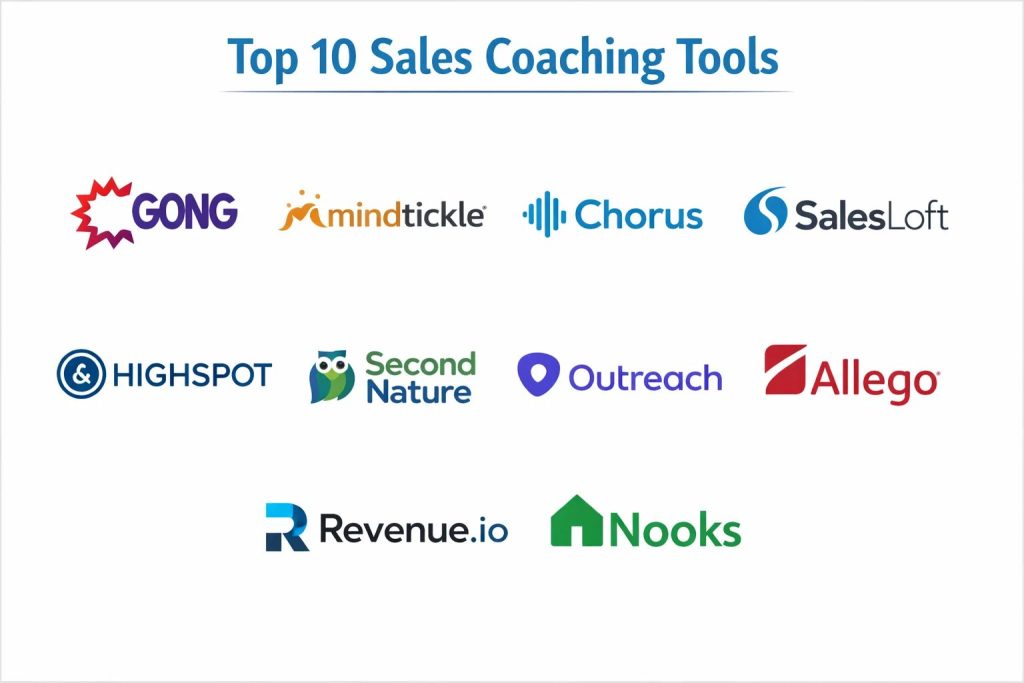
Introduction
Sales coaching tools have evolved into sophisticated intelligence platforms that bridge the gap between raw data and actionable behavioral change. These technologies leverage advanced algorithms to analyze every customer touchpoint, from video calls to email exchanges, providing managers with a microscopic view of rep performance. By identifying specific linguistic patterns, objection-handling techniques, and sentiment shifts, these platforms allow for a level of personalized mentorship that was previously impossible to achieve at scale. For modern revenue organizations, this means transitioning from generic monthly reviews to a continuous cycle of data-driven improvement.
The strategic necessity of these tools is underscored by the shift toward remote and hybrid selling environments, where managers can no longer rely on floor-walking to overhear conversations. Today’s leaders require objective evidence to understand why certain deals stall while others accelerate. Integrating a dedicated coaching solution helps standardize the “gold standard” of selling across an entire team, ensuring that every representative—regardless of their location or tenure—has access to the same high-quality feedback loop. When evaluating these platforms, decision-makers must look beyond basic recording features and prioritize deep integration with existing CRM systems and the ability to correlate coaching activities directly with revenue outcomes.
Best for: High-growth sales departments, enterprise revenue operations, and sales enablement teams seeking to automate feedback loops and improve win rates through behavioral science.
Not ideal for: Sole practitioners who do not have a team to coach, or organizations that lack a structured sales process. If the primary need is simple administrative tracking without a focus on skill development, a basic CRM may suffice.
Key Trends in Sales Coaching Tools
The integration of Generative AI has fundamentally transformed the coaching landscape, allowing for the creation of hyper-realistic role-play simulations where reps can practice with adaptive buyer personas. Another major trend is the move toward “real-time guidance,” where AI assistants provide live talk-track suggestions and objection-handling tips during actual customer calls. This shift from retrospective analysis to proactive intervention is drastically reducing the margin for error in high-stakes negotiations.
Data consolidation is also a dominant theme, with platforms now unifying conversation intelligence, learning management, and content enablement into a single “Revenue Intelligence” hub. This holistic view allows managers to see the direct relationship between a rep’s training completion and their actual performance in the field. Furthermore, there is an increasing focus on emotional intelligence (EQ) metrics, with software now capable of measuring vocal tone, pacing, and empathy levels to ensure that sellers are building genuine rapport with their prospects.
How We Selected These Tools
Our selection process focused on identifying platforms that offer more than just simple call recording. We prioritized tools that demonstrate a clear “coaching-first” philosophy, featuring structured workflows for manager feedback, peer-to-peer learning capabilities, and automated skill-gap analysis. Each tool was evaluated based on its ability to handle complex enterprise requirements, including data security, multi-language support, and the robustness of its mobile application for on-the-go learning.
Market adoption and user sentiment played a significant role in our rankings, as the effectiveness of a coaching tool is directly tied to how easily reps and managers can adopt it into their daily rhythm. We also scrutinized the depth of the AI insights provided—favoring tools that offer specific, actionable recommendations over those that merely provide generic summaries. Finally, the ability for these tools to scale from small pilot teams to global organizations was a critical factor in determining their inclusion in this definitive list.
1. Gong
Gong is widely regarded as the pioneer of the revenue intelligence category, offering deep visibility into customer interactions across phone, email, and web conferencing. It uses sophisticated AI to parse conversations for buyer signals and deal risks, providing managers with an objective record of what is actually happening in the field.
Key Features
The platform features automated transcription and analysis that highlights key moments such as pricing discussions or competitor mentions. It includes “Deal Boards” that visualize the health of every opportunity in the pipeline based on engagement data. Managers can use “Smart Trackers” to monitor the adoption of new messaging or sales plays. The software also provides individual rep benchmarks, comparing their talk-to-listen ratios and question rates against top performers. Its integration with major CRM systems ensures that all insights are synced with account records.
Pros
It provides the most comprehensive data set for analyzing the entire sales cycle and predicting revenue outcomes. The interface is highly intuitive, making it easy for managers to jump directly to coachable moments.
Cons
The pricing is among the highest in the market and is typically not transparent until the late stages of a sales cycle. It requires a high volume of data to unlock the full potential of its predictive AI.
Platforms and Deployment
Web-based (Cloud) with a robust mobile application for iOS and Android.
Security and Compliance
SOC 2 Type II compliant, GDPR ready, and offers advanced data masking for sensitive information.
Integrations and Ecosystem
Deep integrations with Salesforce, HubSpot, Microsoft Dynamics, Slack, and all major video conferencing tools.
Support and Community
Offers an extensive “Gong Academy” for user training and a highly active community of revenue professionals.
2. Mindtickle
Mindtickle is a heavyweight in the sales readiness space, focusing intensely on onboarding, continuous training, and skill certification. It is designed to ensure that every rep is fully prepared before they ever speak to a prospect.
Key Features
The platform offers structured onboarding paths that combine video lessons, quizzes, and role-play exercises. It features an AI-powered “Mission” tool where reps can record themselves practicing pitches and receive automated feedback on their delivery. Its “Sales Coaching” module allows managers to create custom scorecards and track rep progress over time. The system also includes gamified leaderboards to drive engagement with training content. Additionally, it provides a centralized repository for sales collateral, ensuring reps always have the right content at hand.
Pros
It is the most powerful tool for ensuring team-wide consistency and certification across complex product lines. The gamification elements significantly improve training completion rates.
Cons
The setup process can be time-consuming due to the depth of customization available. It may feel overly structured for smaller teams that prefer a more informal coaching style.
Platforms and Deployment
Cloud-based SaaS.
Security and Compliance
Enterprise-grade security including ISO 27001, SOC 2, and HIPAA compliance.
Integrations and Ecosystem
Integrates with major CRMs, LMS platforms, and content management systems like Highspot and Seismic.
Support and Community
Provides dedicated success managers for enterprise clients and a wealth of best-practice resources.
3. Chorus by ZoomInfo
Chorus, now part of the ZoomInfo ecosystem, specializes in conversation intelligence with a strong emphasis on uncovering buyer intent and competitor insights. It is particularly effective for teams that want to tie coaching directly to market intelligence.
Key Features
The software automatically identifies “Coachable Moments” within calls and organizes them into a searchable library. It features a unique “Competitor Tracker” that alerts managers whenever a specific rival is mentioned in a conversation. Reps can use the “Snippet” tool to share successful talk tracks with their peers instantly. The platform also provides detailed sentiment analysis to help teams understand the emotional state of their buyers. Because it is owned by ZoomInfo, it can enrich call data with deep firmographic and contact information.
Pros
The integration with ZoomInfo’s data cloud provides a level of prospect context that other tools cannot match. It offers very strong search functionality for finding specific topics across thousands of hours of recordings.
Cons
Some users find the transcription accuracy to be slightly lower than competitors in very technical industries. The user interface is functional but lacks some of the polish of more modern competitors.
Platforms and Deployment
Cloud-based with mobile access.
Security and Compliance
Compliant with GDPR and SOC 2 standards; offers robust encryption for all stored recordings.
Integrations and Ecosystem
Seamlessly integrated with the ZoomInfo suite, Salesforce, HubSpot, and Slack.
Support and Community
Strong customer support and an extensive knowledge base for self-service troubleshooting.
4. Salesloft
Salesloft is a comprehensive sales engagement platform that treats coaching as an integrated part of the daily outreach workflow. It is built to help managers optimize the execution of sales cadences in real-time.
Key Features
The “Conversations” module provides full recording and transcription of meetings with integrated coaching scorecards. It features “Deals” which gives managers a prioritized view of which opportunities need their attention based on recent activity. The platform includes a unified “Coaching Dashboard” that tracks rep activity metrics alongside their conversation performance. Its “Cadence” tool allows for the standardization of multi-channel outreach strategies. It also offers “Rhythm,” an AI engine that suggests the best next action for a rep to take on any given lead.
Pros
It eliminates the need for separate engagement and coaching tools, creating a more streamlined workflow for the rep. The platform is exceptionally strong for SDR and BDR teams focused on high-volume outbound.
Cons
While it covers many areas, its conversation intelligence may not be as deep as specialized standalone platforms. It is heavily optimized for certain CRM environments, which can limit flexibility for some users.
Platforms and Deployment
Cloud-based SaaS.
Security and Compliance
Privacy Shield certified, GDPR compliant, and SOC 2 Type II certified.
Integrations and Ecosystem
Strongest with Salesforce, but also supports Microsoft Dynamics and various communication tools.
Support and Community
Excellent onboarding services and a large user community with frequent regional events.
5. Allego
Allego provides a unified platform for sales enablement, learning, and coaching, with a unique focus on peer-to-peer knowledge sharing and mobile-first video feedback.
Key Features
The platform excels at “Agile Learning,” allowing reps to record short video tips that can be shared instantly across the team. It features AI-driven role-play scenarios that use natural language processing to grade rep performance. Its conversation intelligence tool provides detailed analytics on call dynamics and keyword usage. The “Digital Sales Rooms” allow reps to create personalized landing pages for buyers, which managers can then review for coaching purposes. It also includes spaced-repetition quizzes to ensure long-term knowledge retention of product features.
Pros
The mobile-first design makes it the best choice for field sales teams that are rarely at a desk. The focus on peer learning creates a more collaborative coaching culture.
Cons
The interface can feel a bit fragmented because it tries to cover many different functions. Content management features may require significant administrative effort to keep organized.
Platforms and Deployment
Cloud-based with a highly rated mobile app.
Security and Compliance
Meets high enterprise standards, including SOC 2 and GDPR compliance.
Integrations and Ecosystem
Integrates with major CRMs and content repositories like SharePoint and Google Drive.
Support and Community
Provides extensive training through “Allego University” and proactive customer success engagement.
6. Highspot
Highspot is primarily a sales enablement and content management leader, but it has expanded deeply into coaching to provide a “closed-loop” system between training, content, and performance.
Key Features
The software uses “Sales Plays” to provide reps with just-in-time coaching and content recommendations based on the deal stage. It features integrated training and coaching modules that are directly linked to specific pieces of sales collateral. Managers can track how well reps are using approved messaging through its conversation intelligence features. The platform also provides “Buyer Engagement” analytics, showing which content actually moves the needle in a deal. Its AI-powered “Search” ensures that reps can find the right coaching resource in seconds.
Pros
It is the best platform for aligning coaching with marketing content strategy. The analytics provide a very clear picture of the ROI of both coaching and content.
Cons
The platform can be complex to manage, often requiring a dedicated enablement lead. It is more focused on the “enablement” side of coaching than the purely behavioral side.
Platforms and Deployment
Cloud-based SaaS.
Security and Compliance
ISO 27001 and SOC 2 Type II certified; highly secure for regulated industries.
Integrations and Ecosystem
Excellent integrations with Salesforce, Microsoft 365, and Slack.
Support and Community
Strong professional services team and a well-regarded annual user conference.
7. Second Nature
Second Nature is a specialized AI coaching tool that focuses almost exclusively on “AI Role Play,” providing a safe environment for reps to practice their skills at any time.
Key Features
The platform features “Jenny,” an AI buyer persona that can hold a natural, two-way conversation with a sales rep. It provides instant scoring and feedback after every practice session, highlighting areas for improvement. Managers can create custom role-play scenarios for everything from discovery calls to difficult price negotiations. The software tracks “Skill Mastery” over time, allowing leaders to see who is ready for the field. It also identifies common team-wide weaknesses, enabling targeted training interventions.
Pros
It provides truly scalable coaching, as reps can practice as much as they want without needing a manager’s time. The AI feedback is remarkably consistent and objective.
Cons
It is a point solution, meaning it must be paired with other tools for call recording or CRM management. The AI interactions, while advanced, still cannot perfectly replicate the unpredictability of a human buyer.
Platforms and Deployment
Web-based (Cloud).
Security and Compliance
GDPR compliant and SOC 2 certified.
Integrations and Ecosystem
Integrates with Salesforce and major LMS platforms to trigger practice sessions.
Support and Community
Supportive customer success team focused on scenario design and implementation.
8. Outreach (Kaia)
Outreach Kaia is the conversation intelligence component of the Outreach sales execution platform, designed to provide real-time assistance during live meetings.
Key Features
Kaia provides live transcription during meetings and automatically surfaces “Content Cards” with talking points when keywords are detected. It takes automated meeting notes and highlights action items for both the rep and the buyer. Managers can use the post-call analysis to review how well reps followed the prescribed sales process. The platform features “Team Performance” dashboards that correlate call behaviors with pipeline velocity. It also offers a “Library” where top-performing calls can be saved and tagged for onboarding.
Pros
The real-time assistant is a game-changer for reps who need immediate support during complex calls. It integrates perfectly with the broader Outreach platform for a unified execution experience.
Cons
It is primarily available to users of the broader Outreach ecosystem, which may be a limitation for some. The real-time features require a high-speed, stable internet connection to function smoothly.
Platforms and Deployment
Cloud-based SaaS.
Security and Compliance
Maintains rigorous security certifications including SOC 2 and GDPR.
Integrations and Ecosystem
Deeply integrated with Salesforce and the rest of the Outreach platform.
Support and Community
Provides extensive documentation and a strong support network for enterprise users.
9. Revenue.io
Revenue.io is a highly specialized platform built for the Salesforce ecosystem, offering real-time coaching and guidance directly within the CRM environment.
Key Features
The platform features “Live Coaching,” allowing managers to listen in on calls and send private text guidance to reps without the buyer hearing. It uses AI to provide “Real-Time Battlecards” and suggestions during live conversations. Its conversation intelligence tool provides deep analytics on call quality and outcome correlation. The software also includes “Automated QA” that can score every single call based on custom criteria. Additionally, it offers advanced forecasting and pipeline analytics that are natively built for Salesforce users.
Pros
It is the most powerful option for organizations that are fully committed to Salesforce, as it operates as a seamless extension of the CRM. The real-time coaching capabilities are among the most advanced in the industry.
Cons
The platform’s heavy reliance on Salesforce makes it less suitable for teams using other CRM systems. The interface can be complex due to the sheer number of live features.
Platforms and Deployment
Cloud-based, primarily delivered via a browser extension and CRM overlay.
Security and Compliance
Standard enterprise security including GDPR and SOC 2 compliance.
Integrations and Ecosystem
The deepest Salesforce integration on the market; also works with major telephony providers.
Support and Community
Dedicated customer success and a focus on high-touch technical support.
10. Nooks
Nooks is an emerging leader that combines a “Virtual Sales Floor” with advanced coaching and dialing tools, specifically designed for outbound SDR teams.
Key Features
The platform features a “Parallel Dialer” that allows reps to make multiple calls simultaneously while staying in a shared virtual workspace with their team. Managers can “Jump In” to any active call to provide live coaching or take over the conversation. It includes automated call recording and AI-driven transcription for post-call review. The software also features “Power Hours” where teams can collaborate and compete in real-time. Its coaching module allows for the creation of specific “Playbooks” that reps can follow during their dialing sessions.
Pros
It perfectly recreates the energy of a physical sales floor for remote teams, making coaching much more organic and immediate. It is highly optimized for the specific needs of high-velocity outbound teams.
Cons
It is a niche tool that may not be suitable for teams focused on long-cycle enterprise accounts. The virtual floor concept requires a specific cultural fit to be successful.
Platforms and Deployment
Cloud-based web application.
Security and Compliance
Adheres to standard modern security protocols for SaaS applications.
Integrations and Ecosystem
Integrates with Salesforce, HubSpot, and common sales engagement tools.
Support and Community
Very responsive support team and an active user base of outbound sales leaders.
Comparison Table
| Tool Name | Best For | Platform(s) Supported | Deployment | Standout Feature | Public Rating |
| 1. Gong | Revenue Intelligence | Web, Mobile | Cloud | Deal Risk Prediction | 4.7/5 |
| 2. Mindtickle | Sales Readiness | Web, Mobile | Cloud | Skill Certification | 4.8/5 |
| 3. Chorus | Market Intelligence | Web, Mobile | Cloud | Competitor Tracking | 4.5/5 |
| 4. Salesloft | Sales Engagement | Web, Mobile | Cloud | Unified Outreach | 4.6/5 |
| 5. Allego | Peer Learning | Web, Mobile | Cloud | Agile Video Coaching | 4.6/5 |
| 6. Highspot | Content Alignment | Web, Mobile | Cloud | Sales Playbook Integration | 4.7/5 |
| 7. Second Nature | Scalable Role Play | Web | Cloud | AI Sales Persona | 4.9/5 |
| 8. Outreach (Kaia) | Real-time Assistance | Web | Cloud | Live Content Cards | 4.5/5 |
| 9. Revenue.io | Salesforce Teams | Web, Extension | Cloud | Live Manager Overlays | 4.8/5 |
| 10. Nooks | Outbound Teams | Web | Cloud | Virtual Sales Floor | 4.7/5 |
Evaluation & Scoring of Sales Coaching Tools
The scoring below is a comparative model intended to help shortlisting. Each criterion is scored from 1–10, then a weighted total from 0–10 is calculated using the weights listed. These are analyst estimates based on typical fit and common workflow requirements, not public ratings.
Weights:
- Core features – 25%
- Ease of use – 15%
- Integrations & ecosystem – 15%
- Security & compliance – 10%
- Performance & reliability – 10%
- Support & community – 10%
- Price / value – 15%
| Tool Name | Core (25%) | Ease (15%) | Integrations (15%) | Security (10%) | Performance (10%) | Support (10%) | Value (15%) | Weighted Total |
| 1. Gong | 10 | 8 | 10 | 10 | 9 | 9 | 6 | 8.85 |
| 2. Mindtickle | 10 | 6 | 9 | 10 | 8 | 10 | 7 | 8.55 |
| 3. Chorus | 9 | 7 | 10 | 9 | 8 | 8 | 7 | 8.35 |
| 4. Salesloft | 8 | 9 | 10 | 9 | 9 | 9 | 8 | 8.75 |
| 5. Allego | 9 | 8 | 8 | 9 | 8 | 9 | 8 | 8.45 |
| 6. Highspot | 8 | 7 | 9 | 10 | 8 | 9 | 7 | 8.20 |
| 7. Second Nature | 10 | 8 | 7 | 8 | 9 | 8 | 9 | 8.55 |
| 8. Outreach | 8 | 8 | 9 | 9 | 9 | 8 | 7 | 8.25 |
| 9. Revenue.io | 9 | 6 | 10 | 9 | 9 | 9 | 7 | 8.50 |
| 10. Nooks | 8 | 9 | 8 | 8 | 10 | 9 | 8 | 8.55 |
How to interpret the scores:
- Use the weighted total to shortlist candidates, then validate with a pilot.
- A lower score can mean specialization, not weakness.
- Security and compliance scores reflect controllability and governance fit, because certifications are often not publicly stated.
- Actual outcomes vary with assembly size, team skills, templates, and process maturity.
Which Sales Coaching Tool Is Right for You?
Solo / Freelancer
For independent sellers, a dedicated coaching suite is often unnecessary. However, utilizing the basic version of a tool that offers simple call recording and AI-generated summaries can help in self-reviewing pitches and identifying verbal tics that might be hindering close rates.
SMB
Small businesses should look for tools that offer high “time-to-value.” Platforms that are easy to set up and provide clear, immediate insights into call quality are ideal. At this scale, coaching is often about getting the basics right, so a tool that helps standardize discovery and objection handling is the most valuable.
Mid-Market
Mid-sized companies need a balance between technical depth and ease of management. They often benefit from platforms that integrate coaching into their existing sales engagement workflows, allowing a smaller management team to effectively coach a growing group of reps without becoming overwhelmed by data.
Enterprise
Enterprise organizations require the most robust platforms that can handle complex data security, global compliance, and massive user bases. These teams should prioritize revenue intelligence tools that connect coaching behavior directly to pipeline health and forecast accuracy across multiple regions and product lines.
Budget vs Premium
Budget-conscious teams should focus on “coaching-adjacent” features within their existing CRM or engagement tools. Premium buyers, however, will find that the specialized AI insights and automated workflows of top-tier platforms more than pay for themselves through increased win rates and reduced rep ramp time.
Feature Depth vs Ease of Use
If your team is technically savvy and has dedicated enablement staff, a deep, feature-rich tool is a great investment. For teams that are stretched thin, a simpler, more intuitive tool that emphasizes “in-the-moment” feedback will likely see much higher adoption and better long-term results.
Integrations & Scalability
A coaching tool that doesn’t talk to your CRM is a liability. Ensure that the platform you choose can push and pull data seamlessly, so that coaching records are always tied to real-world sales outcomes. Scalability is also key—choose a tool that can grow from one team to your entire global organization.
Security & Compliance Needs
In regulated industries like finance or healthcare, security is non-negotiable. Look for platforms that offer advanced redaction of sensitive customer information and have clear, independent certifications for data protection and privacy.
Frequently Asked Questions (FAQs)
1. Does sales coaching software record every call automatically?
Most platforms can be configured to join scheduled meetings or record outgoing calls automatically via a dialer or browser extension. Users typically have the option to pause recording or exclude specific sensitive meetings based on predefined rules.
2. Can these tools help with remote onboarding?
Yes, several platforms are specifically designed to accelerate the “ramp time” of new hires by providing structured learning paths, practice role-plays, and a library of successful calls to study, all accessible from any location.
3. Is the AI feedback as good as a human manager’s feedback?
While AI is excellent at identifying objective metrics like talk-to-listen ratios and keyword usage, it cannot yet match a human manager’s understanding of nuance, culture, and complex interpersonal dynamics. AI is best used to handle the routine analysis so managers can focus on higher-level strategy.
4. Will my customers know they are being recorded?
Transparency is a legal requirement in most jurisdictions. Most tools include automated “recording notifications” for both video and phone calls, ensuring that all parties are aware of and consent to the recording before the conversation begins.
5. How do these tools integrate with my CRM?
Most professional sales coaching tools have native “connectors” for platforms like Salesforce and HubSpot. They use these connections to automatically link call recordings to the correct contact, account, and opportunity records.
6. Can these tools analyze emails as well as calls?
Yes, many top-tier platforms provide “multi-channel” intelligence, analyzing email sentiment and responsiveness alongside voice and video data to give a complete 360-degree view of the buyer relationship.
7. Do I need a dedicated person to manage these tools?
For small teams, a sales manager can usually handle the administration. However, in larger organizations, a dedicated Sales Enablement or RevOps professional is often needed to design coaching programs and ensure the data is being used effectively.
8. Can I use these tools for languages other than English?
Many leading platforms now support dozens of languages, offering both transcription and sentiment analysis for global sales teams. You should verify the specific language accuracy for your primary markets before purchasing.
9. What is the typical ROI of a sales coaching tool?
Most organizations see ROI through a combination of increased win rates, higher average deal sizes, and a significant reduction in the time it takes for new reps to reach their full quota-carrying potential.
10. Is it possible to “game” the AI scores?
While a rep might try to hit certain keywords to get a higher score, the best platforms use advanced “contextual AI” that understands the flow of the conversation. Ultimately, the goal is better outcomes, so “gaming” the system is rarely as effective as actually improving one’s skills.
Conclusion
The selection of a sales coaching tool is no longer a secondary administrative choice; it is a fundamental pillar of a modern revenue strategy. By moving away from subjective “gut-feel” management toward a structured, data-driven coaching culture, organizations can unlock hidden potential within their teams and drive predictable growth. The tools listed above represent the absolute cutting edge of this movement, each offering a unique approach to solving the challenge of scalable mentorship. Success in this area requires more than just a software purchase; it requires a cultural commitment to transparency and continuous learning. As AI continues to refine its ability to understand human interaction, the gap between those who leverage these insights and those who do not will only continue to widen.