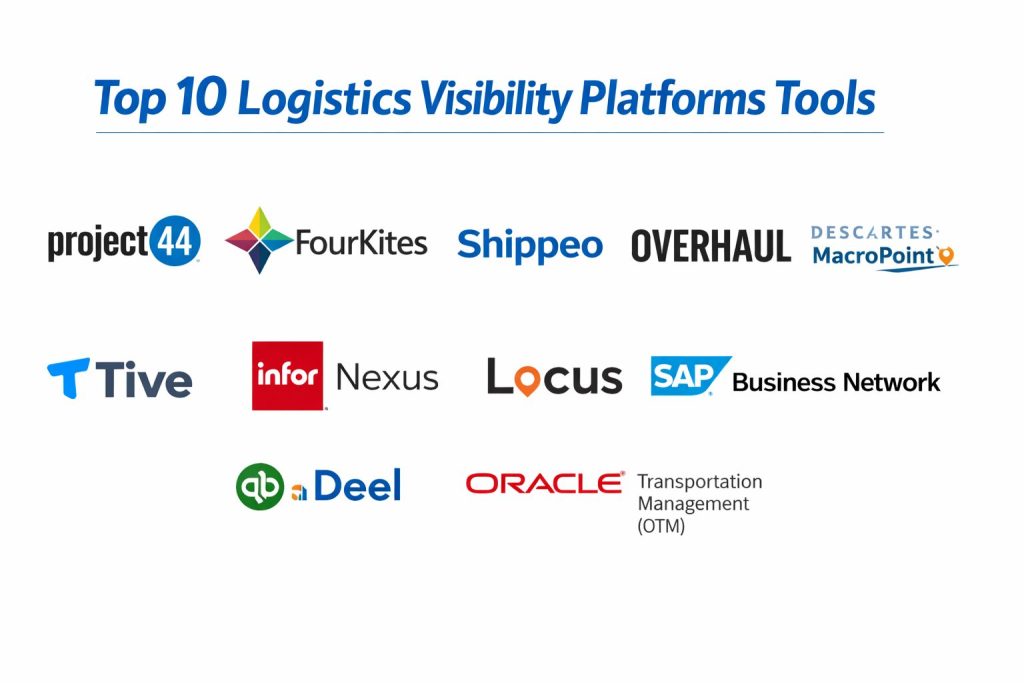
Introduction
Logistics visibility platforms serve as the digital command centers for modern supply chains, providing real-time data on the movement of goods across sea, air, and land. By aggregating data from thousands of carriers and IoT sensors, these tools allow companies to see exactly where their inventory is, identify potential delays before they happen, and automate the communication process between shippers and customers. This technology is no longer just about tracking; it is about “actionable intelligence” that helps businesses reduce waste, lower carbon footprints, and maintain resilience in an increasingly volatile global market.
Logistics environment has moved visibility from a back-office tracking function to a front-end competitive advantage. With the rise of autonomous trucking, smart ports, and AI-driven warehouse robotics, a unified visibility layer is the only way to synchronize these high-speed physical assets with digital planning systems. Shippers now require 99.9% data fidelity to feed their predictive models, ensuring that global trade remains fluid even during localized disruptions. For any enterprise managing a complex network, these platforms represent the primary defense against the rising costs of detention, demurrage, and lost sales.
Real-World Use Cases
- Proactive Exception Management: Logistics teams use these platforms to automatically trigger alternative shipping routes or notify downstream partners when a vessel is delayed by weather or port congestion, preventing warehouse bottlenecks.
- Cold Chain Integrity Monitoring: For pharmaceutical and food companies, visibility tools integrate with specialized sensors to monitor live temperature and humidity, ensuring that sensitive cargo stays within legal safety limits throughout its journey.
- Customer Self-Service Portals: B2B and B2C companies provide “Amazon-style” tracking pages to their clients, allowing them to see live ETAs and status updates without needing to call a customer service representative.
- Inventory in Transit Accounting: Finance and supply chain teams use high-fidelity visibility data to count “floating inventory” as available stock, allowing for a significant reduction in expensive safety stock held in physical warehouses.
- ESG and Carbon Reporting: Modern platforms calculate the precise CO2 emissions of every shipment based on real-time telematics and fuel data, enabling companies to meet strict international environmental reporting standards.
Buyer Evaluation Criteria
- Network Density and Carrier Connectivity: Evaluate how many carriers are already pre-integrated into the platform’s network, as this determines how quickly you can achieve 100% visibility across your entire shipping base.
- Predictive ETA Accuracy: Look for platforms that use advanced machine learning to factor in historical trends, real-time traffic, port dwell times, and weather patterns rather than simple distance-based arrival estimates.
- Multi-Modal Depth: Ensure the platform offers robust tracking capabilities for ocean, air, rail, and road, rather than specializing in just one mode, to support a truly global end-to-end supply chain.
- Integration and Interoperability: The tool must have native, “plug-and-play” connectors for your existing ERP, TMS, and WMS systems to ensure that visibility data flows seamlessly into your operational workflows.
- Data Fidelity and Cleaning: Check if the platform simply passes through raw carrier data or if it uses AI to cleanse and standardize information, removing the “noise” and errors common in legacy EDI status updates.
- Actionability and Workflow Automation: Does the platform allow you to execute actions, such as re-booking a carrier or communicating with a driver, directly from the dashboard when a delay is detected?
- Security and Data Residency: Given the sensitivity of supply chain data, the platform must offer enterprise-grade security like SSO and MFA, along with compliance for GDPR and regional data privacy laws.
- IoT Hardware Agnosticism: Determine if the software can ingest data from any third-party sensor or if you are locked into the vendor’s proprietary hardware for monitoring conditions like temperature or tilt.
- Mobile Accessibility for Drivers: A strong platform provides a simple, high-performing mobile app that allows drivers to provide status updates and electronic proof of delivery (ePOD) with minimal friction.
- Scalability and Global Support: Ensure the vendor has a global presence with 24/7 support and the technical infrastructure to handle millions of shipments per month as your business grows.
Best for: Global manufacturers, high-volume retailers, and 3PLs who manage complex, multi-modal international shipments and require a unified digital control tower.
Not ideal for: Small local businesses with a single private fleet or companies with very low shipment volumes where manual tracking via email or phone is still more cost-effective.
Key Trends in Logistics Visibility Platforms
- Agentic AI Decision-Making: Platforms are moving beyond alerts toward “Agentic AI” that can autonomously suggest and execute recovery plans, such as shifting a delayed shipment to a faster transport mode.
- Digital Twin Synchronization: Leading platforms now create a real-time digital replica of every shipment and container, allowing for advanced simulations of “what-if” scenarios regarding port strikes or fuel price spikes.
- Hyper-Local Last Mile Precision: The “black hole” of final delivery is being solved through deep integration with local courier apps and gig-economy driver networks, providing doorstep-level visibility.
- Mandatory Carbon Transparency: Carbon emissions tracking has shifted from a premium add-on to a core requirement, driven by global regulations that demand precise Scope 3 emissions reporting.
- Blockchain for Chain of Custody: High-value industries are increasingly using blockchain-backed visibility to provide an unalterable record of every person and vehicle that handled a sensitive shipment.
- Zero-Trust Logistics Security: As cyber threats to physical infrastructure rise, platforms are adopting “Zero-Trust” architectures to ensure that only authorized personnel can access sensitive location data.
- Conversational Data Querying: Logistics managers can now use natural language to ask their visibility platform questions like “Which of my high-priority shipments are stuck at the Port of Long Beach?”
- Standardized Data Sharing (USD for Logistics): The industry is moving toward a Universal Logistics Description (ULD) format that allows visibility data to move between different software vendors without loss of detail.
How We Selected These Tools (Methodology)
Our selection process for the top 10 platforms involved a multi-staged analytical approach to ensure only the most reliable and technologically advanced tools were included. We prioritized platforms that have demonstrated a clear roadmap toward AI-driven automation and have established the largest global carrier networks.
- Carrier Network Reach: We measured the number of active integrations across ocean, air, and road carriers to ensure the list features platforms that can support a truly global operation.
- AI and Predictive Sophistication: Each tool was evaluated on its ability to provide accurate ETAs that factor in complex variables like port congestion, weather, and historical carrier performance.
- Enterprise Security Posture: We assessed the presence of SOC 2 Type II, ISO 27001, and GDPR compliance, focusing on tools that can satisfy the stringent requirements of Fortune 500 IT departments.
- Ease of Implementation: We looked for “time-to-value” signals, prioritizing platforms that offer pre-built connectors for major ERP and TMS systems like SAP, Oracle, and Blue Yonder.
- Multi-Modal Versatility: Only tools that could provide a “single pane of glass” for multiple modes of transport were considered for the top spots on this list.
- Market Momentum and Stability: We analyzed customer growth and financial stability to ensure that the vendors listed are industry leaders with the resources to support long-term partnerships.
- Customer Feedback and Adoption: We reviewed real-world deployment success stories, looking for platforms that consistently receive high marks for UI design and user adoption among logistics staff.
Top 10 Logistics Visibility Platforms
1. project44
project44 is widely recognized as the global leader in supply chain visibility, offering an expansive API-first network that connects shippers and carriers across every mode of transport. It is the preferred choice for massive enterprises that require the highest level of data fidelity and global reach.
Key Features
- Movement Platform: A unified operations center that provides a single, real-time view of all shipments across ocean, air, rail, and road.
- High-Fidelity Tracking: Uses direct API and ELD integrations to provide sub-minute location updates, bypassing the delays of traditional EDI systems.
- Predictive ETA Engine: A machine-learning model that analyzes billions of data points to provide the most accurate arrival predictions in the industry.
- Yard Management Integration: Extends visibility into the warehouse yard to track trailer status and dock availability in real-time.
- Sustainability Dashboard: Automatically calculates the carbon footprint of every shipment for seamless ESG and regulatory reporting.
- Automated Carrier Onboarding: A streamlined portal that allows shippers to bring their unique carrier base onto the network in a matter of days.
- Exception Management: Highlights only the shipments that are at risk of delay, allowing teams to focus on problem-solving rather than manual tracking.
Pros
- The world’s largest pre-connected carrier network, ensuring immediate visibility for most international lanes.
- Superior data quality with advanced “cleansing” algorithms that remove errors from carrier status updates.
- Leading-edge AI features, including conversational queries and autonomous exception alerts.
Cons
- The premium feature set comes with a high price point that may be prohibitive for smaller companies.
- The platform’s immense depth can lead to a longer training period for staff used to simpler tracking methods.
- Some niche regional carriers may still require manual effort to fully integrate into the API network.
Platforms / Deployment
- Web / iOS / Android
- Cloud-based SaaS
Security & Compliance
- SOC 2 Type II, SOC 3, and ISO 27001 certified.
- Full GDPR and CCPA compliance with regional data hosting options.
Integrations & Ecosystem
project44 is designed to sit at the center of the enterprise tech stack, serving as the data engine for other systems.
- Native connectors for SAP S/4HANA and Oracle Transportation Management (OTM).
- Integration with Microsoft Dynamics 365 and Blue Yonder.
- Bridges to WMS systems like Manhattan Associates.
- Open API for custom enterprise application development.
Support & Community
The company provides 24/7 global technical support and a dedicated “Success Manager” for enterprise-tier clients. They maintain a massive developer portal and host the annual “Signal” conference for supply chain leaders.
2. FourKites
FourKites is a dominant global player known for its exceptional user experience and deep predictive analytics. It is highly valued for its “Yard-to-Door” visibility, helping shippers manage the entire lifecycle of a shipment with proactive communication and exception handling.
Key Features
- Dynamic ETAs: Patented AI that provides arrival predictions for every stage of the journey, including complex last-mile urban routes.
- Dynamic Yard: A comprehensive yard management system that gives real-time visibility into trailer locations and dock door status.
- Sustainability Hub: Provides detailed reporting on empty miles and carbon emissions to help companies achieve their “Green Logistics” goals.
- Carrier Connect: A collaboration portal that allows shippers and carriers to communicate directly, share documents, and resolve issues in real-time.
- Network Benchmarking: Anonymized data insights that allow companies to compare their performance metrics, like dwell times, against industry peers.
- Order-Level Visibility: Tracks individual POs and line items within a shipment, providing a more granular view of inventory than simple container tracking.
- Mobile Driver App: A high-performing app that simplifies driver communication and automates location updates without specialized hardware.
Pros
- Widely considered to have one of the most intuitive and user-friendly interfaces in the visibility market.
- Strongest yard management capabilities, bridging the gap between transportation and warehouse operations.
- Excellent customer success programs with a focus on high user adoption and rapid deployment.
Cons
- While global, their carrier network density in certain emerging markets is occasionally seen as secondary to project44.
- Advanced analytics and yard management modules often require separate, higher-tier subscriptions.
- Project implementation for complex multi-national setups can be resource-intensive for the internal IT team.
Platforms / Deployment
- Web / iOS / Android
- Cloud-based SaaS
Security & Compliance
- SOC 2 Type II and GDPR compliant.
- Privacy Shield certified for international data transfers.
Integrations & Ecosystem
FourKites features a robust integration layer that connects deeply with both logistics and general enterprise software.
- Certified integrations with SAP, Oracle, and Microsoft.
- Direct connections to major ELD providers like Samsara and Geotab.
- Partnership with FedEx for enhanced small-parcel tracking visibility.
- Support for major TMS systems like MercuryGate and Blue Yonder.
Support & Community
FourKites offers 24/7 support and maintains a “User Advisory Board” that allows clients to directly influence the product roadmap. They provide a comprehensive training academy for new users and carrier partners.
3. Shippeo
Shippeo is the market leader for logistics visibility in Europe, offering an incredibly sophisticated platform for road, ocean, and air tracking. It is famous for its “100% Tracking” guarantee and its deep expertise in the complexities of cross-border European trade.
Key Features
- 100% Tracking Guarantee: A specialized service model designed to ensure that every single carrier in a shipper’s network is successfully integrated.
- Ocean Visibility (AIS): Real-time container tracking using satellite data to monitor vessel movements and predict port arrivals with high precision.
- Multimodal Control Tower: A unified dashboard that tracks a single shipment as it moves between ocean vessels, rail cars, and trucks.
- CO2 Calculator: A highly accurate emission monitoring tool that uses actual truck telematics rather than just distance estimates.
- Direct Telematics Integration: Connects directly to over 800 telematics providers to get the most accurate location data possible.
- Custom Customer Portals: Allows shippers to create branded tracking pages for their clients to improve the B2B customer experience.
- Paperless Delivery (ePOD): A mobile-first tool for capturing signatures and delivery photos, reducing administrative paperwork.
Pros
- Unmatched expertise in European logistics, including deep knowledge of local carrier behaviors and regional regulations.
- Exceptionally clean and modern user interface that minimizes the need for extensive user training.
- High data reliability due to their “direct-to-telematics” strategy, which bypasses unreliable manual updates.
Cons
- Their carrier network in North America and Asia is not as dense as the top two global competitors.
- The 100% tracking guarantee and premium features often come at a significant cost per shipment.
- Advanced customization of the dashboard can sometimes require professional services involvement.
Platforms / Deployment
- Web / iOS / Android
- Cloud-based SaaS
Security & Compliance
- GDPR “by design” with strict European data privacy standards.
- SOC 2 Type II and ISO 27001 certified.
Integrations & Ecosystem
Shippeo is a core component of many European supply chain stacks, offering deep ties to regional technology providers.
- Native integration with SAP S/4HANA and SAP TM.
- Strong connections to European TMS providers like Alpega and Transporeon.
- Open API for integration with custom warehouse and inventory management systems.
- Direct bridges to major European telematics systems like TomTom and Astrata.
Support & Community
Shippeo provides localized support in over 10 languages across Europe and North America. They are a prominent voice in “Sustainable Logistics” and frequently host webinars for the European shipping community.
4. Overhaul
Overhaul is a specialized visibility and risk management platform designed for high-value and highly regulated industries. It is unique because it combines real-time location tracking with active cargo security and condition monitoring to prevent theft and damage.
Key Features
- Active Risk Management: Uses real-time data to identify security risks (like unauthorized stops) and triggers immediate intervention from law enforcement or security teams.
- Condition Monitoring: Fully integrates with IoT sensors to track temperature, light, shock, and humidity for sensitive cargo like pharmaceuticals.
- Sentinel App: A specialized driver app that provides secure routing and mandatory safety checklists to minimize cargo theft.
- Dynamic Compliance: Automatically monitors carriers to ensure they meet insurance and safety requirements before a load is even picked up.
- Digital Chain of Custody: Provides an unalterable record of every individual who had access to the cargo, essential for regulatory audits.
- Real-time Incident Response: A dedicated 24/7 command center that monitors high-value loads and acts on alerts in real-time.
- Multi-Sensor Integration: Can ingest data from any IoT device on the market, providing a “device-agnostic” view of cargo health.
Pros
- The clear industry leader for “High-Value” cargo where simple tracking is not enough to protect the asset.
- Effectively reduces insurance premiums and cargo loss by combining visibility with proactive security measures.
- Highly responsive support team that acts as an extension of the shipper’s own security department.
Cons
- The platform can be “overkill” for companies moving low-value bulk commodities that don’t require security monitoring.
- The added layer of security and compliance management makes the per-shipment cost higher than basic tracking tools.
- Managing the physical IoT sensors (if used) adds a layer of operational complexity to the shipping process.
Platforms / Deployment
- Web / iOS / Android
- Cloud-based SaaS
Security & Compliance
- SOC 2 Type II and ISO 27001 certified.
- HIPAA and GxP compliant for the pharmaceutical and healthcare industries.
Integrations & Ecosystem
Overhaul is designed to integrate with both traditional logistics software and specialized security hardware.
- Native integrations with major IoT hardware providers like Tive and Roambee.
- Connects to enterprise risk management and insurance platforms.
- Support for all major TMS and ERP systems via robust APIs.
- Direct integration with global law enforcement and security networks for incident response.
Support & Community
Overhaul provides a 24/7 “Global Command Center” staffed by security experts who monitor high-risk shipments. They are a key player in the cargo security community and provide extensive white papers on global theft trends.
5. Descartes MacroPoint
Descartes MacroPoint is one of the most established and widely used visibility platforms in North America. It is known for its massive carrier network and its “no-nonsense” approach to truckload tracking, making it a reliable choice for 3PLs, freight brokers, and large shippers.
Key Features
- Extensive Carrier Network: One of the largest pre-connected networks in the world, specifically optimized for the North American trucking market.
- Automated Freight Matching: Helps users find available truck capacity within their network using real-time visibility and carrier performance data.
- Predictive Delay Alerts: A straightforward alerting system that notifies shippers when a driver is trending late based on current traffic and hours of service.
- ELD and Cell-Based Tracking: Offers flexible tracking options, including direct ELD integration or app-free mobile phone tracking for smaller carriers.
- Consolidated Dashboard: Provides a clear, single view of all active shipments, with the ability to filter by carrier, lane, or customer.
- Audit and Compliance: Automatically logs all tracking interactions to provide a “source of truth” for resolving carrier disputes regarding on-time performance.
- Multi-Modal Support: While truckload-heavy, the platform has expanded to include robust ocean and air tracking capabilities.
Pros
- Exceptional “time-to-value”; many companies can get their entire network tracked in a matter of weeks.
- Highly cost-effective for domestic road freight, offering a strong ROI for mid-sized logistics operations.
- Extremely high reliability and uptime, backed by the global infrastructure of the Descartes Systems Group.
Cons
- The user interface is functional but can feel dated and less “feature-rich” than modern AI-centric platforms.
- While it supports ocean and air, its depth in those modes is not as advanced as project44 or Shippeo.
- Advanced predictive features (like AI-driven port congestion analysis) are not as central to the platform.
Platforms / Deployment
- Web / iOS / Android
- Cloud-based SaaS
Security & Compliance
- SOC 2 Type II compliant.
- Standard enterprise data protection and privacy protocols.
Integrations & Ecosystem
MacroPoint is a core part of the Descartes Global Logistics Network (GLN), providing unmatched connectivity.
- Native integration with all Descartes TMS products.
- Support for virtually every major third-party TMS used by brokers and 3PLs (e.g., MercuryGate, McLeod).
- Direct connections to hundreds of ELD and telematics providers.
- API support for feeding visibility data into custom enterprise portals.
Support & Community
Descartes provides a very stable, corporate support structure with 24/7 technical assistance. The user community is one of the largest in the logistics industry, consisting of thousands of brokers and shippers.
6. Tive
Tive is a leader in “Real-Time In-Transit Visibility” that combines a powerful cloud platform with its own proprietary IoT hardware. It is the go-to solution for companies that need “ground truth” data on the location and physical condition (temperature, shock, light) of their shipments.
Key Features
- Proprietary IoT Sensors: Hardware that tracks location, temperature, humidity, light exposure, and shock in real-time, regardless of the carrier’s systems.
- Global LTE/5G Connectivity: Sensors provide seamless tracking across borders using the latest cellular and satellite technologies.
- Condition-Based Alerts: Immediate notifications if a box is opened (light sensor) or if a pallet is dropped (shock sensor).
- Open Visibility Platform: A software dashboard that aggregates Tive sensor data with carrier-provided status updates for a complete view.
- Long-Life Battery: Trackers are designed for long-haul ocean and air shipments, with batteries that can last for months on a single charge.
- Single and Multi-Use Options: Shippers can choose between disposable trackers for one-way trips or returnable trackers for closed-loop systems.
- AI Predictive ETAs: Uses the high-fidelity sensor data to provide arrival estimates that are often more accurate than carrier-provided data.
Pros
- Provides “Independent Truth”; you don’t have to rely on the carrier’s GPS or manual status updates for visibility.
- Essential for high-stakes cold chain logistics (vaccines, food) and fragile goods (electronics, aerospace).
- Very easy to deploy; sensors can be activated with a single button and tossed into a box or pallet.
Cons
- The physical logistics of managing sensors (shipping them and potentially returning them) adds a layer of operational complexity.
- The per-shipment cost is higher than software-only solutions because it includes the cost of the hardware and data plan.
- Software-only analytics (like overall supply chain network optimization) are not as deep as project44.
Platforms / Deployment
- Web / iOS / Android
- Cloud-based SaaS + Physical IoT Hardware
Security & Compliance
- SOC 2 Type II compliant.
- FAA/Airline approved for air freight; sensors automatically turn off cellular radios in flight.
Integrations & Ecosystem
Tive is designed to be a “data source” for other major visibility and logistics platforms.
- Native “Partnership” integrations with project44, FourKites, and Shippeo.
- Direct API for feeding condition and location data into SAP or Oracle.
- Support for leading WMS and TMS providers to automate shipment-to-sensor linking.
- Integration with major e-commerce platforms for high-value retail shipments.
Support & Community
Tive offers 24/7 monitoring services and “Trackers-as-a-Service” where they handle the hardware logistics for you. They have a growing community of cold chain and high-value cargo experts.
7. Infor Nexus
Infor Nexus is a massive enterprise-scale “Multi-Enterprise Business Network” that provides end-to-end visibility from the factory floor to the final destination. It is the preferred choice for global brands that need to coordinate complex international sourcing, financing, and logistics on a single platform.
Key Features
- Multi-Enterprise Integration: Connects suppliers, manufacturers, banks, and carriers in a single digital environment to share one version of the truth.
- Financial Supply Chain: Integrates visibility with financing, allowing for automated payments to suppliers as soon as goods are tracked as “shipped.”
- Predictive Lead Times: AI that analyzes historical production and shipping data to predict exactly when a product will be available for sale.
- Global Control Tower: A high-level dashboard that allows executives to manage global trade risks, such as port strikes or geopolitical disruptions.
- Inventory in Transit Visibility: Provides real-time tracking of every SKU across all transport modes, allowing for better global inventory allocation.
- Trade Compliance: Built-in tools for managing international customs documents and ensuring that all shipments meet global trade regulations.
- Sustainability Tracking: Monitors emissions across the entire multi-tier supply chain, not just the transportation leg.
Pros
- The most comprehensive tool for “Global Trade” complexity, where money and goods must move in perfect synchronization.
- Exceptional for high-volume retailers and manufacturers who source heavily from Asia and South America.
- Provides a level of supply chain finance integration that is unmatched by pure-play visibility platforms.
Cons
- Extremely high complexity; an Infor Nexus implementation is a multi-month enterprise project that requires significant resources.
- The user interface is data-dense and professional, which can be overwhelming for users who only need simple tracking.
- High total cost of ownership, making it suitable only for large, multi-national corporations.
Platforms / Deployment
- Web / iOS / Android
- Cloud-based SaaS
Security & Compliance
- Enterprise-grade security with advanced RBAC (Role-Based Access Control).
- SOC 2 Type II, ISO 27001, and extensive global trade compliance certifications.
Integrations & Ecosystem
Infor Nexus is designed to be the backbone of the enterprise, connecting deeply with internal and external systems.
- Native integration with the Infor ERP suite (Infor CloudSuite).
- Massive network of pre-connected global banks for supply chain finance.
- Direct connections to all major ocean and air carriers.
- Open API for connecting with non-Infor ERPs like SAP or Oracle.
Support & Community
Infor provides high-level strategic support and professional services for its “Nexus” clients. They have a massive global footprint and host “Inforum,” a major annual conference for their enterprise users.
8. Locus
Locus is an AI-first logistics platform that specializes in “Last-Mile” visibility and route optimization. It is the ideal choice for companies with their own delivery fleets or those managing hyper-local delivery partners in urban environments.
Key Features
- Dispatcher Control Tower: A real-time view of every delivery vehicle in the fleet, with AI that automatically re-routes drivers based on live traffic.
- Branded Tracking for Customers: Provides high-quality, real-time tracking pages for the end consumer, including “Uber-style” live vehicle movement.
- Automated Order Allocation: AI that assigns orders to the best available driver based on cost, distance, and the driver’s historical performance.
- Electronic Proof of Delivery (ePOD): Captures digital signatures, photos, and time-stamped location data at the point of delivery.
- Geocoding Engine: Sophisticated AI that cleans up messy or incomplete addresses to ensure drivers arrive at the correct location every time.
- Insights and Analytics: Detailed reports on fleet efficiency, driver behavior, and “last-mile” cost-per-delivery.
- Sustainable Routing: Optimizes routes to minimize fuel consumption and carbon emissions for local delivery networks.
Pros
- The clear leader for “Last-Mile” precision, providing a level of detail that global freight platforms cannot match.
- Proven to reduce fuel costs and delivery times by up to 20% through superior AI route optimization.
- Modern, mobile-first design that is extremely easy for drivers and dispatchers to use with minimal training.
Cons
- Not designed for tracking global ocean or air freight; it is a specialist tool for the final leg of the journey.
- Primarily focused on local and regional delivery; not a replacement for a global supply chain control tower.
- Integration with international ocean/air carriers is limited compared to project44.
Platforms / Deployment
- Web / iOS / Android
- Cloud-based SaaS
Security & Compliance
- SOC 2 Type II and GDPR compliant.
- Standard encryption and data privacy protocols for consumer-facing tracking.
Integrations & Ecosystem
Locus is built to connect with the e-commerce and retail tech stack.
- Native integrations with major e-commerce platforms like Shopify and Magento.
- API-first architecture for connecting with local TMS and WMS systems.
- Direct bridges to popular customer communication tools (SMS, WhatsApp).
- Support for major mobile payment providers for “cash-on-delivery” workflows.
Support & Community
Locus provides strong support in North America, India, and the Middle East. They offer a comprehensive knowledge base and localized training for fleet operations teams.
9. SAP Business Network
Formerly known as the SAP Logistics Business Network, this platform is the visibility arm of the world’s largest enterprise software provider. It is the natural choice for companies already running on SAP S/4HANA that want a seamless, built-in view of their carrier network.
Key Features
- Native S/4HANA Integration: Visibility data flows directly into your ERP’s inventory, finance, and sales modules without any third-party “bridge.”
- Global Track and Trace: A specialized module for monitoring high-value or regulated assets throughout their entire global lifecycle.
- Freight Collaboration Portal: Allows shippers to tender loads, track status, and manage warehouse dock appointments directly with their carriers.
- Network-Wide Intelligence: Aggregates anonymized data from millions of transactions across the SAP network to provide deep industry benchmarks.
- Material Traceability: Provides visibility not just into the shipment, but into the origin and journey of the raw materials inside the products.
- Unified Business Network: Connects logistics visibility with SAP’s procurement (Ariba) and asset management networks for a total enterprise view.
- Sustainability Reporting: Uses SAP’s “Green Ledger” technology to provide audit-ready carbon emissions reports.
Pros
- “Zero-effort” integration for SAP-centric organizations, significantly reducing the cost and time of implementation.
- Offers the highest level of stability and corporate security of any platform on this list.
- Exceptional for large, multi-national conglomerates with complex financial and compliance reporting needs.
Cons
- Can feel slower to innovate and update compared to “pure-play” visibility startups like FourKites.
- To get the full value, you generally need to be a part of the broader SAP software ecosystem.
- The interface is professional and data-dense, which can be less intuitive for casual users.
Platforms / Deployment
- Web / iOS / Android
- Cloud-based SaaS
Security & Compliance
- World-class security with SOC 1, SOC 2, ISO 27001, and HIPAA certifications.
- Full global GDPR and regional data residency compliance.
Integrations & Ecosystem
The SAP Business Network is the ultimate “closed-loop” ecosystem for global enterprise operations.
- Deepest possible integration with SAP S/4HANA, SAP TM, and SAP EWM.
- Supports standard EDI and API connections for external carrier partners.
- Connects to the SAP Ariba network for end-to-end procurement visibility.
- Open to third-party data providers (like project44) to enhance the native visibility data.
Support & Community
SAP provides the largest global support and consulting network in the software industry. The user community is massive, with dedicated user groups in almost every major country.
10. Oracle Transportation Management (OTM)
Oracle’s visibility capabilities are built directly into its world-class Transportation Management System (TMS). It is designed for large enterprises that need to manage massive transportation spends and requires visibility that is perfectly synced with their planning and execution.
Key Features
- Integrated Planning and Tracking: Visibility data is used in real-time to adjust future shipping plans and carrier selections based on actual performance.
- Global Trade Management (GTM): Native visibility into customs status, duties, and international trade compliance for global ocean and air shipments.
- Automated Exception Handling: Uses Oracle’s AI “Digital Assistant” to suggest the best way to resolve delays directly within the shipping workflow.
- Fleet Monitoring: Provides deep telematics integration for companies with their own private fleets, tracking driver safety and fuel efficiency.
- Logistics Machine Learning: Analyzes millions of historical shipments to predict transit times and identify lanes with high risk of disruption.
- Collaborative Portal: A centralized hub where shippers and carriers can share documents, negotiate rates, and update shipment status.
- Mobile Field Service: Extends visibility to field service teams, allowing them to see exactly when parts or inventory will arrive on-site.
Pros
- The most powerful combined TMS and Visibility tool for large-scale, complex logistics operations.
- Extremely scalable, capable of managing millions of shipments per month for global conglomerates.
- Provides the deepest level of data analytics and BI (Business Intelligence) for logistics optimization.
Cons
- Requires a significant investment in both software licenses and professional implementation services.
- The system is highly complex and typically requires a dedicated internal team or consultant to manage.
- Not as “agile” as standalone visibility tools for companies that don’t need a full TMS.
Platforms / Deployment
- Web / iOS / Android
- Cloud-based SaaS
Security & Compliance
- Leading enterprise security certifications, including SOC 1/2/3 and ISO.
- Full support for federal and regional data compliance standards.
Integrations & Ecosystem
OTM is a core part of the Oracle Fusion Cloud suite, providing unmatched internal connectivity.
- Deepest integration with Oracle ERP Cloud and Oracle SCM Cloud.
- Large ecosystem of carrier and data partners through the Oracle Cloud Marketplace.
- Support for standard industry formats like EDI, XML, and JSON APIs.
- Native connections to global ocean and air data providers.
Support & Community
Oracle provides 24/7 global support and has one of the most established enterprise user groups in the world. Their “Modern Supply Chain” conference is a major annual event for their clients.
Comparison Table (Top 10)
| Tool Name | Best For | Platform(s) Supported | Deployment | Standout Feature |
| project44 | Global Multi-modal Visibility | Web, iOS, Android | Cloud (SaaS) | High-Fidelity API Network |
| FourKites | Yard & Exception Management | Web, iOS, Android | Cloud (SaaS) | Dynamic Yard Module |
| Shippeo | European Road & Ocean | Web, iOS, Android | Cloud (SaaS) | 100% Tracking Guarantee |
| Overhaul | High-Value Cargo Security | Web, iOS, Android | Cloud (SaaS) | Active Risk Management |
| Descartes MacroPoint | 3PLs & Freight Brokers | Web, iOS, Android | Cloud (SaaS) | Capacity Matching |
| Tive | Cold Chain & Condition Tracking | Web, iOS, Android | Cloud + IoT | Real-time Temperature/Shock |
| Infor Nexus | Global Trade & Finance | Web, iOS, Android | Cloud (SaaS) | Supply Chain Finance |
| Locus | Last-Mile & Urban Delivery | Web, iOS, Android | Cloud (SaaS) | AI Route Optimization |
| SAP Business Network | SAP-centric Organizations | Web, iOS, Android | Cloud (SaaS) | Native S/4HANA Flow |
| Oracle Transportation Management (OTM) | Integrated TMS Visibility | Web, iOS, Android | Cloud (SaaS) | Planning + Execution Sync |
Evaluation & Scoring of Logistics Visibility Platforms
The following scoring model evaluates these platforms based on the critical requirements of a 2026 digital supply chain, including data quality, AI capabilities, and security.
Scoring Model (0–10)
| Tool Name | Data Quality (25%) | Modal Depth (20%) | Integrations (15%) | AI/Predictive (15%) | Ease of Use (10%) | Security (15%) | Weighted Total |
| project44 | 10 | 10 | 9 | 10 | 7 | 9 | 9.3 |
| FourKites | 9 | 9 | 9 | 10 | 9 | 9 | 9.1 |
| Shippeo | 9 | 8 | 8 | 9 | 10 | 9 | 8.7 |
| Overhaul | 10 | 7 | 8 | 8 | 8 | 10 | 8.7 |
| Descartes MacroPoint | 8 | 8 | 9 | 7 | 9 | 8 | 8.1 |
| Tive | 10 | 6 | 8 | 7 | 9 | 9 | 8.2 |
| Infor Nexus | 8 | 9 | 8 | 9 | 5 | 10 | 8.3 |
| Locus | 8 | 5 | 8 | 10 | 10 | 8 | 7.9 |
| SAP Business Network | 8 | 8 | 10 | 8 | 6 | 10 | 8.4 |
| Oracle Transportation Management (OTM) | 8 | 9 | 10 | 9 | 6 | 10 | 8.6 |
How to interpret these scores
- Data Quality (25%): Measures the accuracy and speed of location updates. Higher scores reflect platforms that use direct API/ELD data over legacy status updates.
- Modal Depth (20%): Evaluates whether the tool provides deep tracking for all modes (ocean, air, road, rail) or specializes in just one.
- AI/Predictive (15%): Scores the sophistication of the machine learning used for ETAs and automated exception handling.
- Security (15%): Critical for enterprise buyers, this reflects the presence of top-tier certifications like SOC 2 and ISO 27001.
Which Logistics Visibility Platform Tool Is Right for You?
Solo / SMB Logistics Firms
For smaller firms or growing 3PLs, Descartes MacroPoint is the most practical choice due to its massive carrier network and budget-friendly pricing. If your focus is purely on local delivery, Locus provides the best specialized “last-mile” tools.
Mid-Market Manufacturers
Organizations moving a moderate volume of freight across a specific region should prioritize Shippeo (for European-heavy operations) or FourKites (for North American-heavy operations). These tools offer a perfect balance of advanced AI features and user-friendly dashboards.
Global Enterprise
Large multinational corporations need the maximum depth offered by project44. However, if your company is deeply embedded in the SAP or Oracle software ecosystems, utilizing their native business networks will offer the most seamless operational and financial integration.
Specialized (Pharma, Electronics, Luxury)
If you are moving high-value or temperature-sensitive goods, location tracking is not enough. You need Overhaul for active security monitoring and Tive for real-time condition sensors (temperature, shock) to protect your cargo.
Budget vs Premium
Descartes MacroPoint and Locus represent the best value for focused use cases. project44, Infor Nexus, and Oracle Transportation Management (OTM) are premium investments designed for total supply chain orchestration at a higher cost.
Feature Depth vs Ease of Use
Shippeo and FourKites excel at providing a deep feature set that is still very easy for non-technical users to navigate. Infor Nexus and Oracle Transportation Management (OTM) offer the most features but require significant technical expertise to manage.
Integrations & Scalability
SAP Business Network and Oracle Transportation Management (OTM) offer the highest level of scalability and internal integration for large organizations. For companies with a “best-of-breed” software strategy, project44 offers the most robust open API ecosystem.
Security & Compliance Needs
Organizations handling highly sensitive cargo or government contracts should prioritize SAP Business Network, Oracle Transportation Management (OTM), or Overhaul, as they hold the most stringent security and industry-specific certifications.
Frequently Asked Questions (FAQs)
1. What is the typical ROI for a logistics visibility platform in 2026?
Most enterprises achieve a full ROI within 12 to 18 months by reducing detention and demurrage fees by 25%, lowering safety stock by 15%, and significantly decreasing the labor required for manual shipment tracking.
2. Can these platforms track air freight accurately during the flight?
Yes, modern platforms like project44 and Tive use direct airline API integrations and satellite-based AIS tracking to provide real-time location updates even while the aircraft is in the air.
3. How long does it take to onboard my unique carrier base?
With modern “automated onboarding” tools, standard carriers can be connected in days. However, complex regional carriers or those without digital systems may still require 2–4 weeks to set up via mobile apps or ELD bridges.
4. Do I need to buy sensors for every single shipment?
No, sensors from companies like Tive are typically reserved for high-value, fragile, or temperature-sensitive cargo. For standard dry freight, software-only tracking using the carrier’s existing GPS or ELD is much more cost-effective.
5. Is the data from these platforms truly “real-time”?
Data from API and ELD sources is nearly real-time, with latencies often under five minutes. Traditional EDI-based status updates are not real-time and may have gaps of several hours or more.
6. Can these tools help me reduce my carbon footprint?
Yes, platforms like FourKites and Shippeo provide sustainability dashboards that use real-time telematics data to calculate the exact CO2 emissions of your shipments, helping you optimize for lower-emission routes.
7. Is it possible to use multiple visibility platforms at once?
Many large enterprises use a “primary” platform like project44 for general tracking but integrate specialized sensor data from Tive or security data from Overhaul for their most critical shipping lanes.
8. What is the difference between visibility and a TMS?
Visibility platforms (like FourKites) focus on tracking and data accuracy, while a TMS (like Oracle Transportation Management (OTM)) focuses on planning, tendering, and financial settlement of freight.
9. Does visibility software help with customs clearance?
Platforms like Infor Nexus provide “Global Trade Management” features that use real-time visibility data to pre-populate customs documents and alert brokers to potential border delays.
10. How does AI improve arrival time (ETA) predictions?
AI analyzes historical lane data, real-time traffic, port congestion levels, and even social media or news reports to provide an arrival estimate that is far more accurate than a simple distance/speed calculation.
Conclusion
Logistics visibility has evolved from a simple tracking feature into a mission-critical “control tower” for the global supply chain. While project44 and FourKites lead the market in pure data depth and user adoption, the rise of specialized tools like Overhaul and Tive has made it possible to protect high-value cargo with unprecedented precision. For most organizations, the “best” platform will be determined by their existing software ecosystem and their specific regional needs. Regardless of which tool you select, the goal remains the same: transforming raw data into a proactive strategy that ensures your goods are in the right place at the right time.