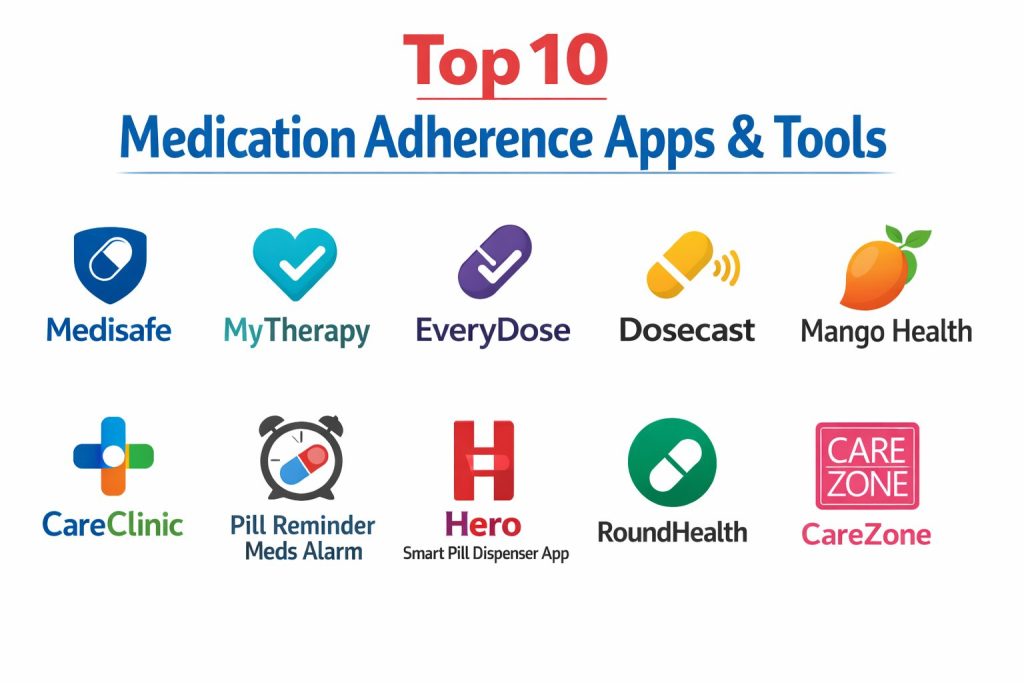
INTRODUCTION
Medication adherence apps represent a critical frontier in digital health, designed to solve the persistent challenge of patient non-compliance with prescribed treatments. These digital solutions serve as sophisticated personal assistants that manage complex dosing schedules, track health metrics, and provide a direct link between patients, caregivers, and healthcare providers. By leveraging mobile technology, these apps transform the passive act of taking a pill into an interactive health management process. They are particularly vital for managing chronic conditions such as diabetes, hypertension, and heart disease, where missing even a single dose can lead to significant health complications or hospitalizations.
In the modern healthcare ecosystem, the utility of these apps extends beyond simple reminders. They now incorporate high-level features such as drug interaction warnings, real-time physiological monitoring through wearable integration, and automated refill requests. For healthcare organizations, these tools offer a wealth of data that can be used to improve patient outcomes and reduce the overall cost of care. For the individual user, they provide peace of mind and autonomy over their medical journey. As the global population ages and the prevalence of multi-drug regimens increases, these applications are no longer optional “gadgets” but essential medical infrastructure.
Best for: Patients with chronic illnesses, elderly individuals managing multiple prescriptions, caregivers, and healthcare providers looking to monitor patient progress remotely.
Not ideal for: One-time short-term antibiotic courses, simple vitamin routines for healthy individuals, or users in regions without reliable smartphone access or internet connectivity.
KEY TRENDS IN MEDICATION ADHERENCE APPS
The sector is currently undergoing a massive shift toward AI-driven personalization, where apps learn a user’s habits and adjust notification styles to maximize the likelihood of adherence. We are seeing an increase in “gamification,” where users earn rewards or see visual progress for consistent streaks, significantly boosting engagement in younger and middle-aged demographics. Another major trend is the deep integration with smart hardware, such as IoT-enabled pill bottles and automated dispensers that communicate directly with the app via Bluetooth. Interoperability with Electronic Health Records is also becoming a standard requirement, allowing doctors to see real-time adherence data during consultations. Furthermore, there is a growing focus on “social adherence,” where family members (Medfriends) are automatically notified if a dose is missed, creating a secondary safety net. Finally, privacy standards are tightening, with apps adopting blockchain-like security for health data and biometric authentication to ensure that sensitive medical lists remain confidential.
METHODOLOGY
Our selection of the top ten medication adherence apps is the result of a rigorous evaluation process that prioritizes patient safety and data integrity. We analyzed over fifty global applications, filtering for those with a minimum of four stars in major app stores and a proven track record of clinical reliability. Our team assessed the robustness of each app’s drug database, checking for the accuracy of drug-to-drug and drug-to-food interaction alerts. We also prioritized apps that offer cross-platform synchronization and wearable integration, as these features are essential for modern users. Security was a non-negotiable factor; we exclusively selected tools that demonstrate high standards of encryption and compliance with international health data regulations. Finally, we considered the user experience, specifically looking for interfaces that are accessible to seniors and individuals with visual or cognitive impairments.
TOP 10 MEDICATION ADHERENCE APPS
1. Medisafe
Medisafe is widely regarded as the most comprehensive medication management platform available. It goes beyond simple alarms by providing a visual “pillbox” interface that helps users identify their medications by shape and color. The app is designed to be a holistic health companion, allowing users to track various measurements like blood pressure and glucose levels alongside their medication intake.
The platform’s standout feature is the “Medfriend” system, which sends an alert to a designated family member or caregiver if a user fails to log a dose after several reminders. This creates a community-based accountability loop that is highly effective for elderly patients or those with memory challenges.
Pros:
The app offers an extremely intuitive visual interface and a massive database for drug interaction checks. It also supports deep integration with wearable devices like the Apple Watch and Android Wear.
Cons:
Some of the most advanced features, such as unlimited “Medfriends” and specialized health trackers, are locked behind a premium subscription. The initial setup for complex regimens can be time-consuming.
Platforms / Deployment:
iOS / Android / WatchOS
Cloud-Synchronized
Security & Compliance:
HIPAA Compliant, AES-256 Encryption
SSO Support for Enterprise
Integrations & Ecosystem:
Connects with major health platforms including Apple Health and Google Fit. It also features a specialized portal for healthcare providers to monitor patient populations.
Support & Community:
Provides extensive in-app help guides and a responsive technical support team.
2. MyTherapy
MyTherapy is a versatile health and medication tracker that prides itself on being 100% free and ad-free. Developed in collaboration with research partners and patients, it focuses on simplicity and a “joyful” user experience. It combines a pill reminder with a health diary that allows users to record symptoms and mood.
The app is particularly useful for patients managing conditions like Multiple Sclerosis or Rheumatism, as it allows for the tracking of injection sites to prevent tissue damage. Users can generate a comprehensive PDF health report that can be shared directly with their physician during appointments.
Pros:
The app is entirely free for users, as its business model relies on partnerships with research and pharmaceutical companies rather than user fees. Its interface is clean and lacks the clutter found in some commercial competitors.
Cons:
Because it is free, it lacks some of the more advanced automated features found in paid apps, such as direct pharmacy refill connections. The drug database is localized, which may cause issues in some smaller markets.
Platforms / Deployment:
iOS / Android
Desktop (via Web)
Security & Compliance:
GDPR Compliant, Encryption in Transit
Minimal Data Collection Policy
Integrations & Ecosystem:
Syncs data with primary mobile health hubs. It is designed to work as a standalone tool but allows for easy data export to external medical systems.
Support & Community:
Offers a strong online community and detailed FAQs on their website.
3. EveryDose
EveryDose (formerly known as Groove Health) distinguishes itself through the use of an AI-powered digital assistant named “Maxwell.” Maxwell interacts with users to answer questions about their medications, provides health tips, and encourages adherence through conversational engagement.
The app features a robust drug-to-drug interaction tool and a virtual medication list that is easy to share. It focuses on reducing the “alarm fatigue” that often causes users to ignore notifications by using smart, time-sensitive alerts that appear prominently on the lock screen.
Pros:
The AI assistant makes the app feel more interactive and less like a static tool. It offers excellent drug interaction alerts that can prevent dangerous medical errors.
Cons:
The “EveryDose Plus” premium version is required for tracking multiple profiles or accessing the full suite of health journals. Some users may find the conversational AI interface unnecessary for simple needs.
Platforms / Deployment:
iOS / Android
Cloud-Based
Security & Compliance:
HIPAA Compliant, MFA
Not publicly stated
Integrations & Ecosystem:
Features a Pharmacy Savings Card integration and connects with Apple Health for metric tracking.
Support & Community:
Provides email-based technical support and a library of educational content.
4. Dosecast
Dosecast is a highly flexible medication reminder app that specializes in handling complex dosing schedules. It is particularly effective for “as needed” (PRN) medications, as it allows users to set maximum daily limits and tracks the time elapsed between doses to prevent accidental overdose.
The software is unique in its “Smart Silencing” feature, which prevents alarms from sounding during a user’s pre-set bedtime or during scheduled appointments. It also supports a wide range of medication types, including injections, inhalers, and patches.
Pros:
It is one of the most reliable apps for managing medications that do not follow a strict daily schedule. The Pro version offers seamless multi-device synchronization.
Cons:
The free version contains advertisements and limits the number of medications that can be tracked. The visual design is somewhat dated compared to modern competitors.
Platforms / Deployment:
iOS / Android / Amazon
CloudSync (Pro)
Security & Compliance:
Encryption in Transit
No registration required for Free version
Integrations & Ecosystem:
Links doctors and pharmacies from the phone’s contact list to specific medications for quick communication.
Support & Community:
Offers a direct contact form for support and a detailed feature manual online.
5. Mango Health
Mango Health takes a unique approach to medication adherence by using gamification. Users earn points for taking their medications on time, which can eventually be redeemed for real-world rewards like gift cards or charitable donations. This approach is highly effective for improving long-term engagement.
Beyond the reward system, the app provides standard features like refill reminders and drug interaction alerts. It is now part of the TrialCard ecosystem, which has expanded its reach into professional patient engagement programs.
Pros:
The rewards system provides a tangible incentive for adherence that many other apps lack. The interface is colorful, engaging, and very easy to navigate.
Cons:
The reward system is primarily focused on the US market, making it less appealing for international users. The app’s focus on gamification may not resonate with older, more traditional users.
Platforms / Deployment:
iOS / Android
Cloud-Synchronized
Security & Compliance:
HIPAA Compliant
Not publicly stated
Integrations & Ecosystem:
Integrates with professional patient support programs and pharmacy networks to streamline the refill process.
Support & Community:
Strong presence in patient advocacy circles and offers dedicated user support.
6. CareClinic
CareClinic is an advanced health management platform that treats medication adherence as one part of a larger wellness ecosystem. It is designed for users who want to track everything from their diet and exercise to their sleep and medication in a single location.
The app uses a “check-in” system where users log their daily health status. This data is then analyzed using built-in analytics to find correlations between medication adherence and overall symptom improvement, providing users with actionable health insights.
Pros:
The analytical tools are superior to most dedicated pill reminder apps. It allows for a very high level of customization in tracking specialized health metrics.
Cons:
The sheer amount of features can be overwhelming for someone who only needs a simple medication reminder. Many of the advanced analytics require a paid subscription.
Platforms / Deployment:
iOS / Android / Web
Cloud-Synchronized
Security & Compliance:
HIPAA, GDPR, SOC 2
MFA, RBAC
Integrations & Ecosystem:
Extensive integrations with wearables and EHR systems, making it a favorite for clinical study participants and chronic disease managers.
Support & Community:
Offers a comprehensive knowledge base and tiered support for individual and professional users.
7. Pill Reminder – Meds Alarm
This app is a straightforward, no-nonsense tool specifically designed for simplicity and reliability. It focuses on high-contrast visuals and loud, persistent alarms, making it an excellent choice for individuals with hearing or vision impairments.
Users can easily add medications by searching a database and set simple daily or weekly schedules. The app allows for the attachment of photos to each medication, which is a critical feature for preventing confusion between similar-looking pills.
Pros:
It is incredibly easy to set up and use, even for those with limited technical skills. The visual and audio notifications are highly effective.
Cons:
It lacks the advanced health tracking and community features found in more complex platforms. There is no automated data sharing with healthcare providers.
Platforms / Deployment:
iOS / Android
On-Device / Cloud Backup
Security & Compliance:
Not publicly stated
Integrations & Ecosystem:
Offers basic integration with system-level health apps but is primarily designed as a standalone tool.
Support & Community:
Basic technical support available through the app store and developer website.
8. Hero (Smart Pill Dispenser App)
The Hero app is the digital counterpart to the Hero smart pill dispenser, an automated device that physically sorts and dispenses medication. While the app can be used alone, its true power lies in its connection to the hardware, which tracks exactly when a pill is physically removed from the machine.
The app provides real-time notifications if a dose is missed and allows caregivers to monitor the machine’s inventory remotely. It automatically alerts the user when it is time to refill the machine or when a prescription is running low at the pharmacy.
Pros:
Provides the highest level of adherence tracking because it monitors physical medication removal. It is ideal for patients with high-risk conditions who cannot afford to miss a dose.
Cons:
To get the most benefit, users must purchase or lease expensive hardware. The monthly subscription fee for the service is significantly higher than other apps.
Platforms / Deployment:
iOS / Android
Hardware-Integrated Cloud
Security & Compliance:
HIPAA Compliant, AES Encryption
SSO and MFA
Integrations & Ecosystem:
Connects with the Hero hardware ecosystem and offers integrated pharmacy refill services.
Support & Community:
Provides 24/7 dedicated support for hardware and software issues.
9. RoundHealth
RoundHealth is designed around the concept of “windows” of time rather than a single, rigid alarm. This allows users to set a period (e.g., between 8:00 AM and 10:00 AM) during which they should take their medication, providing a more flexible and less stressful experience.
The app’s aesthetic is minimalist and modern, focusing on clear typography and a simple “circle” interface that shows the day’s progress. It is particularly popular among younger professionals who need a subtle but effective reminder system.
Pros:
The “window” approach reduces the stress associated with missing a specific alarm time. The design is exceptionally clean and professional.
Cons:
It lacks deep health tracking metrics like blood pressure or glucose monitoring. It is currently more focused on the iOS ecosystem, with fewer features on other platforms.
Platforms / Deployment:
iOS / WatchOS
iCloud Sync
Security & Compliance:
Not publicly stated
Integrations & Ecosystem:
Tightly integrated with the Apple ecosystem, including Apple Health and iCloud for data backup.
Support & Community:
Responsive email support and a helpful FAQ section.
10. CareZone
CareZone is a comprehensive platform designed specifically for caregivers and families managing complex medical situations. Its most famous feature is the “photo scan,” where a user simply takes a picture of a prescription bottle, and the app automatically populates the medication name, dosage, and pharmacy info.
In addition to medication management, CareZone includes a secure place to store insurance cards, physician contacts, and advanced directives. This makes it an essential “digital wallet” for medical emergencies and hospital visits.
Pros:
The photo-scanning technology is a massive time-saver for those managing many medications. It excels at organizing all medical information in one secure location.
Cons:
The interface can feel cluttered due to the wide variety of features offered. Some users may only want the medication reminders and find the rest unnecessary.
Platforms / Deployment:
iOS / Android / Web
Cloud-Synchronized
Security & Compliance:
HIPAA Compliant, Encryption at Rest
Audit Logs
Integrations & Ecosystem:
Integrates with various pharmacy networks and healthcare providers for a unified care experience.
Support & Community:
Offers a robust support portal and a community for caregivers to share advice.
COMPARISON TABLE
| Tool Name | Best For | Platform(s) Supported | Deployment | Standout Feature | Public Rating |
| 1. Medisafe | All-in-One Management | iOS, Android, WatchOS | Cloud | Medfriend Alerts | 4.7/5 |
| 2. MyTherapy | Free & Ad-Free Use | iOS, Android, Web | Desktop | Injection Site Log | 4.8/5 |
| 3. EveryDose | Interactive Guidance | iOS, Android | Cloud | Maxwell AI Assistant | 4.5/5 |
| 4. Dosecast | Complex Schedules | iOS, Android, Amazon | CloudSync | PRN Dose Tracking | 4.2/5 |
| 5. Mango Health | Gamified Adherence | iOS, Android | Cloud | Reward Points System | 4.4/5 |
| 6. CareClinic | Chronic Condition AI | iOS, Android, Web | Cloud | Health Analytics | 4.6/5 |
| 7. Pill Reminder | Seniors/Simplicity | iOS, Android | On-Device | High-Contrast UI | 4.5/5 |
| 8. Hero App | Hardware Integration | iOS, Android | Hardware | Physical Intake Log | 4.3/5 |
| 9. RoundHealth | Flexible Timelines | iOS, WatchOS | iCloud | Dosing Windows | 4.5/5 |
| 10. CareZone | Caregivers/Families | iOS, Android, Web | Cloud | Bottle Photo Scan | 4.6/5 |
EVALUATION & SCORING OF MEDICATION ADHERENCE APPS
The scoring below is a comparative model intended to help shortlisting. Each criterion is scored from 1–10, then a weighted total from 0–10 is calculated using the weights listed. These are analyst estimates based on typical fit and common workflow requirements, not public ratings.
Weights:
- Core features – 25%
- Ease of use – 15%
- Integrations & ecosystem – 15%
- Security & compliance – 10%
- Performance & reliability – 10%
- Support & community – 10%
- Price / value – 15%
| Tool Name | Core (25%) | Ease (15%) | Integrations (15%) | Security (10%) | Performance (10%) | Support (10%) | Value (15%) | Weighted Total |
| 1. Medisafe | 10 | 9 | 10 | 10 | 9 | 9 | 8 | 9.40 |
| 2. MyTherapy | 9 | 9 | 8 | 9 | 9 | 8 | 10 | 8.85 |
| 3. EveryDose | 8 | 8 | 8 | 8 | 9 | 8 | 8 | 8.10 |
| 4. Dosecast | 9 | 7 | 7 | 8 | 8 | 8 | 8 | 8.00 |
| 5. Mango Health | 7 | 9 | 7 | 8 | 9 | 8 | 8 | 7.90 |
| 6. CareClinic | 10 | 6 | 10 | 10 | 8 | 9 | 7 | 8.55 |
| 7. Pill Reminder | 7 | 10 | 6 | 6 | 10 | 7 | 9 | 7.70 |
| 8. Hero App | 10 | 6 | 9 | 9 | 9 | 10 | 5 | 8.20 |
| 9. RoundHealth | 8 | 9 | 7 | 7 | 9 | 7 | 9 | 8.10 |
| 10. CareZone | 9 | 8 | 9 | 9 | 8 | 8 | 8 | 8.50 |
How to interpret the scores:
- Use the weighted total to shortlist candidates, then validate with a pilot.
- A lower score can mean specialization, not weakness.
- Security and compliance scores reflect controllability and governance fit, because certifications are often not publicly stated.
- Actual outcomes vary with assembly size, team skills, templates, and process maturity.
WHICH MEDICATION ADHERENCE APP TOOL IS RIGHT FOR YOU?
Solo User / Simple Needs
If you are looking for a straightforward reminder without extra cost or complexity, MyTherapy is the superior choice. It provides all essential features for free and maintains a clean, ad-free interface that respects user privacy.
Elderly / Seniors
Pill Reminder – Meds Alarm is the best fit due to its large buttons, high-contrast display, and loud alerts. For seniors with supportive family, Medisafe is also highly recommended because of its “Medfriend” caregiver notification system.
Complex / Chronic Patients
CareClinic and Dosecast are designed for the high-intensity needs of chronic disease management. CareClinic offers deep analytics for those who want to see the impact of their meds, while Dosecast is better at handling irregular, non-daily dosing schedules.
Caregivers
CareZone is the gold standard for those managing the health of others. The ability to scan pill bottles and store all medical documents in one place is invaluable for people coordinating care for children or aging parents.
Tech-Savvy / Gamers
Mango Health provides the engagement needed for those who find traditional apps boring. The rewards-based system turns a chore into a goal-oriented task, which can significantly improve long-term habits.
High-Risk Patients
For individuals whose lives depend on exact adherence, the Hero system (hardware + app) is the most secure option. The physical dispensing mechanism removes the guesswork and provides the most accurate logging possible.
Integrated Ecosystem Users
Users deeply embedded in the Apple ecosystem will find RoundHealth to be the most aesthetically pleasing and functionally integrated option, as it prioritizes WatchOS and iCloud synchronization.
Enterprise / Clinical Research
Medisafe and CareClinic offer the best infrastructure for large-scale monitoring, providing the necessary security and data export features required by medical professionals and researchers.
FREQUENTLY ASKED QUESTIONS (FAQS)
Are medication adherence apps safe to use?
When choosing a reputable app like those listed above, they are very safe. However, users should ensure the app is HIPAA or GDPR compliant to protect their sensitive health data from unauthorized access.
Can these apps identify my pills?
Many apps, such as Medisafe and CareZone, include visual identifiers (color, shape) or photo-scanning features that help you confirm you are taking the correct medication.
Do I need an internet connection for reminders to work?
Basic notifications usually work offline once the schedule is set. However, features like cloud syncing, caregiver alerts (Medfriends), and pharmacy refill requests require an active internet connection.
Will these apps work for vitamins and supplements?
Yes, most of these apps allow you to track supplements and vitamins alongside prescription medications to provide a complete picture of your daily intake.
Can one app manage multiple people?
Yes, apps like CareZone and EveryDose Plus allow for multiple profiles, which is ideal for a parent managing medications for several children or an elderly couple.
What happens if I miss a notification?
Many apps feature “nagging” or persistent alerts that will continue to sound at set intervals until you mark the dose as taken, skipped, or snoozed.
Do these apps check for drug interactions?
The top-tier apps like Medisafe, EveryDose, and CareZone have built-in databases that automatically flag potential interactions between your various medications.
Is my data shared with my doctor automatically?
Some apps allow you to export reports as PDFs to show your doctor. More advanced systems can integrate directly with healthcare provider portals if you grant permission.
Can these apps help with pharmacy refills?
Yes, several apps track your remaining pill count and can send a reminder when it is time to order a refill, with some even linking directly to major pharmacy chains.
How much do these apps typically cost?
Many have free versions with basic features. Premium versions or hardware-integrated services can range from a few dollars a month to significant monthly subscriptions for devices like Hero.
CONCLUSION
Adopting a medication adherence app is a transformative step toward proactive health management. These tools move beyond simple alarms to become comprehensive health companions that safeguard against errors and foster accountability through caregiver integration and AI assistance. Whether you are a solo user seeking a minimalist reminder or a caregiver managing a complex family medical history, the current digital landscape offers a specialized solution tailored to your needs. By prioritizing security, ease of use, and clinical accuracy, these applications ensure that your treatment plan is followed with precision. We recommend beginning with a free version of Medisafe or MyTherapy to experience the immediate benefits of organized health tracking.