MOTOSHARE 🚗🏍️
Turning Idle Vehicles into Shared Rides & Earnings
From Idle to Income. From Parked to Purpose.
Earn by Sharing, Ride by Renting.
Where Owners Earn, Riders Move.
Owners Earn. Riders Move. Motoshare Connects.
With Motoshare, every parked vehicle finds a purpose.
Owners earn. Renters ride.
🚀 Everyone wins.
Introduction
Operating systems (OS) are at the core of any computing device, managing hardware resources and providing the interface for software applications to interact with the device. In 2025, the role of operating systems has evolved significantly. From cloud-native architectures to the rise of AI integration, OS tools are critical in enabling seamless and efficient user experiences across devices, networks, and environments.
Choosing the right operating system tool is vital for businesses and developers in today’s fast-paced technological landscape. With the explosion of edge computing, AI, and containerization, there are numerous options to explore. Whether you are looking for enterprise-level solutions or personal OS tools, it’s important to understand what each tool offers and how it aligns with your needs.
This guide presents the top 10 operating system tools in 2025, offering a comprehensive look at their features, pros, cons, and how they stand out. From open-source options to proprietary solutions, we’ll explore what’s best for various industries and use cases.
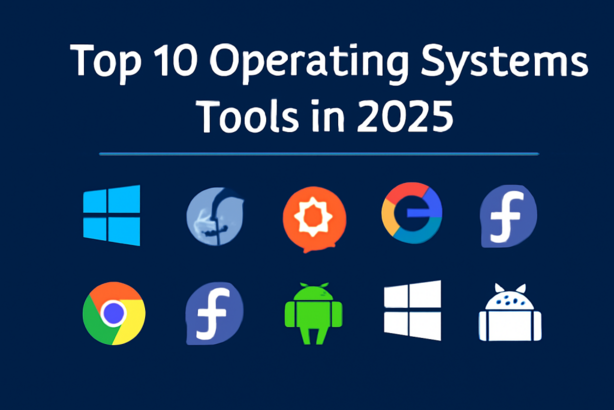
Top 10 Operating Systems Tools for 2025
1. Windows 11
- Short Description: The latest version of Microsoft’s flagship operating system designed for seamless performance, security, and compatibility across all devices.
- Key Features:
- Enhanced performance and speed optimization
- Advanced security features, including TPM 2.0 and secure boot
- Support for touch, pen, and voice inputs
- Modern UI with customizable widgets and virtual desktops
- Integrated Microsoft Teams for productivity
- Pros:
- Robust security features
- Seamless integration with Microsoft ecosystem
- Frequent updates and support
- Cons:
- High system requirements for optimal performance
- Limited customization in UI for advanced users
2. macOS Big Sur
- Short Description: macOS Big Sur brings a complete redesign to Apple’s operating system, focusing on visual and functional improvements.
- Key Features:
- Redesigned interface with a more streamlined look
- Advanced integration with Apple hardware
- Universal Control to control multiple devices seamlessly
- Enhanced privacy features and App Tracking Transparency
- Optimized performance for M1 Macs
- Pros:
- Seamless integration with Apple hardware and software
- Excellent security features
- Stable and reliable for creative professionals
- Cons:
- Only available on Apple devices
- Limited compatibility with non-Apple applications
3. Ubuntu 24.04 LTS
- Short Description: Ubuntu remains a top choice for Linux users, providing a stable, secure, and community-driven environment for developers and enterprises.
- Key Features:
- Long-term support (LTS) for 5 years
- Extensive support for cloud and containerized environments
- Access to a wide array of free open-source software
- Customizable to suit various user needs
- Built-in security tools like AppArmor and SELinux
- Pros:
- Open-source with a large community for support
- Highly customizable and flexible
- Excellent for server and cloud-based workloads
- Cons:
- Less user-friendly for beginners
- Compatibility issues with proprietary software
4. Red Hat Enterprise Linux (RHEL)
- Short Description: A highly stable and secure Linux distribution aimed at enterprise environments, RHEL is widely used for its scalability and support.
- Key Features:
- Advanced security and compliance features
- High performance and scalability
- Extensive software and hardware support
- 24/7 enterprise-level support
- Integrated container management with OpenShift
- Pros:
- Excellent for enterprise-level applications
- Strong security and compliance features
- Long-term support and updates
- Cons:
- Expensive subscription costs
- Steeper learning curve for new users
5. Chrome OS
- Short Description: Developed by Google, Chrome OS is a lightweight and cloud-centric operating system designed primarily for Chromebooks.
- Key Features:
- Lightweight and fast startup times
- Tight integration with Google services and apps
- Focus on cloud-based apps and storage
- Android app support for mobile productivity
- Frequent updates and security patches
- Pros:
- Fast and minimalistic design
- Excellent for educational and simple business use
- Seamless Google ecosystem integration
- Cons:
- Limited offline capabilities
- Lack of compatibility with traditional desktop applications
6. Fedora 36
- Short Description: Fedora is a cutting-edge, open-source Linux distribution aimed at developers, offering the latest software and features.
- Key Features:
- Focus on open-source and free software
- Updated frequently with the latest tech (including containers)
- Secure and reliable with SELinux by default
- Full support for cloud computing and enterprise environments
- Strong community-driven development
- Pros:
- Latest tech and cutting-edge features
- Strong focus on security and performance
- Great for developers and open-source enthusiasts
- Cons:
- Shorter lifecycle for updates
- Not as user-friendly as other distros
7. Android 14
- Short Description: Android 14 is the latest mobile operating system from Google, offering enhancements for both users and developers.
- Key Features:
- Improved battery management and power efficiency
- Enhanced privacy and security features
- Better integration with IoT and smart home devices
- Support for foldable and multi-screen devices
- Customization options for users
- Pros:
- Versatile and flexible for various devices
- Strong developer community
- Regular updates and feature additions
- Cons:
- Fragmentation across devices and manufacturers
- Some security features are dependent on device manufacturers
8. Windows Server 2025
- Short Description: Windows Server 2025 brings the next-generation server OS for large-scale enterprises, focusing on performance, security, and hybrid cloud capabilities.
- Key Features:
- Advanced hybrid cloud integration with Azure
- Support for containerized applications and microservices
- Enhanced security with Windows Defender and secure boot
- Improved management tools and user interface
- Support for remote desktop and virtual machines
- Pros:
- Enterprise-grade features and scalability
- Integrated with Microsoft Azure cloud ecosystem
- Powerful security and management tools
- Cons:
- Expensive for small businesses
- Requires high system resources
9. FreeBSD
- Short Description: FreeBSD is a free and open-source Unix-like operating system known for its stability, performance, and advanced networking features.
- Key Features:
- Strong focus on performance and scalability
- Comprehensive security features, including jail and secure mode
- Advanced networking capabilities
- Great for servers, embedded systems, and network applications
- Large community and excellent documentation
- Pros:
- Highly stable and secure
- Superior networking capabilities
- Flexible for various use cases (server, embedded systems)
- Cons:
- Steep learning curve for newcomers
- Limited compatibility with some Linux-based software
10. Android Things
- Short Description: A version of Android designed for IoT devices, offering developers an easy platform for building embedded systems.
- Key Features:
- Lightweight and optimized for IoT devices
- Integrated with Google services and Android APIs
- Secure and manageable environment for device fleets
- Frequent updates and cloud-based management tools
- Simple deployment and maintenance tools
- Pros:
- Best for IoT devices and embedded systems
- Strong integration with Google’s ecosystem
- Easy to deploy and manage across device fleets
- Cons:
- Limited to IoT use cases
- Dependent on Google’s ecosystem
Comparison Table
| Tool Name | Best For | Platform(s) Supported | Standout Feature | Pricing | Rating |
|---|---|---|---|---|---|
| Windows 11 | Home and business users | PC, Laptop | Seamless Microsoft ecosystem integration | Free with Windows license | 4.5/5 |
| macOS Big Sur | Creative professionals | Mac | Integration with Apple hardware | Paid (Mac devices only) | 4.7/5 |
| Ubuntu 24.04 LTS | Developers, Servers | Desktop, Server | Long-term support | Free | 4.6/5 |
| Red Hat Enterprise Linux | Enterprises | Servers, Workstations | Advanced security and compliance | Paid (Subscription) | 4.8/5 |
| Chrome OS | Students, Educators | Chromebook | Cloud-centric design | Free (Chromebook only) | 4.3/5 |
| Fedora 36 | Developers, Techies | Desktop, Server | Latest open-source technologies | Free | 4.5/5 |
| Android 14 | Mobile users | Smartphones, Tablets | Power-efficient features | Free | 4.6/5 |
| Windows Server 2025 | Large enterprises | Servers | Azure integration | Paid (Subscription) | 4.4/5 |
| FreeBSD | Network-focused setups | Servers, Embedded Systems | Networking capabilities | Free | 4.6/5 |
| Android Things | IoT and embedded systems | IoT devices | Optimized for IoT devices | Free | 4.2/5 |
Which Operating Systems Tool is Right for You?
Choosing the right operating system depends on several factors such as company size, budget, and specific needs. Here’s a quick guide:
- For individuals: Windows 11 or macOS Big Sur for productivity, entertainment, and seamless ecosystem integration.
- For developers: Ubuntu 24.04 LTS or Fedora 36 for flexibility, security, and open-source support.
- For enterprises: Red Hat Enterprise Linux or Windows Server 2025 for scalability, security, and support.
- For IoT development: Android Things or FreeBSD for efficient management of embedded devices.
Conclusion
Operating systems tools in 2025 are continuously evolving, offering robust performance, enhanced security, and seamless integration with cloud services. Whether you’re looking for a lightweight OS for personal use or an enterprise-grade solution, the right choice can significantly impact productivity and efficiency. Make sure to explore demos or free trials to find the best fit for your needs.
FAQs
- What is the best operating system for gaming?
- Windows 11 is often considered the best for gaming due to its compatibility with most games and high-performance features.
- Is macOS Big Sur better than Windows 11?
- It depends on your ecosystem preference. macOS is ideal for Apple hardware, while Windows 11 offers broader device compatibility.
- Can I use Ubuntu for gaming?
- While Ubuntu is great for development and server tasks, gaming on Linux-based OS is still limited compared to Windows.
- What’s the best OS for IoT devices?
- Android Things and FreeBSD are optimized for IoT applications, with Android Things being particularly suited for Google ecosystem integration.
- Which OS is most secure?
- Red Hat Enterprise Linux and FreeBSD are considered among the most secure, especially for server and networking environments.