MOTOSHARE 🚗🏍️
Turning Idle Vehicles into Shared Rides & Earnings
From Idle to Income. From Parked to Purpose.
Earn by Sharing, Ride by Renting.
Where Owners Earn, Riders Move.
Owners Earn. Riders Move. Motoshare Connects.
With Motoshare, every parked vehicle finds a purpose.
Owners earn. Renters ride.
🚀 Everyone wins.
Introduction
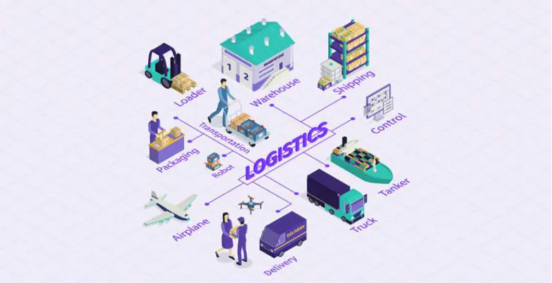
In today’s fast-paced world, logistics management has become a critical component for businesses across various industries. Logistics management tools streamline the process of planning, implementing, and controlling the efficient flow of goods, services, and information from the point of origin to the point of consumption. These tools allow businesses to optimize their supply chain, improve productivity, reduce costs, and enhance customer satisfaction.
As we move into 2025, logistics management tools are evolving with the integration of advanced technologies like AI, machine learning, and IoT, making them more powerful than ever before. Choosing the right logistics management software can be a game-changer for businesses, enabling them to scale operations, increase operational efficiency, and gain a competitive edge.
In this blog, we will explore the top 10 logistics management tools of 2025, including their features, pros, cons, and a comparison to help you find the right solution for your needs.
Top 10 Logistics Management Tools in 2025
1. Tool Name: Shipwell
Short Description:
Shipwell offers a comprehensive suite for managing logistics, enabling businesses to streamline shipments and track cargo. It’s an ideal tool for small and medium-sized enterprises (SMEs) looking for an affordable yet effective logistics solution.
Key Features:
- Real-time tracking of shipments
- Multi-modal transportation management
- Integration with ERP and accounting systems
- Carrier rate comparison tool
- Automated workflow and documentation
Pros:
- User-friendly interface
- Excellent customer support
- Affordable pricing plans for small businesses
Cons:
- Limited integration with third-party warehouse management systems
- Occasional glitches in real-time tracking updates
2. Tool Name: Oracle Logistics Management
Short Description:
Oracle’s Logistics Management system provides powerful end-to-end supply chain management, offering deep integrations across transportation, warehouse, and inventory management. This tool is designed for large enterprises with complex logistics operations.
Key Features:
- Advanced inventory and transportation management
- Predictive analytics using machine learning
- Global supply chain visibility
- Integration with Oracle Cloud applications
- Real-time reporting and dashboard
Pros:
- Robust and scalable
- Seamless integration with other Oracle products
- Powerful analytics and forecasting capabilities
Cons:
- High initial setup cost
- Steep learning curve for new users
3. Tool Name: SAP Integrated Business Planning (IBP)
Short Description:
SAP IBP is a comprehensive solution for supply chain management, providing tools for demand planning, sales forecasting, and logistics optimization. It’s suited for large global enterprises needing advanced capabilities for supply chain planning.
Key Features:
- Demand-driven supply chain management
- Integrated planning for demand, inventory, and transportation
- Machine learning-driven predictions
- Cloud-based and mobile accessible
- Real-time collaboration across teams
Pros:
- Highly customizable
- Strong integration with SAP ERP
- Supports global operations
Cons:
- Expensive for small businesses
- Requires significant implementation time
4. Tool Name: Transporeon
Short Description:
Transporeon is an all-in-one logistics platform that connects shippers and suppliers, enhancing supply chain visibility and performance. It’s a great choice for companies focusing on transportation management.
Key Features:
- Real-time transportation visibility
- Automated freight auditing and payment
- Carrier selection and tendering tools
- Shipment tracking and reporting
- Cost optimization via data analysis
Pros:
- Excellent transportation management features
- Real-time data tracking
- Integration with multiple ERP systems
Cons:
- Best suited for mid to large-sized companies
- Can be overwhelming due to its extensive feature set
5. Tool Name: Manhattan Associates Warehouse Management System (WMS)
Short Description:
Manhattan Associates’ WMS is designed to optimize warehouse operations, inventory management, and order fulfillment. It’s ideal for companies that focus on warehousing as a key part of their logistics strategy.
Key Features:
- Real-time inventory tracking
- Automated order picking and sorting
- Slotting optimization for faster picking
- Multi-channel order fulfillment
- Robust reporting and analytics
Pros:
- Excellent for warehouse-centric logistics
- Scalable to meet business growth
- Strong inventory management capabilities
Cons:
- Expensive
- Setup and configuration can be time-consuming
6. Tool Name: Zoho Inventory
Short Description:
Zoho Inventory is a cloud-based inventory management software with logistics features. It helps businesses automate stock management, order fulfillment, and shipping, making it perfect for SMEs.
Key Features:
- Multi-channel inventory management
- Automated purchase orders and stock alerts
- Integration with popular marketplaces and shipping carriers
- Barcode scanning for faster processing
- Real-time stock tracking
Pros:
- Easy to use and set up
- Affordable for small businesses
- Seamless integration with other Zoho products
Cons:
- Lacks advanced features for large enterprises
- Limited customization options
7. Tool Name: 3PL Warehouse Manager
Short Description:
This tool is a cloud-based warehouse management system designed specifically for third-party logistics providers (3PLs). It simplifies warehouse operations, shipping, and tracking for logistics companies.
Key Features:
- Real-time inventory tracking
- Customizable reporting
- Barcode and RFID support
- Order management and tracking
- Integration with major shipping carriers
Pros:
- Ideal for 3PL providers
- Flexible and customizable
- Easy to scale as the business grows
Cons:
- Requires a learning curve for new users
- Limited integrations with some older ERP systems
8. Tool Name: Cargowise
Short Description:
Cargowise is an international logistics platform that connects freight forwarders, customs brokers, and transport operators. It offers a comprehensive suite of tools for managing international shipments.
Key Features:
- Freight forwarding management
- Customs brokerage tools
- Multi-modal transportation options
- End-to-end shipment visibility
- Advanced reporting and analytics
Pros:
- Strong international focus
- Easy integration with customs systems
- Scalable for large freight companies
Cons:
- Expensive
- May not be suitable for smaller businesses
9. Tool Name: Locus
Short Description:
Locus is an AI-powered logistics management platform designed for route optimization, delivery planning, and fleet management. It’s ideal for businesses with large delivery fleets.
Key Features:
- AI-driven route optimization
- Real-time delivery tracking
- Automated dispatching
- Fleet management and maintenance tracking
- Customizable reporting
Pros:
- Excellent for route optimization
- AI-driven technology helps reduce costs
- Supports last-mile delivery management
Cons:
- Best suited for companies with large delivery fleets
- May require significant training for employees
10. Tool Name: Katanacuts
Short Description:
Katanacuts is an advanced logistics management tool offering specialized features for inventory tracking and shipping optimization. It’s perfect for tech-savvy businesses in need of high-performance logistics solutions.
Key Features:
- Advanced inventory tracking
- Automated shipping solutions
- Integration with APIs for custom workflows
- Machine learning-driven insights
- Customizable user interface
Pros:
- Great for high-volume businesses
- Fast processing and tracking
- Integration with a wide range of applications
Cons:
- Complex setup for first-time users
- High learning curve
Comparison Table
| Tool Name | Best For | Platform(s) Supported | Standout Feature | Pricing | G2 Rating |
|---|---|---|---|---|---|
| Shipwell | Small to medium businesses | Web, iOS, Android | Affordable and easy to use | Starts at $39 | 4.5 |
| Oracle Logistics | Large enterprises | Web, Cloud | Advanced analytics and forecasting | Custom pricing | 4.6 |
| SAP IBP | Global enterprises | Cloud, Web | Machine learning-driven planning | Custom pricing | 4.7 |
| Transporeon | Mid to large businesses | Web, iOS, Android | Real-time visibility | Custom pricing | 4.4 |
| Manhattan WMS | Warehouse-centric logistics | Web, iOS, Android | Warehouse optimization | Custom pricing | 4.3 |
| Zoho Inventory | Small businesses | Web, iOS, Android | Affordable and intuitive | Free/$39 | 4.2 |
| 3PL Warehouse Manager | 3PL providers | Web, Cloud | Customizable reporting | Custom pricing | 4.5 |
| Cargowise | Freight forwarders | Web, Cloud | International shipping tools | Custom pricing | 4.8 |
| Locus | Delivery fleets | Web, iOS, Android | Route optimization with AI | Custom pricing | 4.6 |
| Katanacuts | High-volume businesses | Web, Cloud | Advanced shipping optimization | Custom pricing | 4.4 |
Which Logistics Management Tool is Right for You?
Choosing the right logistics management tool depends on your company’s size, budget, and specific logistics needs. Here’s a simple guide to help you decide:
- For Small to Medium Businesses:
Zoho Inventory or Shipwell offer affordable solutions with essential logistics features and user-friendly interfaces. - For Large Enterprises with Complex Logistics:
Oracle Logistics Management or SAP IBP are ideal, providing advanced analytics, global supply chain visibility, and powerful forecasting tools. - For Warehousing Operations:
If your focus is on warehouse management, consider Manhattan Associates WMS or 3PL Warehouse Manager for their excellent inventory and order fulfillment features. - For Delivery and Route Optimization:
If your business requires last-mile delivery optimization, Locus is an excellent choice with AI-driven route optimization capabilities.
Conclusion
The logistics management landscape is evolving rapidly with technological advancements, and the tools mentioned above are at the forefront of this revolution. By incorporating one of these tools into your operations, you can improve efficiency, reduce costs, and stay ahead in the competitive logistics space. As 2025 approaches, it’s important to explore these tools, take advantage of free trials or demos, and find the right fit for your logistics needs.
FAQs
1. What is logistics management software?
Logistics management software helps businesses manage the flow of goods, services, and information across the supply chain, optimizing transportation, inventory, and warehouse operations.
2. Which is the best logistics management tool for small businesses?
Zoho Inventory and Shipwell are great options for small businesses due to their affordability and ease of use.
3. How do I choose the right logistics management tool?
Consider your business size, industry, budget, and specific logistics needs to determine which tool offers the best features, scalability, and support.
4. Are these logistics tools compatible with other systems?
Most of the tools mentioned in this blog offer integration with popular ERP, CRM, and shipping platforms.
5. Do these tools offer mobile support?
Yes, most of the top logistics management tools offer mobile applications for on-the-go tracking and management.