MOTOSHARE 🚗🏍️
Turning Idle Vehicles into Shared Rides & Earnings
From Idle to Income. From Parked to Purpose.
Earn by Sharing, Ride by Renting.
Where Owners Earn, Riders Move.
Owners Earn. Riders Move. Motoshare Connects.
With Motoshare, every parked vehicle finds a purpose.
Owners earn. Renters ride.
🚀 Everyone wins.
Introduction
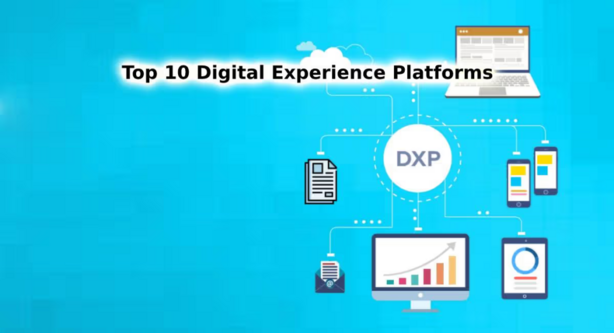
In 2025, delivering seamless, personalized, and engaging digital experiences is no longer a luxury—it’s a necessity. This is where Digital Experience Platforms (DXP) come into play. DXPs are integrated software frameworks that allow organizations to create, manage, deliver, and optimize personalized content and digital experiences across multiple channels—web, mobile, IoT, and more.
As customer expectations continue to evolve, businesses in every industry must embrace tools that enable omnichannel engagement, AI-powered personalization, and real-time analytics. Whether you’re in retail, healthcare, finance, or education, the right DXP can transform how you engage with users and drive revenue growth.
In this blog, we explore the Top 10 Digital Experience Platforms (DXP) Tools in 2025, analyzing their features, advantages, drawbacks, and best-use cases—helping you make an informed decision.
Top 10 Digital Experience Platforms (DXP) Tools in 2025
1. Adobe Experience Manager (AEM)
Short Description: Adobe Experience Manager is a comprehensive DXP ideal for enterprises seeking deep personalization and seamless content delivery across channels.
Key Features:
- AI-driven content automation with Adobe Sensei
- Advanced digital asset management (DAM)
- Headless and hybrid CMS support
- Seamless integration with Adobe Creative Cloud
- Real-time customer profiling
- Cloud-native architecture
- Multilingual content management
Pros:
- Industry-leading personalization and AI
- Scalable for global enterprises
Cons:
- Expensive licensing
- Steep learning curve
2. Sitecore XM Cloud
Short Description: Sitecore XM Cloud offers a modern, composable DXP for brands focused on flexibility, modularity, and speed to market.
Key Features:
- Headless CMS and composable architecture
- Personalization and testing tools
- Deep integration with Microsoft Azure
- Real-time analytics
- Drag-and-drop content builder
- Integrated DAM and CDP
Pros:
- Modular and API-first
- Strong personalization and testing tools
Cons:
- Can be costly for mid-sized firms
- Some features require add-ons
3. Acquia Digital Experience Platform
Short Description: Acquia DXP is built on Drupal and offers robust open-source flexibility with enterprise-grade features.
Key Features:
- Open-source CMS (Drupal)
- AI personalization (Acquia Lift)
- Integrated marketing automation
- Customer data platform (CDP)
- Multisite management
- Cloud hosting and security
Pros:
- Highly flexible and scalable
- Strong open-source community
Cons:
- Complex for non-technical users
- Requires DevOps expertise
4. Liferay DXP
Short Description: Liferay DXP is a powerful platform known for building customer portals and intranets, especially in regulated industries.
Key Features:
- Portal-style content delivery
- Role-based access and permissions
- Modular, extensible architecture
- B2B personalization tools
- Integration-friendly with legacy systems
- Workflow and forms builder
Pros:
- Ideal for enterprise portals
- Strong on security and access control
Cons:
- Less focused on marketing features
- UI can feel dated
5. Kentico Xperience
Short Description: Kentico Xperience is a hybrid CMS and DXP that balances usability and enterprise-level features.
Key Features:
- Integrated CMS, e-commerce, and marketing
- Smart content personalization
- Modular architecture
- Visual page builder
- Multilingual support
- GDPR-compliant features
Pros:
- Cost-effective for mid-market businesses
- Intuitive interface
Cons:
- Smaller ecosystem
- Limited scalability for very large enterprises
6. Bloomreach Experience (brX)
Short Description: Bloomreach combines content, commerce, and AI-powered search in one composable digital experience platform.
Key Features:
- AI-driven product discovery
- Headless CMS
- Real-time personalization
- CDP and segmentation tools
- Marketing automation integration
- Multichannel delivery
Pros:
- Excellent for eCommerce
- Strong AI/ML features
Cons:
- Steep learning curve for smaller teams
- Limited outside commerce use cases
7. Optimizely (formerly Episerver)
Short Description: Optimizely blends experimentation and CMS capabilities for businesses focused on continuous optimization.
Key Features:
- A/B testing and experimentation
- Headless and decoupled CMS
- E-commerce and marketing automation
- Content recommendations engine
- Workflow and collaboration tools
Pros:
- Great for experimentation-heavy brands
- User-friendly interface
Cons:
- Pricing not transparent
- May require plugins for full DXP functionality
8. Oracle Content Management (Oracle DXP)

Short Description: Oracle DXP provides a unified platform for digital content and customer data—best for large enterprises already using Oracle.
Key Features:
- Cloud-native content management
- Omnichannel delivery
- Deep integration with Oracle CX
- Video management
- AI-powered insights
- Strong compliance support
Pros:
- Powerful for data-driven organizations
- Enterprise-grade security
Cons:
- Complex setup
- Cost-prohibitive for SMBs
9. SAP Customer Experience (SAP CX)

Short Description: SAP CX is a comprehensive suite focused on data-driven digital commerce and customer engagement.
Key Features:
- Commerce and content integration
- AI/ML-based recommendations
- GDPR and compliance tools
- Unified customer view
- B2B/B2C compatibility
- Scalable cloud infrastructure
Pros:
- Excellent for retail and manufacturing
- Strong data analytics tools
Cons:
- Steep learning curve
- Expensive licensing
10. Contentful
Short Description: Contentful is a modern headless CMS/DXP that empowers developers and marketers with API-first architecture.
Key Features:
- Headless content delivery
- App framework and SDKs
- Localization and translation
- Roles and permissions
- GraphQL and REST API
- Cloud-native infrastructure
Pros:
- Fast deployment
- Developer-friendly
Cons:
- Limited built-in personalization
- May require external tools for full DXP experience
Comparison Table
| Tool Name | Best For | Platform(s) Supported | Standout Feature | Pricing | G2/Capterra Rating |
|---|---|---|---|---|---|
| Adobe AEM | Enterprises & Agencies | Web, Mobile, IoT | AI-driven personalization | Starts at $100K+ | 4.3/5 (G2) |
| Sitecore XM Cloud | Composable architecture seekers | Web, Mobile, Headless | Modular DX architecture | Custom pricing | 4.1/5 (G2) |
| Acquia DXP | Drupal-based enterprises | Web, Multisite, Open CMS | Open-source with enterprise CDP | Starts at $50K+ | 4.4/5 (G2) |
| Liferay DXP | B2B portals and intranets | Web, Desktop | Enterprise portal builder | Free / Starts at $35K | 4.2/5 (G2) |
| Kentico Xperience | SMBs & mid-sized companies | Web, Mobile | All-in-one CMS + Marketing | Starts at $10K | 4.5/5 (G2) |
| Bloomreach brX | eCommerce & Retail | Headless, Mobile, Web | AI for product discovery | Custom | 4.6/5 (G2) |
| Optimizely | Testing-heavy organizations | Web, Mobile | Built-in experimentation | Custom | 4.3/5 (G2) |
| Oracle DXP | Oracle ecosystem enterprises | Web, Cloud, Mobile | Unified CX data + content | Custom (high-end) | 4.0/5 (G2) |
| SAP CX | B2B/B2C at enterprise scale | Cloud, Web | AI + full-stack engagement | Starts at $60K+ | 4.2/5 (G2) |
| Contentful | Developer-first teams | Headless, Web, IoT | API-first infrastructure | Free / Paid plans | 4.6/5 (G2) |
Which Digital Experience Platform (DXP) Tool is Right for You?
For Enterprises: Choose Adobe AEM, Oracle DXP, or SAP CX if you need end-to-end personalization, compliance, and global scalability.
For Mid-sized Businesses: Opt for Kentico Xperience or Liferay DXP for a budget-friendly balance of CMS, personalization, and eCommerce.
For Developers: Go with Contentful or Bloomreach if you prioritize speed, flexibility, and headless infrastructure.
For eCommerce Brands: Bloomreach and Optimizely offer excellent tools for product discovery and conversion optimization.
For Open-Source Lovers: Acquia DXP built on Drupal offers enterprise-grade open-source performance.
For Modular Thinkers: Sitecore XM Cloud is ideal if you’re building a composable, API-first stack.
Conclusion
Digital Experience Platforms (DXPs) in 2025 are more powerful, flexible, and integrated than ever. With customer journeys becoming increasingly dynamic and omnichannel, businesses need platforms that offer scalability, real-time personalization, and data-driven insights.
Whether you’re a fast-growing startup or a global enterprise, the right DXP can radically transform your digital presence and customer engagement. Use this guide to evaluate your needs and start with a demo or free trial where available.
FAQs
Q1: What is a Digital Experience Platform (DXP)?
A DXP is an integrated suite of technologies that enables businesses to manage, personalize, and deliver content-rich digital experiences across channels like web, mobile, and social media.
Q2: How is a DXP different from a CMS?
A CMS focuses on content management, while a DXP includes content, personalization, analytics, customer data, and multichannel delivery in a unified platform.
Q3: What industries use DXPs the most?
Retail, banking, healthcare, education, and B2B sectors often use DXPs to manage customer portals, eCommerce platforms, and engagement tools.
Q4: Are DXPs only for large enterprises?
No. While many DXPs cater to large businesses, platforms like Kentico and Contentful are well-suited for SMBs and startups.
Q5: Can I integrate a DXP with my existing tech stack?
Yes, most modern DXPs offer API-first or headless capabilities, allowing seamless integration with CRM, ERP, analytics, and marketing tools.