MOTOSHARE 🚗🏍️
Turning Idle Vehicles into Shared Rides & Earnings
From Idle to Income. From Parked to Purpose.
Earn by Sharing, Ride by Renting.
Where Owners Earn, Riders Move.
Owners Earn. Riders Move. Motoshare Connects.
With Motoshare, every parked vehicle finds a purpose.
Owners earn. Renters ride.
🚀 Everyone wins.
Introduction
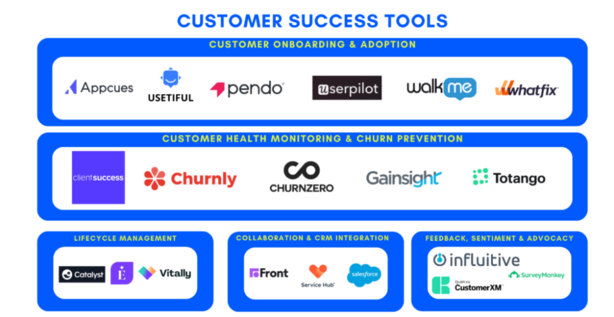
In 2025, the customer success landscape is evolving rapidly. As businesses continue to focus on delivering exceptional experiences to retain customers, customer success tools have become an integral part of the strategy. These tools help businesses manage their relationships with customers, improve user satisfaction, and drive long-term engagement by predicting needs, resolving issues, and delivering personalized experiences.
Customer success tools, also known as customer engagement or relationship management platforms, are crucial for fostering customer loyalty, which ultimately leads to sustained revenue growth. Whether you’re a small startup or a large enterprise, having the right customer success software can streamline your processes and improve overall satisfaction levels.
When choosing a customer success tool, businesses should consider factors like scalability, ease of integration, features like automation and analytics, and the tool’s ability to personalize customer experiences. In this blog, we’ll explore the top 10 customer success tools in 2025 to help you choose the one that best suits your needs.
Top 10 Customer Success Tools in 2025
1. Gainsight
Short Description:
Gainsight is a leading customer success platform, designed to drive customer retention, reduce churn, and help businesses grow their customer base. It focuses on understanding customer health scores and creating actionable insights for success teams.
Key Features:
- Customer health tracking and predictive analytics
- Actionable insights and reporting
- Integrations with Salesforce, HubSpot, and other platforms
- Automated workflows and alerts
- Customer segmentation and journey mapping
Pros:
- Powerful analytics and data-driven insights
- Great integration capabilities
- Helps proactively manage customer relationships
Cons:
- Can be overwhelming for new users due to its feature-rich nature
- Pricing can be high for smaller businesses
2. ChurnZero
Short Description:
ChurnZero offers a robust set of tools to help businesses reduce churn, improve customer retention, and drive engagement. Its platform focuses on delivering personalized customer experiences at scale.
Key Features:
- Real-time customer data tracking
- Churn prediction and prevention
- Customer health monitoring
- Automated engagement campaigns
- Segmentation for personalized messaging
Pros:
- Excellent at churn prediction
- Intuitive user interface
- Real-time insights for customer support teams
Cons:
- Integration options are limited compared to other tools
- Might not be suitable for very small businesses
3. Zendesk
Short Description:
Zendesk is a customer service software tool that provides everything from ticketing and live chat to self-service options. It’s especially powerful for managing large volumes of customer inquiries and support tickets.
Key Features:
- Omnichannel support (email, chat, phone, social media)
- Automated ticket routing and prioritization
- Knowledge base and community forums
- Reporting and analytics
- Customizable workflows
Pros:
- Excellent for managing support teams and handling high volumes of customer inquiries
- Comprehensive suite with chat, email, and social media support
- User-friendly interface
Cons:
- Can be pricey for small businesses
- Some customization options can be difficult to implement
4. HubSpot Service Hub
Short Description:
HubSpot’s Service Hub is a customer service and success tool that offers everything from ticketing and help desk features to customer feedback tools and knowledge bases. It integrates seamlessly with HubSpot’s CRM.
Key Features:
- Ticketing system and customer feedback collection
- Knowledge base and community forums
- Automation workflows
- Customer surveys and reporting
- Integration with HubSpot CRM
Pros:
- Great for businesses already using HubSpot CRM
- Easy-to-use interface with strong reporting features
- Comprehensive feature set at an affordable price
Cons:
- Some advanced features are only available on higher-tier plans
- Limited customization options
5. Freshdesk
Short Description:
Freshdesk is a widely used customer support tool that also provides customer success features. It helps businesses with ticket management, collaboration, automation, and reporting.
Key Features:
- Multi-channel ticket management
- SLA management
- Customizable dashboards and reporting
- Knowledge base for self-service
- Automation for repetitive tasks
Pros:
- Affordable pricing structure
- Great user experience and ease of setup
- Powerful integrations with other tools
Cons:
- Limited features on lower-tier plans
- Not as comprehensive as some larger platforms
6. Totango
Short Description:
Totango is an enterprise-grade customer success platform that helps teams engage with customers throughout their lifecycle to drive satisfaction, retention, and expansion.
Key Features:
- Customer segmentation
- Health scoring and success tracking
- Automated workflows
- Customer journey mapping
- Integration with Salesforce and other CRMs
Pros:
- Highly customizable for larger enterprises
- Excellent reporting and analytics
- Strong support and training resources
Cons:
- Pricing may be too high for smaller companies
- Steep learning curve for new users
7. CustomerSuccessBox
Short Description:
CustomerSuccessBox is a customer success tool that is designed for SaaS businesses to manage customer health, engagement, and growth. It emphasizes actionable insights and helps teams focus on high-value customers.
Key Features:
- Customer health scoring
- Churn prediction
- Real-time alerts for customer activities
- Segmentation based on data insights
- Automated workflow management
Pros:
- Easy to use for SaaS businesses
- Real-time customer activity monitoring
- Great for proactive customer success management
Cons:
- Limited integrations with other platforms
- The platform might feel too basic for large enterprises
8. Intercom
Short Description:
Intercom is an all-in-one customer messaging platform with tools for customer support, live chat, and automated workflows, ideal for improving customer relationships and user engagement.
Key Features:
- Live chat and messaging support
- In-app messaging and notifications
- Helpdesk and ticketing system
- Customer segmentation
- Automated workflows and bots
Pros:
- Excellent for real-time communication and engagement
- Highly customizable
- Great for both small businesses and large enterprises
Cons:
- Pricing can get expensive as your business grows
- Can be overwhelming with too many features
9. WalkMe
Short Description:
WalkMe provides digital adoption and customer success tools that help businesses guide users through product onboarding, troubleshooting, and support.
Key Features:
- Onboarding automation
- In-app guidance and tooltips
- Analytics on user behavior
- Customizable training paths
- Integration with existing platforms
Pros:
- Excellent for product onboarding and training
- High degree of customization
- Improves user engagement and adoption
Cons:
- Not ideal for smaller businesses or simpler customer success needs
- Can be difficult to implement for complex products
10. Kustomer
Short Description:
Kustomer is a customer service and success platform that unifies all customer interactions across channels. It’s designed for omnichannel support and customer management.
Key Features:
- Omnichannel messaging (SMS, email, chat, etc.)
- Customer data management in a single timeline
- Automated workflows and bots
- Advanced reporting and analytics
- CRM integration with Salesforce
Pros:
- Unifies customer data for a 360-degree view
- Powerful automation and workflow tools
- Great for omnichannel customer service
Cons:
- Pricing may be high for small businesses
- Some integrations can be complex to set up
Comparison Table
| Tool Name | Best For | Platform(s) Supported | Standout Feature | Pricing | G2/Capterra Rating |
|---|---|---|---|---|---|
| Gainsight | Enterprises | Web-based | Predictive analytics & health scores | Custom pricing | 4.5/5 |
| ChurnZero | SaaS businesses | Web-based | Churn prediction | Starts at $99/mo | 4.6/5 |
| Zendesk | Large businesses | Web, iOS, Android | Omnichannel support | Starts at $5/mo | 4.4/5 |
| HubSpot Service | SMBs and Enterprises | Web-based | CRM integration | Free / Paid Plans | 4.7/5 |
| Freshdesk | Small to mid-sized | Web, iOS, Android | Ticketing system | Starts at $15/mo | 4.6/5 |
| Totango | Large Enterprises | Web-based | Customer health tracking | Custom pricing | 4.4/5 |
| CustomerSuccessBox | SaaS businesses | Web-based | Real-time alerts | Custom pricing | 4.3/5 |
| Intercom | SMBs to Enterprises | Web, iOS, Android | Real-time messaging | Starts at $39/mo | 4.5/5 |
| WalkMe | SaaS businesses | Web-based | Digital adoption | Custom pricing | 4.5/5 |
| Kustomer | Omnichannel support | Web-based | Unified customer data | Custom pricing | 4.6/5 |
Which Customer Success Tool is Right for You?
Choosing the right customer success tool depends on your business size, industry, and specific needs. Here’s a quick guide:
- Small Businesses & Startups: HubSpot Service Hub, Freshdesk, or Intercom are great for ease of use and affordability.
- SaaS Businesses: ChurnZero, CustomerSuccessBox, and WalkMe are highly effective for managing churn and ensuring customer retention.
- Large Enterprises: Gainsight, Totango, and Kustomer offer robust analytics and omnichannel support for businesses looking to scale.
Conclusion
As we look toward 2025, customer success tools are becoming increasingly important in shaping the customer experience. By leveraging these platforms, businesses can proactively manage their customer relationships, improve retention, and drive growth. Each of the tools listed in this post offers unique features, so choose the one that best aligns with your business size, goals, and budget.
FAQs
- What are customer success tools?
Customer success tools help businesses manage customer relationships, improve retention, and drive customer engagement by providing actionable insights and predictive analytics. - How do I choose the best customer success tool?
Consider factors like your company size, the platform’s integrations, user-friendliness, scalability, and budget when selecting the best tool for your business. - Are customer success tools suitable for all businesses?
Yes, but the best tool will depend on your industry, team size, and goals. SaaS businesses may need more advanced tools like ChurnZero or Totango, while SMBs can benefit from platforms like Freshdesk or HubSpot Service Hub.