MOTOSHARE 🚗🏍️
Turning Idle Vehicles into Shared Rides & Earnings
From Idle to Income. From Parked to Purpose.
Earn by Sharing, Ride by Renting.
Where Owners Earn, Riders Move.
Owners Earn. Riders Move. Motoshare Connects.
With Motoshare, every parked vehicle finds a purpose.
Owners earn. Renters ride.
🚀 Everyone wins.
Introduction
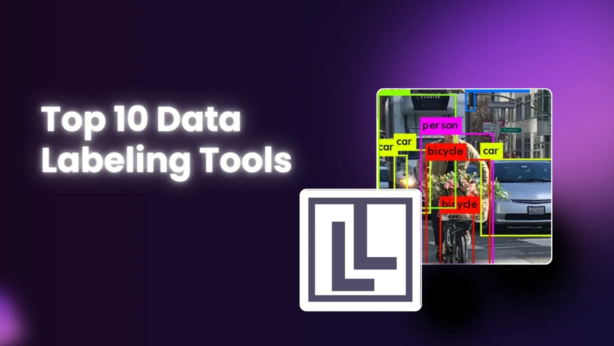
AI data labeling services are essential tools for machine learning (ML) and artificial intelligence (AI) projects. These tools help convert raw data, such as images, text, and audio, into structured data that AI models can use for training. In 2025, the demand for accurate and efficient data labeling is greater than ever, with industries relying on labeled data to enhance model accuracy and performance across a range of applications from self-driving cars to healthcare solutions.
Data labeling services provide accurate annotations and classifications, which are crucial in training AI systems to recognize patterns, make predictions, and perform tasks autonomously. With the rise of complex machine learning models, the need for precise data labeling becomes even more critical.
When selecting the best AI data labeling tool, users should consider factors such as scalability, ease of use, integration with existing systems, accuracy, and cost-efficiency. Additionally, the ability to handle various data types (images, videos, text, audio) and offer customizable workflows is essential for companies operating in dynamic environments.
In this blog post, we’ll explore the top 10 AI Data Labeling services tools for 2025 and compare their features, pros, and cons to help you choose the right solution for your needs.
Top 10 AI Data Labeling Services Tools for 2025
1. Labelbox
Short Description:
Labelbox is a leading AI data labeling tool that provides end-to-end data labeling services for a variety of use cases. It enables businesses to streamline the process of preparing training data for machine learning models with tools for image, video, text, and geospatial data labeling.
Key Features:
- Supports multi-type data labeling (images, videos, text, and more)
- AI-assisted labeling to speed up manual annotation
- Customizable workflows and project management tools
- Real-time collaboration features
- Integration with various cloud services
- Quality assurance tools with automated reviews
Pros & Cons:
Pros:
- Scalable for enterprise needs
- AI-assisted automation improves speed and accuracy
- Customizable workflows
Cons:
- Higher pricing for small businesses
- Steeper learning curve for new users
Official Website: Labelbox
2. Scale AI
Short Description:
Scale AI provides data labeling services with a focus on high-quality, scalable AI training datasets. It specializes in providing tailored labeling services across industries like automotive, e-commerce, and healthcare.
Key Features:
- High accuracy with human-in-the-loop data labeling
- Supports large-scale data sets
- Integration with popular ML frameworks
- Customizable labels for specific projects
- Automated data quality assurance
- Seamless API integrations
Pros & Cons:
Pros:
- Excellent quality assurance tools
- Reliable for high-volume labeling
- Good customer support
Cons:
- Expensive for small projects
- Limited for non-enterprise use cases
Official Website: Scale AI
3. Amazon SageMaker Ground Truth
Short Description:
Amazon SageMaker Ground Truth is a powerful tool for building highly accurate machine learning datasets. It allows users to create training datasets from raw data through both human labeling and machine-assisted labeling.
Key Features:
- Integrated with AWS ecosystem
- Active learning model to reduce labeling costs
- Access to a wide variety of human labelers
- Efficient for large-scale data sets
- Secure and compliant with industry standards
Pros & Cons:
Pros:
- Seamless integration with AWS services
- Cost-effective for large datasets
- Supports complex ML projects
Cons:
- Limited customization options
- Best suited for AWS users only
Official Website: Amazon SageMaker Ground Truth
4. SuperAnnotate
Short Description:
SuperAnnotate provides advanced AI data labeling services with a focus on computer vision tasks, including object detection, image segmentation, and more. It is suitable for businesses working with visual data.
Key Features:
- Supports image and video annotations
- AI-assisted annotation tools
- Collaborations and review workflows
- Multi-team functionality for large projects
- Customizable project management tools
Pros & Cons:
Pros:
- Ideal for computer vision and image-based projects
- Efficient project management and collaboration tools
- High-quality annotations
Cons:
- Focused more on image/video data
- Price may be high for smaller teams
Official Website: SuperAnnotate
5. CloudFactory
Short Description:
CloudFactory is a versatile AI data labeling service offering a combination of human-in-the-loop and AI-assisted labeling. It specializes in text, image, and video data labeling with a high focus on quality control.
Key Features:
- Hybrid labeling model (AI and human-in-the-loop)
- Scalable with flexible pricing
- Integration with other ML tools
- Data security and compliance features
- Efficient workflows and easy-to-use interface
Pros & Cons:
Pros:
- Ideal for scalable labeling projects
- Provides high-quality labeled data
- Flexible pricing
Cons:
- May require technical knowledge to set up
- Limited for industries outside of text and image data
Official Website: CloudFactory
6. Playment
Short Description:
Playment provides AI data labeling services that include annotations for images, video, and geospatial data. Its AI-powered platform helps businesses accelerate model training by delivering high-quality labeled data.
Key Features:
- Supports large-scale data labeling
- Geospatial and video annotation capabilities
- Real-time collaboration and project management tools
- Pre-labeled data for quick setup
- Cost-effective for medium to large projects
Pros & Cons:
Pros:
- Scalable for enterprise projects
- Good for visual and geospatial data
- User-friendly interface
Cons:
- Limited support for text-based data
- Can get costly with larger projects
Official Website: Playment
7. Hive
Short Description:
Hive offers AI-powered data labeling services with a focus on machine learning and computer vision use cases. It provides human-assisted labeling to create high-quality datasets for various industries.
Key Features:
- High-quality visual and textual data labeling
- Pre-built labeling models for rapid deployment
- Automated quality control and data validation
- Large-scale capacity
- Integration with machine learning platforms
Pros & Cons:
Pros:
- Excellent AI-assisted tools for fast annotation
- Strong data validation
- Seamless ML integration
Cons:
- Best suited for larger enterprises
- Limited customization for smaller projects
Official Website: Hive
8. LabelImg
Short Description:
LabelImg is an open-source, free AI data labeling tool designed for object detection tasks. It’s an excellent choice for developers and small teams looking for a basic yet powerful tool to annotate images.
Key Features:
- Open-source and free to use
- Simple image annotation interface
- Supports popular formats (e.g., Pascal VOC, YOLO)
- Easy to integrate into machine learning pipelines
Pros & Cons:
Pros:
- Free and open-source
- Simple, easy-to-use interface
- Good for small projects
Cons:
- Lacks advanced features of paid platforms
- Limited support for other types of data
Official Website: LabelImg
9. Slyce
Short Description:
Slyce is a unique AI data labeling platform that focuses on barcode and QR code annotation. It’s ideal for e-commerce businesses or industries that need high accuracy in scanning and recognizing product identifiers.
Key Features:
- Specialized in barcode and QR code annotations
- Real-time collaboration features
- Robust AI-assisted tools for speed
- High-quality data validation
Pros & Cons:
Pros:
- Niche tool for specific industries
- Fast, accurate barcode/QR code recognition
- Supports large-scale projects
Cons:
- Limited to barcode/QR code data
- Not ideal for other types of data annotation
Official Website: Slyce
10. Dataturks
Short Description:
Dataturks offers AI data labeling services for text, images, and audio data. It’s a flexible platform suitable for enterprises and smaller businesses alike, with features for team collaboration and workflow customization.
Key Features:
- Supports text, image, and audio annotations
- Collaborative project management tools
- Easy integration with machine learning workflows
- Real-time quality control and feedback mechanisms
- Customizable workflows for different industries
Pros & Cons:
Pros:
- Versatile tool for various data types
- Cost-effective for smaller teams
- Customizable for different industries
Cons:
- Lacks some advanced AI features of competitors
- More suitable for medium-sized teams
Official Website: Dataturks
Comparison Table
| Tool Name | Best For | Platform(s) Supported | Standout Feature | Pricing | Rating |
|---|---|---|---|---|---|
| Labelbox | Large enterprises | Web, Cloud | Customizable workflows | Custom | 4.5/5 (Trustpilot) |
| Scale AI | High-volume projects | Web, Cloud | AI-assisted automation | Custom | 4.7/5 (G2) |
| SageMaker Ground Truth | AWS users | AWS | Seamless AWS integration | Starts at $0 | 4.4/5 (Capterra) |
| SuperAnnotate | Visual data labeling | Web, Cloud | Focus on computer vision | Custom | 4.6/5 (Trustpilot) |
| CloudFactory | Text, image, and video data | Web, Cloud | Hybrid AI and human model | Custom | 4.3/5 (Trustpilot) |
| Playment | Visual and geospatial data | Web | Real-time collaboration | Custom | 4.5/5 (G2) |
| Hive | Computer vision projects | Web, Cloud | AI-assisted labeling | Custom | 4.6/5 (G2) |
| LabelImg | Small teams and developers | Desktop | Free and open-source | Free | 4.0/5 (Trustpilot) |
| Slyce | Barcode and QR code labeling | Web | Barcode/QR code focus | Custom | 4.3/5 (Trustpilot) |
| Dataturks | Small to medium teams | Web, Cloud | Text, audio, and image | Custom | 4.2/5 (Capterra) |
Which AI Data Labeling Service Tool is Right for You?
- For large-scale enterprises that need robust data labeling solutions, Labelbox, Scale AI, and SageMaker Ground Truth are ideal choices. These platforms offer scalability and integration with popular ML frameworks and cloud environments.
- For teams focused on computer vision, SuperAnnotate and Hive stand out with their specialized features in visual data annotation.
- For smaller teams or budget-conscious companies, LabelImg and Dataturks offer affordable and easy-to-use platforms for text and image labeling.
- For niche industries like e-commerce, Slyce offers specialized tools for barcode and QR code labeling.
Conclusion
AI data labeling services are crucial in 2025 for businesses and industries aiming to build high-quality machine learning models. Choosing the right tool depends on your specific requirements, such as the type of data you’re working with, the scale of your project, and your budget. Whether you’re a large enterprise or a small team, there are AI data labeling solutions available to streamline your machine learning workflows.
Explore demos or free trials to find the perfect fit for your needs and stay ahead in the evolving world of AI.
FAQs
- What are AI data labeling services?
- AI data labeling services are tools that help annotate raw data to make it usable for machine learning models.
- What industries use data labeling services?
- Industries like automotive, healthcare, finance, and e-commerce use data labeling services for AI model training.
- Can I use AI data labeling tools for small projects?
- Yes, some tools like LabelImg and Dataturks are well-suited for small to medium-sized projects.
- Are there free data labeling tools available?
- Yes, tools like LabelImg are open-source and free to use for basic projects.
- How do I choose the best data labeling tool?
- Consider your data type, budget, team size, and the scale of your project when selecting a data labeling tool.