MOTOSHARE 🚗🏍️
Turning Idle Vehicles into Shared Rides & Earnings
From Idle to Income. From Parked to Purpose.
Earn by Sharing, Ride by Renting.
Where Owners Earn, Riders Move.
Owners Earn. Riders Move. Motoshare Connects.
With Motoshare, every parked vehicle finds a purpose.
Owners earn. Renters ride.
🚀 Everyone wins.
What is the main purpose of Kyverno?
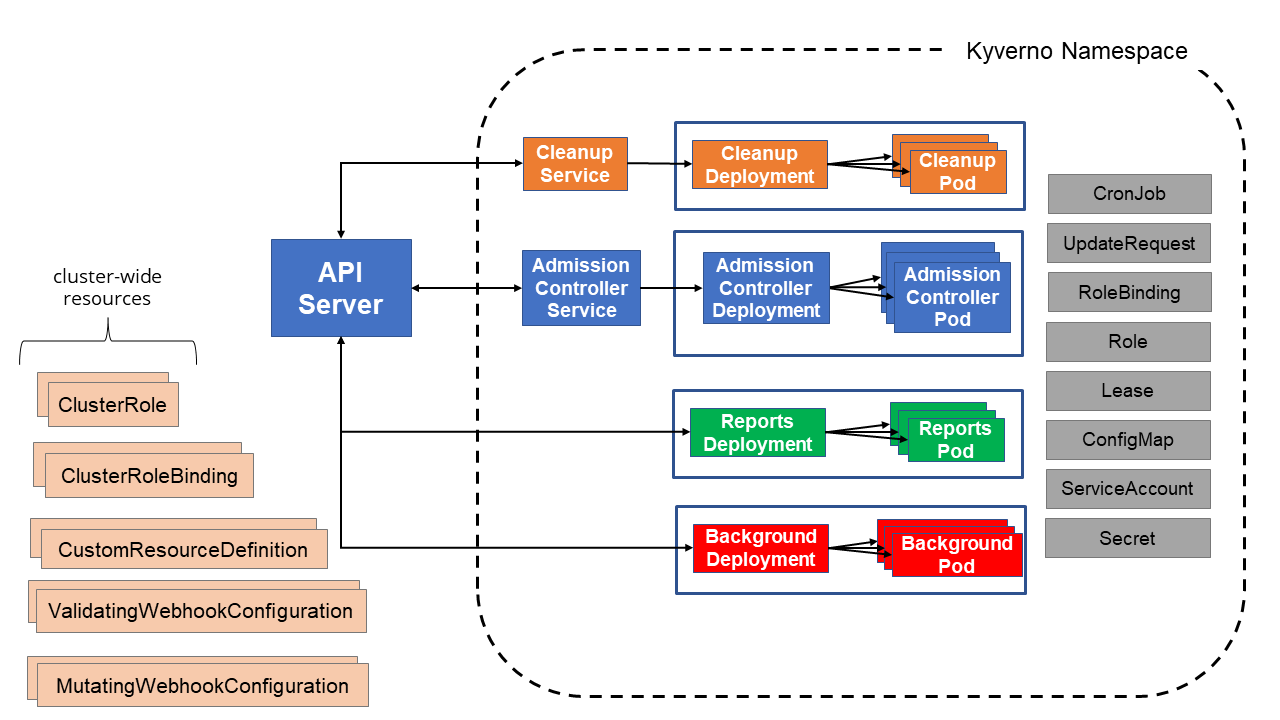
Kyverno is a policy engine designed for Kubernetes that provides cluster-wide policy management. It helps ensure that the resources in a Kubernetes cluster adhere to the organization’s policies and best practices.
Key features of Kyverno include:
- Policy as Code
- Validation of resources
- Mutation of resources
- Generation of default values
Why should you consider using Kyverno?
Kyverno is a powerful policy management tool that provides several key benefits:
- Declarative: Define policies using simple YAML files.
- Flexibility: Allows for fine-grained control over Kubernetes resources.
- Visibility: Gain insights into policy enforcement and compliance status.
- Scalability: Scales effortlessly with your Kubernetes deployments.

What are the key features offered by Kyverno?
Kyverno provides several important features that help in managing and enforcing policies in Kubernetes clusters:
Key features:
- Policy management: Define and manage policies to enforce best practices and security requirements.
- Rule engine: Kyverno uses a flexible rule engine to evaluate policies and enforce them on resources.
- Mutation and validation: Automatically mutate resources to comply with policies and validate configurations.
- Conditional processing: Apply policies conditionally based on resource attributes and metadata.
- Policy templates: Create reusable templates for policies to simplify policy management.
Who are the primary users of Kyverno?
In general, the primary users of Kyverno can be categorized as:
- Cluster administrators: who are responsible for configuring and managing Kyverno policies at a cluster level.
- Application developers: who implement Kyverno policies to enforce best practices and security measures in their applications.
- Security teams: who leverage Kyverno to enforce security policies and mitigate potential risks across the cluster.
What are the typical use cases for Kyverno?
Kyverno is extremely versatile and can be used in a variety of scenarios. Some typical use cases include:
- Enforcing security policies across Kubernetes clusters
- Automating compliance checks and remediation
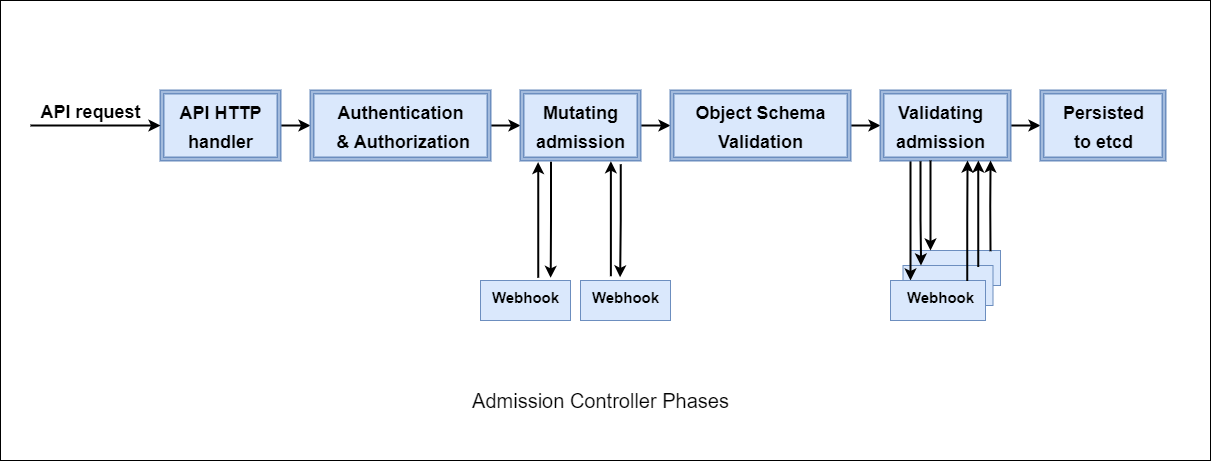
- Implementing admission control for resources
- Applying custom validation rules
How do you get started with Kyverno?
To get started with Kyverno, follow the steps below:
Installation
- Download Kyverno from the official website.
- Install Kyverno on your Kubernetes cluster using suitable installation scripts or Helm charts.
Configuration
Start configuring your Kyverno policies to enforce custom admission control rules in your Kubernetes environment.
Testing
- Test the Kyverno policies by applying them to different resources and observing the enforcement of rules.
- Verify that the policies are working as expected and adjust them as necessary.
How does it work, in the context of Kyverno?
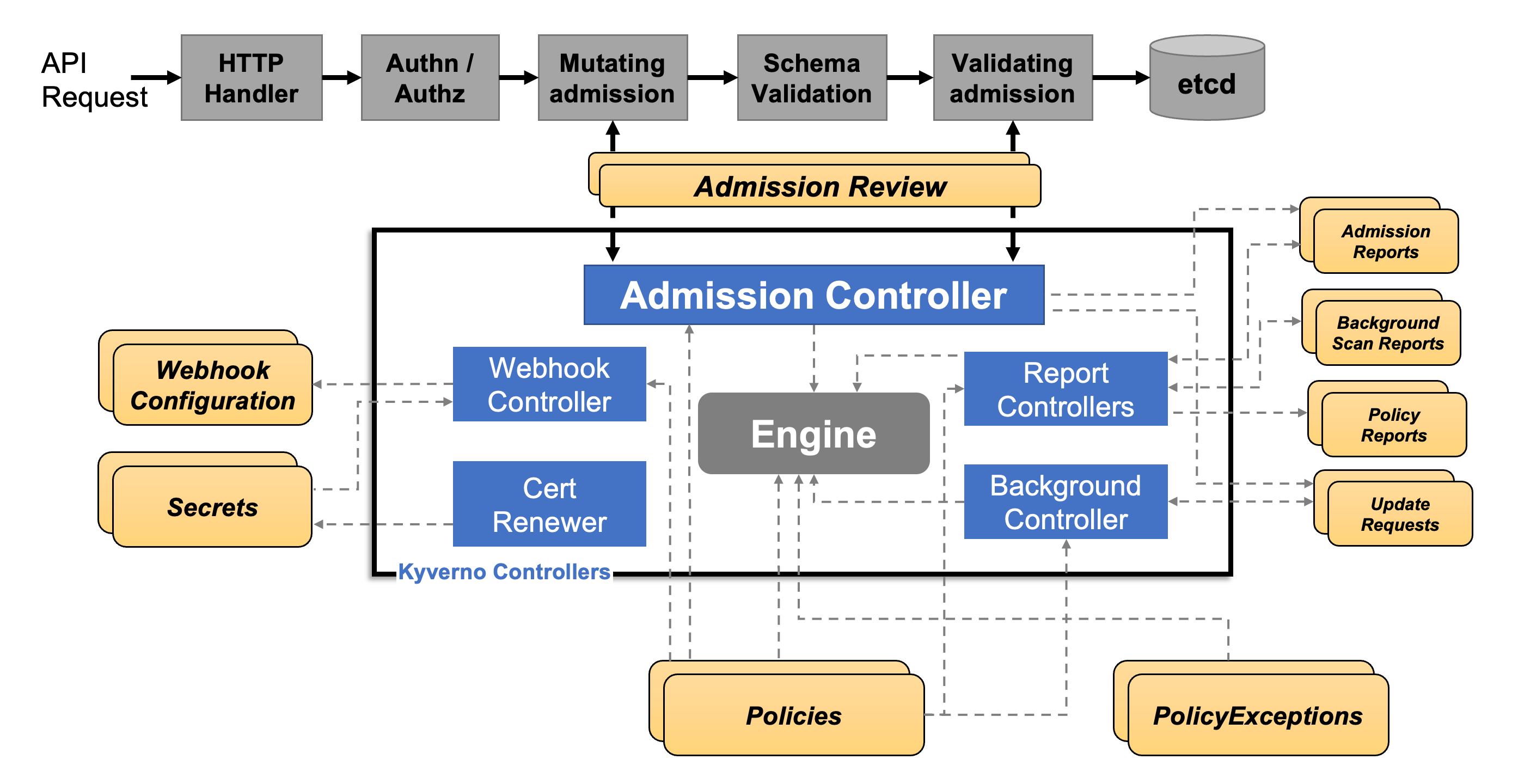
Kyverno provides a policy engine for Kubernetes that can validate, mutate, and generate configurations. When a resource is created or updated in a Kubernetes cluster, Kyverno evaluates policies against the resource. This evaluation determines whether the resource complies with the defined policies. If the resource violates any policy, Kyverno can enforce the policy by either rejecting the resource or mutating it to comply with the policy.
Main functionalities of Kyverno in the context of policy enforcement are:
- Validation: Kyverno can validate resources based on the defined policies. If a resource does not meet the policy criteria, Kyverno prevents it from being created or updated.
- Mutation: Kyverno can mutate resources to comply with the defined policies. It can automatically update resources to enforce policy rules without manual intervention.
- Generation: Kyverno can generate configurations for resources based on templates and policy rules. This feature helps ensure that resources have consistent configurations across the cluster.
Where can you deploy or implement Kyverno?
Kyverno can be deployed or implemented in various environments, including:
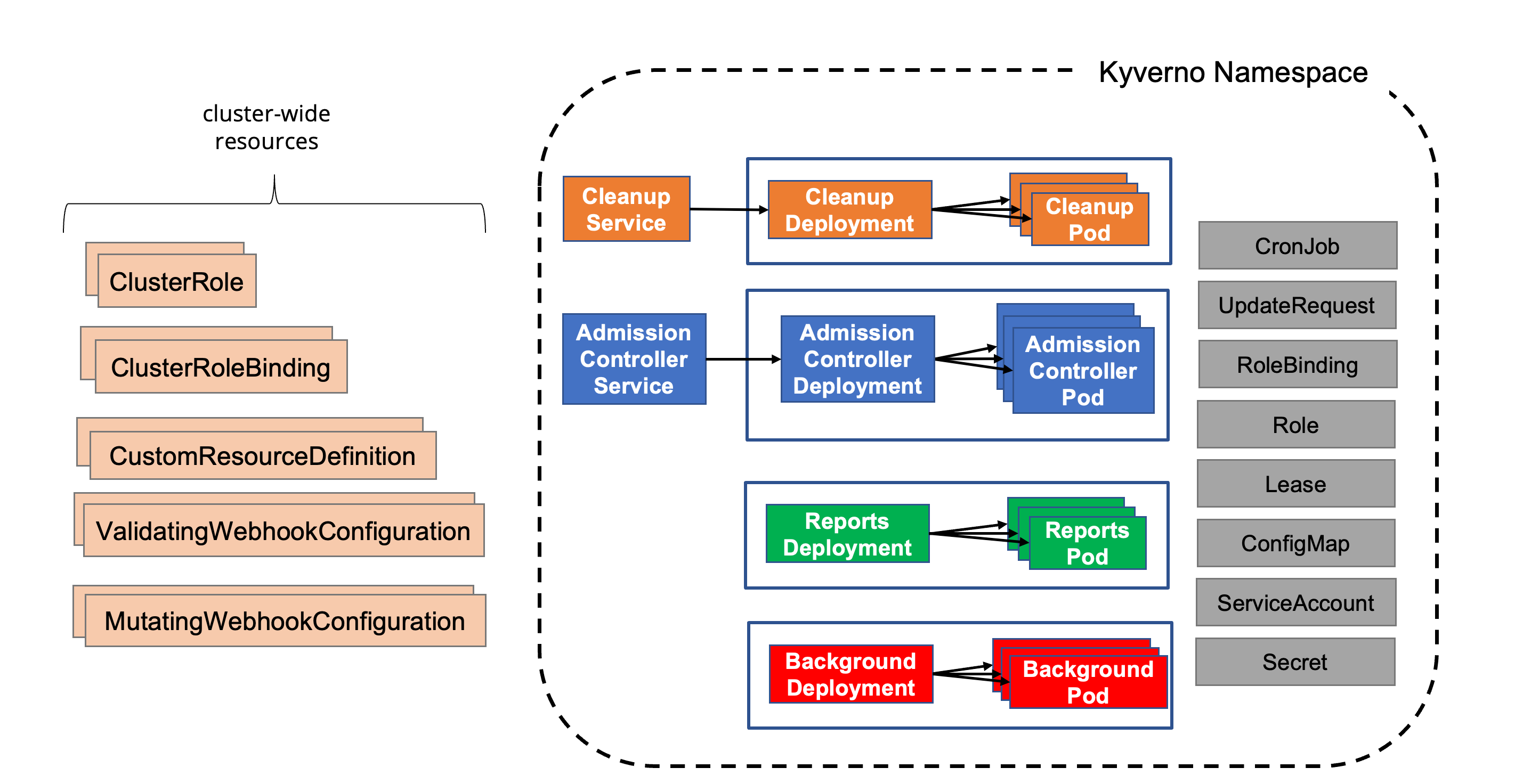
- Kubernetes clusters: Kyverno can be deployed within Kubernetes clusters to enforce policies across resources.
- Cloud environments: Kyverno can also be integrated into cloud environments like AWS, GCP, or Azure to enforce policies for cloud resources.
What are the limitations or challenges associated with Kyverno?
Kyverno, while a powerful policy engine for Kubernetes, also has some limitations and challenges that users should be aware of.
Limitations:
- 1. Lack of support for specific Kubernetes resources
- 2. Limited control over fine-grained policy enforcement
- 3. Performance impacts on large clusters
Challenges:
- 1. Understanding and writing complex policies
- 2. Policy conflicts and overlaps
- 3. Managing policies across multiple clusters
Comparisons of Other tools with Kyverno
Kyverno
When compared to other tools, Kyverno stands out in the following aspects:
- Policy Management: Kyverno provides a powerful policy engine for Kubernetes resource management.
- Policy as Code: With Kyverno, policies can be defined as code and applied to Kubernetes resources.
- Granular Control: Kyverno allows for fine-grained control over policies at various levels.