MOTOSHARE 🚗🏍️
Turning Idle Vehicles into Shared Rides & Earnings
From Idle to Income. From Parked to Purpose.
Earn by Sharing, Ride by Renting.
Where Owners Earn, Riders Move.
Owners Earn. Riders Move. Motoshare Connects.
With Motoshare, every parked vehicle finds a purpose.
Owners earn. Renters ride.
🚀 Everyone wins.
Introduction
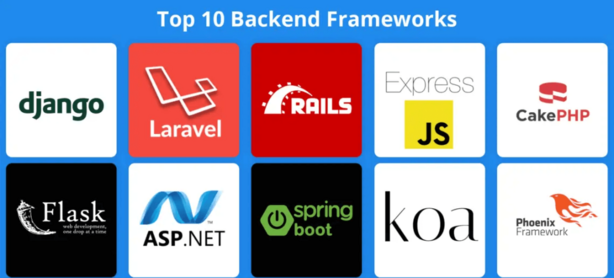
In the fast-paced digital world of 2025, web frameworks tools are the foundation upon which modern web applications are built. These frameworks provide a structured way to build scalable, secure, and responsive web applications faster and more efficiently. Whether you’re developing enterprise-grade solutions or lightweight web portals, choosing the right web framework is crucial for performance, developer productivity, and long-term maintainability.
With technologies evolving rapidly, today’s developers demand tools that offer out-of-the-box support for microservices, real-time capabilities, DevOps integration, SEO-friendliness, and robust community support. Whether you prefer JavaScript, Python, PHP, Ruby, or Go, the ecosystem of frameworks continues to diversify and specialize.
In this blog, we explore the top 10 web frameworks tools in 2025, comparing their features, use cases, pros & cons, and helping you choose the right one based on your project’s needs.
Top 10 Web Frameworks Tools (for 2025)
1. React.js (Meta/Facebook)
Short Description:
React is a declarative JavaScript library for building interactive UIs. It’s ideal for single-page applications (SPA) and front-end development.
Key Features:
- Component-based architecture
- Virtual DOM for high performance
- Hooks API for state management
- Strong community and ecosystem
- JSX syntax for templating
- Seamless integration with other libraries
- React Native for mobile app development
Pros:
- Highly flexible and reusable components
- Backed by Meta (Facebook) and widely adopted
Cons:
- Learning curve for beginners with JSX and Hooks
- Just a view library – needs external routing & state management tools
2. Vue.js (Evan You)
Short Description:
Vue.js is a progressive JavaScript framework designed for building user interfaces and single-page applications.
Key Features:
- Reactive two-way data binding
- Component-based design
- Vue CLI for project scaffolding
- Seamless integration with existing projects
- Lightweight and fast
- Vue 3 Composition API
- Excellent documentation
Pros:
- Easy to learn and adopt
- High performance and simplicity
Cons:
- Smaller enterprise adoption compared to React or Angular
- Limited plugins compared to React
3. Angular (Google)
Short Description:
Angular is a TypeScript-based front-end framework ideal for building dynamic single-page applications at scale.
Key Features:
- Two-way data binding
- Dependency injection
- TypeScript support
- Modular architecture
- CLI tool for scaffolding
- RxJS for reactive programming
- Built-in routing
Pros:
- Great for large-scale enterprise applications
- Comprehensive tooling out-of-the-box
Cons:
- Steep learning curve
- Verbose syntax compared to React or Vue
4. Next.js (Vercel)
Short Description:
Next.js is a React-based framework designed for building server-side rendered (SSR) and statically generated websites.
Key Features:
- Hybrid SSR and static site generation (SSG)
- Built-in routing system
- Image optimization
- API routes and middleware
- TypeScript support
- Incremental Static Regeneration (ISR)
- SEO-friendly architecture
Pros:
- Perfect for SEO and performance
- Excellent DevOps and Vercel deployment integration
Cons:
- Some features tightly coupled with Vercel
- Serverless deployment may not suit all use cases
5. Laravel (PHP)
Short Description:
Laravel is a full-stack PHP framework used for building scalable, secure web applications with elegant syntax.
Key Features:
- MVC architecture
- Eloquent ORM
- Blade templating engine
- Artisan CLI
- Built-in authentication and routing
- Queue and job handling
- Laravel Forge and Vapor integration
Pros:
- Excellent for rapid backend development
- Rich ecosystem and great documentation
Cons:
- Heavier than micro-frameworks like Lumen
- PHP not preferred in some modern stacks
6. Django (Python)
Short Description:
Django is a high-level Python framework that emphasizes rapid development, security, and scalability.
Key Features:
- MTV architecture
- ORM and migrations
- Built-in admin panel
- Form handling and authentication
- Middleware support
- REST framework integration
- Secure by default
Pros:
- Batteries-included philosophy
- Very secure and scalable
Cons:
- Monolithic structure may not suit microservices
- Template language less flexible for some devs
7. Ruby on Rails (RoR)
Short Description:
Ruby on Rails is a mature web application framework written in Ruby, known for convention over configuration.
Key Features:
- MVC pattern
- Active Record ORM
- Convention-based routing
- Scaffold generators
- Background jobs with Sidekiq
- Action Cable for real-time features
- Security best practices built-in
Pros:
- Fast development cycle
- Large community and plugin support
Cons:
- Slower runtime performance
- Steeper learning curve for newcomers
8. SvelteKit (Svelte)
Short Description:
SvelteKit is the full-stack framework for Svelte, a JavaScript compiler that shifts work from runtime to build time.
Key Features:
- No virtual DOM – compiles to vanilla JS
- Super fast performance
- SEO-optimized
- Built-in SSR and routing
- Minimal bundle sizes
- TypeScript support
- File-based routing
Pros:
- Ultra-performant and lean
- Less boilerplate, easier to maintain
Cons:
- Smaller ecosystem than React or Vue
- Still evolving in enterprise environments
9. Flask (Python)
Short Description:
Flask is a micro-framework in Python, best suited for small to medium applications or REST APIs.
Key Features:
- Lightweight core
- Jinja2 templating
- WSGI support
- RESTful request dispatching
- Extensions for ORM, authentication
- Minimalistic design
- Great for microservices
Pros:
- Flexible and easy to use
- Ideal for APIs and startups
Cons:
- Requires third-party packages for full functionality
- Not ideal for large monolithic apps
10. ASP.NET Core (Microsoft)
Short Description:
ASP.NET Core is a cross-platform, high-performance web framework for building modern web, cloud, and enterprise applications.
Key Features:
- Cross-platform .NET support
- Razor Pages & Blazor support
- Middleware pipeline
- Dependency injection
- Web API and SignalR support
- Visual Studio integration
- Enterprise-grade performance
Pros:
- Excellent for Windows and Azure environments
- Scalable and fast with .NET runtime
Cons:
- Learning curve for those new to .NET
- Heavier than other frameworks
📊 Comparison Table
| Tool Name | Best For | Platforms | Standout Feature | Pricing | Rating (G2/Capterra) |
|---|---|---|---|---|---|
| React.js | Dynamic SPAs | Web | Virtual DOM | Free | 4.6/5 |
| Vue.js | Beginner to mid-sized apps | Web | Composition API | Free | 4.7/5 |
| Angular | Enterprise-grade apps | Web | TypeScript + RxJS | Free | 4.5/5 |
| Next.js | SEO-friendly web apps | Web | Hybrid SSR/SSG | Free/Vercel Plans | 4.6/5 |
| Laravel | PHP full-stack dev | Web | Blade, Eloquent ORM | Free | 4.7/5 |
| Django | Secure, scalable backends | Web | Admin panel | Free | 4.6/5 |
| Ruby on Rails | Rapid development MVPs | Web | Convention over config | Free | 4.5/5 |
| SvelteKit | High-performance frontends | Web | Compiler-based approach | Free | 4.6/5 |
| Flask | Lightweight APIs | Web | Micro-framework simplicity | Free | 4.5/5 |
| ASP.NET Core | Enterprise .NET applications | Web/Cloud/Windows | Razor Pages & Blazor | Free (Open Source) | 4.6/5 |
🧭 Which Web Frameworks Tool is Right for You?
🏢 Enterprise Companies
- Choose Angular, ASP.NET Core, or Django for large-scale, maintainable apps with team collaboration and built-in security.
🚀 Startups & MVPs
- Go with Ruby on Rails, Laravel, or Flask for rapid prototyping, fast launch cycles, and extensive community libraries.
📈 SEO & Performance-Oriented Projects
- Next.js, SvelteKit, or Vue.js offer SSR, lightweight bundles, and flexibility for SEO-driven sites.
🧑💻 Developers Who Love JavaScript
- If you’re JS-heavy, React, Vue, Svelte, and Next.js are ideal choices.
🧪 API-Driven Microservices
- Flask, Express (Node.js) (honorable mention), and ASP.NET Core offer speed, RESTful routing, and flexibility.
Conclusion
Web frameworks tools in 2025 are more powerful, flexible, and specialized than ever before. Whether you’re building a startup MVP, a dynamic web app, or a massive enterprise-grade platform, the right framework will drastically improve your development speed, code maintainability, and user experience.
From the robust ecosystems of React and Angular to the lightweight elegance of Flask and Svelte, there’s a perfect fit for every team and every project. Try out a few frameworks, explore their documentation, and start building scalable applications for the future of the web.
🔍 FAQs
1. What are Web Frameworks tools?
Web frameworks are software platforms that help developers build and manage web applications by providing pre-written components, libraries, and structure.
2. Which is the best web framework in 2025?
There’s no one-size-fits-all. React.js, Angular, and Django remain top picks depending on your stack, while SvelteKit and Next.js are gaining ground for performance and SEO.
3. Are web frameworks necessary for web development?
Not mandatory, but they significantly reduce development time, enforce structure, and simplify maintenance and scaling.
4. What’s the difference between front-end and back-end frameworks?
Front-end frameworks like React and Vue handle user interfaces, while back-end frameworks like Django and Laravel manage server-side logic, databases, and APIs.
5. Which web frameworks support SEO best?
Next.js, Angular (with SSR), and SvelteKit offer strong SEO capabilities through server-side rendering or pre-rendering options.