MOTOSHARE 🚗🏍️
Turning Idle Vehicles into Shared Rides & Earnings
From Idle to Income. From Parked to Purpose.
Earn by Sharing, Ride by Renting.
Where Owners Earn, Riders Move.
Owners Earn. Riders Move. Motoshare Connects.
With Motoshare, every parked vehicle finds a purpose.
Owners earn. Renters ride.
🚀 Everyone wins.
Introduction
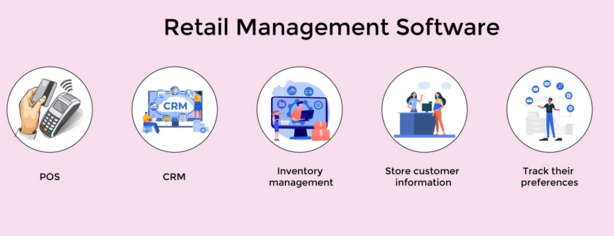
Retail Management Software tools are comprehensive platforms that help retailers integrate point-of-sale, inventory, CRM, analytics, and omnichannel capabilities in a unified solution. In 2025, with the rise of AI-powered automation, real-time inventory tracking, and omnichannel expectations, such tools are no longer optional—they’re essential for efficiency and growth. Retail businesses should look for seamless integrations (ERP/POS/e-commerce), AI-driven insights, mobile capabilities, loyalty program support, and strong vendor support when evaluating solutions. This guide explores the leading tools in the market, highlights what sets them apart, and helps you decide which best suits your needs, whether you’re a small boutique or an enterprise-level chain.
Top 10 Retail Management Software Tools in 2025
Drawing from industry insights and expert reviews :
1. Oracle Retail
Description: A robust enterprise-grade RMS for large-scale retailers.
Key Features:
- Omnichannel integration (all channels unified)
- Real-time analytics and demand forecasting
- Inventory and merchandising workflows
- Enterprise scalability and reliability
- Advanced data-driven decision engine
Pros: - Highly scalable and stable
- Deep analytics and visibility
Cons: - Expensive and complex implementation
- Suited more for large enterprises
2. Settle
Description: Tool focused on retail cash flow and payments optimization.
Key Features:
- Payment reconciliation dashboard
- Cash forecasting tools
- Automated settlements
- Integrates with POS systems
- Real-time transaction tracking
Pros: - Optimizes cash operations
- Clear financial visibility
Cons: - Narrow focus (not full RMS)
- Less relevant for non-financial processes
3. KORONA POS
Description: A POS-centric solution with strong real-time stock alerts.
Key Features:
- Live inventory notifications
- Multi-store POS management
- Cloud-based with offline mode
- Customer loyalty features
- Sales and staff reporting
Pros: - Excellent inventory alerts
- Easy to use for multi-store setups
Cons: - Feature-lite outside core POS
- Customization options limited
4. Zoho Inventory
Description: Intensive warehouse management with retail agility.
Key Features:
- Multi-channel inventory sync
- Warehouse and order management
- Billing and shipping integrations
- Automations for reorders
- Analytics dashboards
Pros: - Cost-effective modular platform
- Strong for warehouse-heavy retailers
Cons: - Limited POS features
- Better as an add-on to broader suite
5. Acumatica
Description: Integrated cloud ERP with retail workflows.
Key Features:
- Unified finance, inventory, customer, and retail data
- Mobile access and dashboards
- AI-driven replenishment
- Multi-channel order flow
- Customizable workflows
Pros: - Truly integrated system
- Flexible and modern UI
Cons: - Licensing can be unclear
- Requires partner for implementation
6. Brightpearl
Description: End-to-end retail operations engine for mid-market.
Key Features:
- Omnichannel order and inventory management
- Built-in accounting and finance
- Demand planning tools
- Integrated CRM and fulfillment
- Analytics and reporting
Pros: - All-in-one tower for mid-size retailers
- Financial and inventory in sync
Cons: - Can be pricey for smaller players
- Learning curve for full suite
7. Vend
Description: Retail POS focused on ease and loyalty.
Key Features:
- POS on iPad/Mac/PC
- Loyalty and customer insights
- Inventory and multi-store sync
- Offline mode and mobile access
- Reports on sales and trends
Pros: - Intuitive and fast to launch
- Affordable for small to mid businesses
Cons: - Advanced features require paid tiers
- Fewer integrations than larger platforms
8. Zebra
Description: Hardware-centric barcode and scanning RMS add-on.
Key Features:
- RFID/barcode scanning devices
- Real-time inventory tracking
- Mobile data capture
- Integration with retail software
- Asset tracking
Pros: - Excellent for inventory-intensive retail
- Reduces errors with auto capture
Cons: - Not full software—purely hardware/tools
- Significant upfront hardware cost
9. Lightspeed Retail
Description: Inventory-first POS solution well-suited for SMBs.
Key Features:
- Inventory tracking
- POS and checkout flexibility
- Loyalty features
- Reporting and analytics
- e-commerce add-on
Pros: - Inventory strength shines
- Smooth POS and store operations
Cons: - e-commerce unlocked via paid tiers
- Higher pricing for advanced features
10. NetSuite SuiteCommerce
Description: Native retail ERP platform with direct e-commerce integration.
Key Features:
- Built-in ERP + POS + e-commerce
- Inventory, finance, CRM live sync
- Omnichannel workflows
- Reporting and dashboards
- Cloud-based scalability
Pros: - Fully unified across operations
- Enterprise feature depth
Cons: - High cost and implementation complexity
- Best for mid-to-large scale retailers
Comparison Table
| Tool Name | Best For | Platforms Supported | Standout Feature | Pricing | Rating (G2/Capterra) |
|---|---|---|---|---|---|
| Oracle Retail | Enterprise multi-channel ops | Cloud/On-prem | Enterprise analytics & workflows | Custom / Demo | Composite ~6.8/10 |
| Settle | Cash flow-centric retailers | Cloud | Transaction forecasting | Custom | (N/A) |
| KORONA POS | Multi-store POS + inventory | Cloud | Real-time stock alerts | Demo / Custom | (N/A) |
| Zoho Inventory | Warehouse-heavy SMBs | Cloud | Order/warehouse management | Free tier + paid | (N/A) |
| Acumatica | Full-stack cloud ERP | Cloud | Unified workflows | Usage-based/custom | (N/A) |
| Brightpearl | End-to-end retail ops | Cloud | Finance + inventory built-in | Custom | (N/A) |
| Vend | Small to mid retail stores | Cloud/iPad | Fast multi-store POS + loyalty | Paid tiers | Composite ~6.7/10 |
| Zebra | High-volume retail inventory | Hardware + Cloud | Advanced mobile scanning | Hardware cost | (N/A) |
| Lightspeed Retail | Inventory-first SMBs | Cloud | Inventory management focus | Contact for pricing | (N/A) |
| NetSuite SuiteCommerce | Mid-large omnichannel retailers | Cloud | Unified e-commerce and ERP | Starts ~$999+/mo | (N/A) |
Which Tool Is Right for You?
- Large or Enterprise Retailers: Go with Oracle Retail or NetSuite SuiteCommerce for deep integration and performance.
- Retailers Focused on Cash Flow: Settle sharpens financial control and settlement clarity.
- Multi-store with Inventory Needs: KORONA POS, Lightspeed, or Vend deliver usability and stock control.
- Warehouse-intensive or Logistics-heavy Retailers: Zoho Inventory or Acumatica are ideal for order and inventory orchestration.
- End-to-End Mid-Size Operations: Brightpearl fits perfectly for finance and operations in one.
- Asset Tracking / Volume-heavy Inventory: Zebra hardware seamlessly integrates with major platforms for real-time scanning.
Conclusion
Retail Management Software tools in 2025 are evolving from mere POS systems into fully integrated retail ecosystems—powered by AI, mobile-first design, and omnichannel coverage. Selecting the right platform can transform operations, enhance customer loyalty, streamline inventory, and boost profitability. Most vendors offer demos or trials—don’t hesitate to test drive a few that align with your operational scale, industry, and budget before committing.
FAQs
1. What is retail management software used for?
It integrates POS, inventory, CRM, analytics, and omnichannel workflows into a unified system for smooth retail operations.
2. Should I choose cloud or on-premise?
Cloud offers low-cost scalability, remote access, and simplified updates. On-premise gives you more control—but comes with higher IT overhead.
3. How important is integration with ERP or e-commerce?
Very—integrations avoid data silos, automate workflows, and support real-time decision-making across sales, inventory, and finance.
4. Can small businesses afford these tools?
Yes—options like Vend, Zoho Inventory, and Lightspeed offer affordable, tiered plans tailored for SMBs with essential features.
5. Why consider AI-powered RMS?
AI brings predictive analytics, automated inventory replenishment, fraud detection, and smarter customer personalization—improving both efficiency and customer experience