MOTOSHARE 🚗🏍️
Turning Idle Vehicles into Shared Rides & Earnings
From Idle to Income. From Parked to Purpose.
Earn by Sharing, Ride by Renting.
Where Owners Earn, Riders Move.
Owners Earn. Riders Move. Motoshare Connects.
With Motoshare, every parked vehicle finds a purpose.
Owners earn. Renters ride.
🚀 Everyone wins.
Introduction
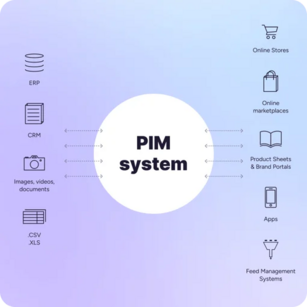
In 2025, Product Information Management (PIM) tools have become essential for businesses of all sizes. PIM software helps companies centralize, manage, and distribute product information across various channels, ensuring consistency, accuracy, and efficiency. With the ever-growing digital marketplace, having a reliable PIM system is crucial for businesses aiming to streamline operations, enhance customer experience, and improve data-driven decision-making.
The importance of PIM tools lies in their ability to manage vast amounts of product data, which may be distributed across multiple systems and platforms. PIM enables easy access to product details like specifications, pricing, descriptions, images, and more, ensuring uniformity across sales, marketing, and e-commerce channels.
As we head into 2025, selecting the right PIM solution has become a critical task. With numerous options on the market, choosing the best tool for your business requires careful consideration of features, pricing, scalability, and industry fit. In this post, we’ll explore the top 10 PIM tools in 2025, comparing their features, pros, and cons to help you make an informed decision.
Top 10 Product Information Management (PIM) Tools in 2025
1. Akeneo PIM
Short Description
Akeneo PIM is an open-source Product Information Management tool designed to help businesses efficiently manage product data. It is ideal for mid to large-sized organizations with complex product catalogs.
Key Features
- Centralized data management across multiple channels
- Easy-to-use interface with drag-and-drop functionality
- Advanced segmentation for better targeting
- Flexible integration with e-commerce platforms like Magento and Shopify
- API-first architecture for seamless integrations
Pros
- Highly scalable for growing businesses
- Open-source and customizable
- Excellent community support
Cons
- Steep learning curve for new users
- Requires technical expertise for setup and customization
2. Infor PIM
Short Description
Infor PIM is a cloud-based product information management solution designed for manufacturing and distribution industries. It centralizes product information and integrates seamlessly with supply chain systems.
Key Features
- Data centralization and multi-channel publishing
- Integration with ERP and CRM systems
- Real-time collaboration across teams
- Built-in data governance and quality controls
- Customizable workflows for specific industry needs
Pros
- Robust integration capabilities
- Ideal for manufacturing and distribution businesses
- Flexible, customizable interface
Cons
- Complex setup and high cost
- May not be suitable for smaller companies with fewer resources
3. Salsify PIM
Short Description
Salsify PIM is a cloud-based solution known for its user-friendly interface and integration with major e-commerce platforms. It helps brands manage product data, content, and digital assets efficiently.
Key Features
- E-commerce-focused product data management
- Real-time content syndication across channels
- Collaborative workflows for marketing and product teams
- Data validation and enrichment tools
- Seamless integrations with Shopify, Amazon, and other platforms
Pros
- Highly intuitive and easy to use
- Excellent e-commerce integration
- Strong customer support
Cons
- High price point for small businesses
- Limited features for complex product data structures
4. Pimcore PIM
Short Description
Pimcore is an open-source platform that combines PIM, Digital Asset Management (DAM), and Customer Data Management (CDM). It is ideal for businesses looking for a comprehensive and customizable solution.
Key Features
- Open-source and highly customizable
- Unified platform for managing product data, digital assets, and customer data
- Multi-channel publishing and distribution
- Integration with leading e-commerce platforms
- Advanced data governance features
Pros
- Flexible and highly scalable
- Great for businesses with complex needs
- Open-source with a large community of developers
Cons
- Requires significant technical expertise
- Not as user-friendly as other options
5. Stibo Systems PIM
Short Description
Stibo Systems PIM is an enterprise-level solution focused on managing product data across large, complex organizations. It offers a rich set of features for data governance, compliance, and multi-channel distribution.
Key Features
- Centralized data management and distribution
- Advanced data governance and quality controls
- Integration with ERP, CRM, and other systems
- Multi-language and multi-currency support
- Role-based access control for team collaboration
Pros
- Excellent for large enterprises
- Strong data governance features
- Scalable and flexible for growth
Cons
- High cost, especially for small businesses
- Complex implementation process
6. Riversand PIM
Short Description
Riversand PIM is an enterprise-grade solution designed to handle the needs of global brands and retailers. It focuses on centralizing and distributing product information efficiently.
Key Features
- Cloud-based with AI-powered data enrichment
- Integration with e-commerce, ERP, and other platforms
- Advanced analytics for product data
- Data governance, workflow, and collaboration tools
- Global reach with multi-language and multi-currency support
Pros
- Scalable for large enterprises
- AI-powered data enrichment
- Robust integration capabilities
Cons
- High upfront costs
- Requires significant implementation time
7. Syndigo PIM
Short Description
Syndigo provides a comprehensive PIM and digital asset management solution that allows businesses to manage and distribute product information across various channels efficiently.
Key Features
- Cloud-based PIM with DAM functionality
- Real-time product data updates and syndication
- Integration with e-commerce platforms and marketplaces
- Collaboration tools for product teams
- Advanced analytics and reporting features
Pros
- All-in-one solution for PIM and DAM
- Real-time data distribution
- Great customer support
Cons
- Limited features for highly customized needs
- Higher pricing for smaller businesses
8. Contiki PIM
Short Description
Contiki PIM is a scalable solution that provides businesses with tools to manage, distribute, and enrich their product data. It offers automation and advanced analytics for better data-driven decisions.
Key Features
- Scalable solution for businesses of all sizes
- Automation for product data management
- Integration with e-commerce and CRM platforms
- Data enrichment and validation tools
- Customizable workflows
Pros
- Scalable for growing businesses
- Strong data analytics features
- User-friendly interface
Cons
- Lacks some advanced features of more expensive PIM solutions
- Integration may require additional setup
9. ProductOne PIM
Short Description
ProductOne PIM is designed for small to mid-sized businesses looking for an easy-to-use solution to manage product data. It helps streamline processes and ensure accurate product information across all platforms.
Key Features
- Cloud-based PIM with multi-channel publishing
- Easy-to-use interface for quick adoption
- Integration with popular e-commerce platforms
- Bulk data import and export features
- Real-time updates for product catalogs
Pros
- Affordable for small businesses
- Quick and easy to set up
- Great integration options
Cons
- Limited features for large enterprises
- Lacks advanced analytics and reporting tools
10. Veeqo PIM

Short Description
Veeqo offers an all-in-one PIM solution that integrates with multiple sales channels, making it ideal for retailers and wholesalers who need to manage inventory, orders, and product data in one place.
Key Features
- Multi-channel integration for product data
- Inventory management and order fulfillment features
- Real-time updates and synchronization
- Built-in analytics and reporting tools
- User-friendly interface for easy adoption
Pros
- Ideal for retailers and wholesalers
- Multi-channel integration
- Affordable and easy to use
Cons
- Limited customization options
- Lacks advanced PIM features for larger enterprises
Comparison Table
| Tool Name | Best For | Platforms Supported | Standout Feature | Pricing | Rating |
|---|---|---|---|---|---|
| Akeneo | Mid to large-sized businesses | Web, Cloud | Open-source and customizable | Starts at $0 | 4.6/5 |
| Infor | Manufacturing, Distribution | Web, Cloud | ERP integration | Custom pricing | 4.3/5 |
| Salsify | E-commerce businesses | Cloud, Web | Real-time content syndication | Starts at $500/month | 4.5/5 |
| Pimcore | Complex businesses | Cloud, Web | Open-source platform | Free | 4.4/5 |
| Stibo Systems | Large enterprises | Cloud, Web | Data governance features | Custom pricing | 4.2/5 |
| Riversand | Global brands | Cloud, Web | AI-powered data enrichment | Custom pricing | 4.5/5 |
| Syndigo | E-commerce retailers | Cloud, Web | PIM and DAM in one | Custom pricing | 4.3/5 |
| Contiki | Growing businesses | Cloud, Web | Automation features | Starts at $150/month | 4.1/5 |
| ProductOne | Small to mid-sized businesses | Cloud, Web | Easy-to-use interface | Starts at $50/month | 4.2/5 |
| Veeqo | Retailers, wholesalers | Cloud, Web | Inventory and order management | Starts at $125/month | 4.4/5 |
Which Product Information Management (PIM) Tool is Right for You?
When choosing the right PIM tool for your business, consider the following factors:
- Company Size: Larger enterprises will likely benefit from robust tools like Stibo Systems, Infor, or Riversand. Smaller businesses may prefer tools like ProductOne or Contiki, which are easier to implement and more affordable.
- Industry Needs: If you’re in manufacturing or distribution, Infor PIM or Stibo Systems could be the best options. E-commerce-focused businesses may find Salsify or Veeqo ideal.
- Budget: Open-source solutions like Akeneo and Pimcore are free but require technical expertise. If your business needs advanced features and can handle a larger budget, Salsify or Riversand may be worth the investment.
- Features: Look for tools with the features that align best with your business’s workflow. For instance, Salsify excels in e-commerce integration, while Riversand offers AI-powered data enrichment.
Conclusion
As we move further into 2025, Product Information Management tools are becoming increasingly vital for businesses to stay competitive in the fast-evolving digital landscape. The tools listed above represent the top solutions for managing product data, each offering unique features tailored to different business needs. Whether you’re a small startup or a large multinational corporation, there’s a PIM tool that can help streamline your processes, improve product data accuracy, and enhance customer experience.
Explore demos or free trials to discover which tool best suits your business, and embrace the power of PIM to boost your product data management strategy today.
FAQs
1. What is Product Information Management (PIM)?
PIM is a software solution used to manage and centralize product data across multiple channels and systems, ensuring consistency and accuracy in product information.
2. Why do businesses need a PIM system?
A PIM system helps businesses streamline their product data management, reduce errors, and ensure a consistent customer experience across all sales and marketing channels.
3. Can PIM systems integrate with e-commerce platforms?
Yes, most PIM systems, such as Salsify and Veeqo, offer seamless integration with e-commerce platforms like Shopify, Magento, and Amazon.
4. Is there an open-source PIM solution?
Yes, Akeneo and Pimcore are popular open-source PIM solutions that allow businesses to customize and tailor the system to their needs.
5. How do I choose the best PIM system for my business?
Consider your company’s size, industry needs, budget, and required features when selecting a PIM system. Tools like Salsify are ideal for e-commerce, while Infor and Stibo Systems are better suited for large enterprises.