MOTOSHARE 🚗🏍️
Turning Idle Vehicles into Shared Rides & Earnings
From Idle to Income. From Parked to Purpose.
Earn by Sharing, Ride by Renting.
Where Owners Earn, Riders Move.
Owners Earn. Riders Move. Motoshare Connects.
With Motoshare, every parked vehicle finds a purpose.
Owners earn. Renters ride.
🚀 Everyone wins.
Introduction
In 2025, music streaming apps continue to dominate the way people listen to music. With millions of tracks available at your fingertips, streaming services have revolutionized music consumption by providing users with access to vast libraries of songs, podcasts, and even live performances on-demand. As the industry matures, there are more platforms than ever offering distinct features tailored to different tastes and preferences.
Choosing the right music streaming tool is essential for anyone looking to create personalized playlists, discover new genres, or enjoy a premium listening experience. Whether you’re an audiophile looking for the highest sound quality or a casual listener who wants a free and easy experience, finding the best music streaming tool for your needs in 2025 requires careful consideration of key factors like content availability, pricing models, user interface, and unique features.
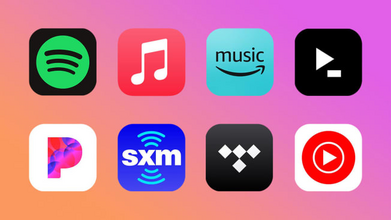
In this post, we’ll explore the top 10 music streaming apps tools in 2025, providing you with detailed comparisons to help you decide which service best suits your needs. Let’s dive into the best options for music lovers worldwide.
Top 10 Music Streaming Apps Tools in 2025
1. Spotify
Short Description:
Spotify remains the undisputed leader in the music streaming space in 2025. Offering a massive catalog of over 70 million tracks, it’s ideal for casual listeners, podcast lovers, and serious audiophiles alike.
Key Features:
- Access to over 70 million songs and 2.2 million podcasts
- Curated playlists based on personal taste
- Offline listening on premium plans
- Cross-platform support (desktop, mobile, smart speakers)
- High-quality audio up to 320 kbps
- Personalized recommendations through AI
Pros:
- Free tier available with ads
- User-friendly interface
- Extensive music library and podcasts
Cons:
- Ads interrupt music in free plan
- Limited sound quality on free plan
- Frequent updates may disrupt playlists
2. Apple Music
Short Description:
Apple Music is perfect for users already invested in the Apple ecosystem, offering exclusive releases, high-fidelity sound, and integration with Apple devices and services.
Key Features:
- Over 75 million tracks in the library
- Lossless and high-definition audio options (up to 24-bit/192 kHz)
- Integration with Siri and Apple ecosystem
- Exclusive artist releases
- Curated playlists and radio stations
- Family sharing and student discounts
Pros:
- Premium audio options for audiophiles
- Seamless integration with Apple devices
- Extensive exclusive content
Cons:
- No free plan available
- Less intuitive interface than some competitors
- Limited cross-platform availability outside Apple devices
3. YouTube Music
Short Description:
YouTube Music leverages the vast library of YouTube videos, offering users the ability to stream official tracks, live performances, and remixes. It’s ideal for those who want more than just audio.
Key Features:
- Integration with YouTube’s vast music video library
- Personalized playlists and recommendations
- Offline listening with YouTube Music Premium
- Access to exclusive live performances
- High-definition video support
Pros:
- Extensive music video library
- Free tier available with ads
- Good integration with Google ecosystem
Cons:
- Audio quality not as high as competitors
- Ads interrupt streaming in free plan
- Interface can be cluttered
4. Amazon Music Unlimited
Short Description:
Amazon Music Unlimited is a strong competitor in 2025, offering an extensive catalog and integration with Amazon devices, particularly appealing to Amazon Prime members.
Key Features:
- Over 75 million songs
- HD and Ultra HD audio options (up to 24-bit/192 kHz)
- Integration with Amazon Echo and Alexa
- Personalized recommendations based on listening habits
- Playlist and station creation
Pros:
- Free trial for Amazon Prime members
- High-quality audio options
- Easy integration with Amazon devices
Cons:
- Not as widely recognized as Spotify or Apple Music
- Free plan has limited access
- Limited availability outside of Amazon’s ecosystem
5. Tidal
Short Description:
Tidal is the go-to platform for audiophiles, offering the highest sound quality with HiFi and Master audio options. Its artist-friendly platform is also great for those who support independent musicians.
Key Features:
- Lossless audio streaming (HiFi and Master)
- Over 70 million tracks and 250,000 music videos
- Curated playlists and exclusive content
- Podcasts, live streams, and concerts
- Artist-focused features and pay structure
Pros:
- Best sound quality in the industry
- Exclusive artist content
- Curated playlists and videos
Cons:
- Expensive compared to other services
- No free tier available
- Limited music discovery tools
6. Deezer
Short Description:
Deezer is a versatile music streaming service offering a range of sound options, including HiFi audio. Its vast catalog and personalized recommendations cater to a global audience.
Key Features:
- Over 73 million songs in the library
- HiFi audio streaming (lossless)
- Personalized playlists and recommendations
- Radio stations and podcasts
- Integration with various smart devices
Pros:
- Free tier available
- Global availability
- Excellent audio options on premium plans
Cons:
- Free plan has ads and limited features
- Interface can be overwhelming for new users
- Less exclusive content compared to competitors
7. Pandora
Short Description:
Pandora is ideal for users in the United States who love personalized internet radio. With its smart algorithm, it tailors playlists based on individual preferences and listening habits.
Key Features:
- Personalized radio stations
- Podcast streaming and custom stations
- Music recommendations based on listening habits
- Offline listening on premium plans
- Integration with smart speakers
Pros:
- Simple and intuitive user interface
- Great for discovering new music
- Free tier with personalized stations
Cons:
- Limited international availability
- Ads interrupt the free plan
- No on-demand song selection in free version
8. SoundCloud
Short Description:
SoundCloud is a platform for discovering independent artists, remixes, and underground music. It’s a great option for users who want to hear something unique and different.
Key Features:
- Over 200 million tracks
- Unique mix of independent and mainstream artists
- Curated playlists
- Cross-platform sharing and social features
- Free tier with limited features
Pros:
- Best platform for discovering emerging artists
- Extensive indie music collection
- Free plan available
Cons:
- Music quality isn’t always consistent
- Free tier has ads
- Limited curated content compared to bigger services
9. Qobuz
Short Description:
Qobuz focuses on high-definition music streaming, catering to audiophiles who want the best possible audio experience with extensive classical and jazz catalogs.
Key Features:
- Over 70 million tracks
- Hi-Res audio options (up to 24-bit/192 kHz)
- Curated playlists and editorial content
- Excellent classical and jazz collections
- No ads on premium plans
Pros:
- Best for audiophiles and high-definition streaming
- Extensive classical and jazz catalogs
- No ads in premium version
Cons:
- Expensive compared to other services
- Limited social features
- Smaller mainstream music library
10. Napster
Short Description:
Napster, once the pioneer of peer-to-peer file sharing, is now a legitimate music streaming service offering millions of songs and a robust user interface.
Key Features:
- Over 60 million tracks available
- Personalized playlists and recommendations
- Family and student plans available
- Offline listening with premium plans
- High-quality audio options
Pros:
- Long-standing reputation in the music space
- Good for discovering new artists
- Excellent value for money
Cons:
- Smaller music catalog than bigger players
- No free plan available
- Limited cross-platform support
Comparison Table
| Tool Name | Best For | Platforms Supported | Standout Feature | Pricing | Rating (G2/Trustpilot) |
|---|---|---|---|---|---|
| Spotify | Casual listeners | iOS, Android, Windows, macOS | Curated playlists | Free / Starts at $9.99 | 4.7/5 |
| Apple Music | Apple ecosystem users | iOS, macOS, Android, Windows | Lossless and Hi-Res audio | Starts at $9.99 | 4.5/5 |
| YouTube Music | Video content lovers | iOS, Android, Web | Integration with YouTube | Free / Starts at $9.99 | 4.4/5 |
| Amazon Music | Amazon users | iOS, Android, Echo, Fire TV | Ultra HD audio | Free / Starts at $9.99 | 4.6/5 |
| Tidal | Audiophiles | iOS, Android, Windows, macOS | HiFi & Master audio | Starts at $9.99 | 4.5/5 |
| Deezer | Global listeners | iOS, Android, Web, Smart Devices | HiFi audio streaming | Free / Starts at $9.99 | 4.3/5 |
| Pandora | U.S. listeners | iOS, Android, Web | Personalized radio stations | Free / Starts at $9.99 | 4.2/5 |
| SoundCloud | Indie music lovers | iOS, Android, Web | Independent and underground music | Free / Starts at $9.99 | 4.3/5 |
| Qobuz | Audiophiles | iOS, Android, Web | High-definition audio | Starts at $14.99 | 4.7/5 |
| Napster | Music discoverers | iOS, Android, Windows, Web | Personalized recommendations | Starts at $9.99 | 4.4/5 |
Decision-Making Guide
When selecting a music streaming app in 2025, the best tool depends on your preferences, audio quality needs, and the ecosystem you’re invested in. Here’s a quick guide to help you choose:
- Spotify: Ideal for casual listeners and podcast lovers looking for a free and easy experience.
- Apple Music: Best for users within the Apple ecosystem who prioritize high-quality audio and exclusive content.
- YouTube Music: Great for those who love watching music videos or want seamless integration with YouTube.
- Amazon Music: Perfect for Amazon Prime members looking for easy integration with Alexa and a wide selection of HD tracks.
- Tidal: Best suited for audiophiles who need the highest sound quality and are willing to pay for it.
- Deezer: A versatile platform with global reach and good audio options for those on a budget.
- Pandora: The go-to choice for personalized radio lovers in the U.S. with great song discovery features.
- SoundCloud: Ideal for users interested in discovering indie music and new artists.
- Qobuz: The best option for audiophiles and classical music lovers who need superior sound.
- Napster: Great for value-seekers who want an established platform with a good music library.
Conclusion
Music streaming apps have evolved significantly over the years, and in 2025, they offer more features, better sound quality, and deeper integrations than ever before. Whether you prioritize audio quality, exclusive content, or simply discovering new music, there’s an app on this list that fits your needs.
Explore the free trials or demos, and choose the one that aligns with your listening habits. Happy listening!