MOTOSHARE 🚗🏍️
Turning Idle Vehicles into Shared Rides & Earnings
From Idle to Income. From Parked to Purpose.
Earn by Sharing, Ride by Renting.
Where Owners Earn, Riders Move.
Owners Earn. Riders Move. Motoshare Connects.
With Motoshare, every parked vehicle finds a purpose.
Owners earn. Renters ride.
🚀 Everyone wins.
Introduction
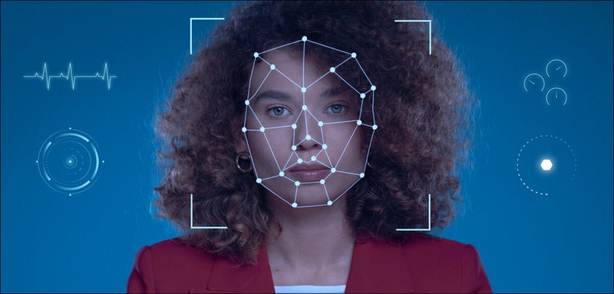
Facial recognition software is one of the most groundbreaking advancements in artificial intelligence (AI) and computer vision technology, revolutionizing how businesses and governments handle security, identity verification, and user authentication. In 2025, facial recognition software is becoming an integral part of a wide range of industries, from banking and retail to law enforcement and healthcare.
The importance of facial recognition technology lies in its ability to provide secure and seamless identity verification without the need for physical interaction. Whether for access control, fraud prevention, or user personalization, the demand for efficient and accurate facial recognition systems has surged in the past few years. As privacy concerns and regulatory standards evolve, it’s essential to choose the right software that ensures compliance while offering top-tier accuracy, speed, and integration capabilities.
This guide will walk you through the Top 10 Facial Recognition Software Tools of 2025, comparing their key features, pros and cons, and providing insights into which tool is best suited for different business needs.
Top 10 Facial Recognition Software Tools in 2025
1. Amazon Rekognition
Short Description:
Amazon Rekognition offers an advanced image and video analysis tool that uses AI to identify objects, people, text, scenes, and activities. It is especially known for facial analysis and recognition.
Key Features:
- Real-time face detection and recognition.
- Object and scene detection in images and videos.
- Text detection from images and videos.
- User-friendly interface and easy integration with AWS services.
- Highly scalable and secure cloud infrastructure.
Pros & Cons:
Pros:
- Seamless integration with other AWS services.
- Provides real-time facial analysis and recognition.
- Offers highly accurate facial search in large datasets.
Cons: - May require AWS account and configuration knowledge.
- Can become expensive depending on usage.
2. Face++
Short Description:
Face++ provides robust facial recognition tools with API and SDKs, offering facial feature detection and emotion recognition capabilities suitable for various industries, including security and retail.
Key Features:
- Facial landmark detection.
- Emotion detection in faces.
- Age and gender recognition.
- Fast and scalable cloud-based API.
- Easy integration with mobile apps and security systems.
Pros & Cons:
Pros:
- Highly accurate facial detection.
- Provides a range of facial attribute analysis.
- Supports real-time facial recognition in large crowds.
Cons: - Limited customization options for advanced use cases.
- High usage costs for enterprise-scale operations.
3. Microsoft Azure Face API
Short Description:
The Microsoft Azure Face API offers advanced facial recognition capabilities, including facial verification and identification, ideal for businesses looking for cloud integration and secure applications.
Key Features:
- Real-time face detection and emotion analysis.
- Supports facial recognition in images and videos.
- Integration with Azure cloud services for security and scalability.
- Cross-platform integration (Windows, iOS, Android).
- API for detecting face landmarks and head poses.
Pros & Cons:
Pros:
- High-quality facial recognition and emotion analysis.
- Scalable with Azure cloud infrastructure.
- Developer-friendly API for integration.
Cons: - Can be expensive for high-volume requests.
- Limited facial recognition accuracy in poor lighting.
4. Clarifai
Short Description:
Clarifai is an AI-powered platform offering image and video recognition with advanced facial recognition capabilities. It allows businesses to develop customized solutions using the tool’s API.
Key Features:
- Accurate facial recognition for images and video.
- Customizable AI models tailored to business needs.
- Real-time image tagging and object detection.
- Easy integration with other Clarifai AI tools.
- Advanced analytics for facial behavior and demographics.
Pros & Cons:
Pros:
- Flexible customization options for specific industries.
- Powerful analytics tools and insights.
- Provides reliable face verification and tagging.
Cons: - Requires learning the platform for full customization.
- Can become costly depending on use.
5. Cognitec
Short Description:
Cognitec specializes in facial recognition software with an emphasis on secure biometric systems, offering solutions for access control, surveillance, and retail industries.
Key Features:
- 2D and 3D face recognition.
- Access control and attendance systems.
- Identity verification in real-time.
- Supports face recognition from low-resolution images.
- High scalability for large datasets.
Pros & Cons:
Pros:
- Ideal for high-security applications like airports.
- Real-time detection and high accuracy.
- Supports a variety of facial recognition needs.
Cons: - The platform can be complex for beginners.
- Higher cost for enterprise-level use.
6. Deep Vision
Short Description:
Deep Vision uses AI and deep learning algorithms to offer high-precision facial recognition and analysis tools for various industries, focusing on security, marketing, and healthcare.
Key Features:
- Advanced face detection with AI-powered algorithms.
- Face search and facial attribute recognition.
- Integration with security camera systems.
- Emotion and demographic analysis.
- Scalable infrastructure for high-volume use.
Pros & Cons:
Pros:
- Accurate recognition in diverse lighting conditions.
- Easy integration with existing security systems.
- Excellent customer support.
Cons: - Requires a deep understanding of AI tools for customization.
- Pricing can be a barrier for smaller businesses.
7. iProov
Short Description:
iProov offers a biometric verification solution powered by facial recognition, designed to provide secure and reliable identity verification for users across industries.
Key Features:
- Liveness detection for secure authentication.
- Facial recognition for online identity verification.
- Simple user interface and seamless integration.
- Global facial recognition performance.
- Strong encryption for data security.
Pros & Cons:
Pros:
- Highly secure liveness detection.
- Excellent for remote identity verification applications.
- Fast and reliable.
Cons: - Can be overkill for low-risk environments.
- Pricing is relatively high for small businesses.
8. TrueFace
Short Description:
TrueFace provides deep learning facial recognition software that specializes in security applications, offering accurate detection and analysis for both security and retail purposes.
Key Features:
- Real-time detection and facial verification.
- Supports multi-camera systems for large venues.
- Accurate detection even in difficult lighting.
- Provides demographic analysis (age, gender).
- Integration with various video surveillance systems.
Pros & Cons:
Pros:
- Works well for surveillance and security.
- Capable of handling large volumes of data.
- Good customer service and support.
Cons: - Interface can be cumbersome for new users.
- More suited for large-scale operations, not small businesses.
9. SkyBiometry
Short Description:
SkyBiometry is a cloud-based facial recognition platform that offers API and SDK solutions for biometric applications, ideal for businesses in security, retail, and online verification.
Key Features:
- Face detection, recognition, and emotion analysis.
- Highly accurate even in low-resolution images.
- API and SDK for easy integration.
- Supports facial features analysis.
- Cloud-based solution for scalable applications.
Pros & Cons:
Pros:
- Reliable API and SDK for quick deployment.
- Accurate in challenging environments.
- Offers both cloud and on-premise solutions.
Cons: - Can become costly for high-volume users.
- May require technical expertise to integrate fully.
10. Ximilar
Short Description:
Ximilar offers powerful visual AI tools, including facial recognition technology tailored to businesses in retail, security, and automotive industries, leveraging machine learning for precise results.
Key Features:
- Real-time face tracking and recognition.
- Integration with retail and security systems.
- Customizable AI models for specific needs.
- Scalable for enterprise-level use.
- Offers emotion and behavior analysis.
Pros & Cons:
Pros:
- Scalable solutions for businesses of all sizes.
- Provides customizable facial recognition models.
- Fast processing and reliable results.
Cons: - Learning curve for customization.
- Pricing may not be suitable for small businesses.
Comparison Table
| Tool Name | Best For | Platform(s) Supported | Standout Feature | Pricing | Rating (G2/Capterra/Trustpilot) |
|---|---|---|---|---|---|
| Amazon Rekognition | Large businesses, developers | AWS Cloud, Web | Real-time face recognition | Starts at $1.00 per 1,000 images | 4.6/5 |
| Face++ | Developers, Security | Cloud, iOS, Android | Emotion detection | Starts at $0.001 per face | 4.3/5 |
| Microsoft Azure | Enterprises, Security | Cloud, Windows | Integration with Azure services | Custom pricing | 4.7/5 |
| Clarifai | Custom applications | Web, Cloud | Custom AI model creation | Free, Paid | 4.5/5 |
| Cognitec | Security, Airports | On-prem, Cloud | High-security access control | Custom pricing | 4.4/5 |
| Deep Vision | Security, Healthcare | Cloud, Web | AI-powered deep learning | Custom pricing | 4.6/5 |
| iProov | Banks, Online Services | Cloud, Web | Liveness detection | Custom pricing | 4.8/5 |
| TrueFace | Security, Surveillance | Cloud, Web | Multi-camera support | Custom pricing | 4.3/5 |
| SkyBiometry | Retail, Verification | Cloud, iOS, Android | Biometric API | Starts at $0.02 per transaction | 4.2/5 |
| Ximilar | Retail, Automotive | Web, Cloud | Custom AI models | Custom pricing | 4.4/5 |
Which Facial Recognition Software Tool is Right for You?
When choosing the right facial recognition software tool for your business, there are several factors to consider:
- Company Size: Larger enterprises will benefit from scalable solutions like Amazon Rekognition, Microsoft Azure Face API, and Cognitec, whereas small to medium-sized businesses might find cost-effective tools like Face++ or SkyBiometry more suitable.
- Industry: For industries requiring high-security standards (e.g., banking, law enforcement), tools with liveness detection and high accuracy, like iProov or Cognitec, are ideal. Retailers and marketers may benefit from tools offering emotion and behavior analysis, such as Clarifai and Ximilar.
- Budget: If you have a limited budget, cloud-based solutions with flexible pricing plans, like Amazon Rekognition and SkyBiometry, may be a good fit. Enterprise-level tools often come with custom pricing but offer broader capabilities and support.
Conclusion
Facial recognition technology is set to play a major role in security, identity verification, and personalization in 2025. With advancements in AI, these tools have become more accurate, scalable, and accessible, making them valuable assets across industries. When selecting a facial recognition software tool, consider your business’s specific needs, budget, and scalability requirements.
As you explore these tools, take advantage of free trials and demos to assess which software best aligns with your objectives. With the right solution, facial recognition software can enhance your business operations, improve security, and elevate customer experiences.
FAQs
1. What is Facial Recognition Software?
Facial recognition software is an AI-driven technology that identifies or verifies individuals based on facial features. It is widely used in security systems, access control, and identity verification.
2. Is Facial Recognition Software accurate?
Yes, many of the latest tools offer high accuracy rates, though performance can vary depending on lighting, image quality, and the software used. Tools like iProov and Amazon Rekognition are known for their high precision.
3. Can Facial Recognition Software be used in retail?
Absolutely! Retailers use facial recognition to personalize customer experiences, analyze shopper behavior, and streamline checkouts. Clarifai and Ximilar provide solutions tailored for retail use.
4. How much does Facial Recognition Software cost?
Pricing varies widely depending on the tool, volume of usage, and specific features. Many tools offer tiered pricing based on usage, with some tools offering free tiers for low-volume users.
5. Can Facial Recognition Software help with security?
Yes, facial recognition software is widely used in security systems for access control, surveillance, and fraud prevention, offering an efficient and secure way to verify identities.