MOTOSHARE 🚗🏍️
Turning Idle Vehicles into Shared Rides & Earnings
From Idle to Income. From Parked to Purpose.
Earn by Sharing, Ride by Renting.
Where Owners Earn, Riders Move.
Owners Earn. Riders Move. Motoshare Connects.
With Motoshare, every parked vehicle finds a purpose.
Owners earn. Renters ride.
🚀 Everyone wins.
Introduction
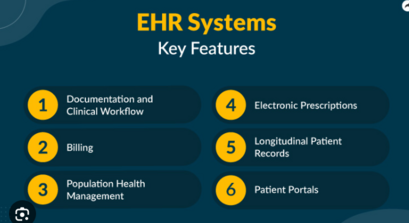
As healthcare continues to evolve, the need for digital solutions that improve efficiency and streamline care management has become essential. One such solution is the Electronic Health Record (EHR) system, a digital version of a patient’s paper chart. EHRs are critical for enhancing patient care, reducing errors, and improving administrative efficiency. In 2025, the demand for advanced, user-friendly, and secure EHR systems has skyrocketed, driving innovation in this space.
An EHR system is essential for healthcare providers to store and manage patient data, including medical history, treatment plans, prescriptions, and test results. As healthcare facilities continue to embrace digital transformation, selecting the right EHR system is crucial to ensuring smooth operations and improved patient outcomes. When choosing an EHR tool, it’s important to consider factors like ease of use, interoperability with other systems, customization, and data security.
In this blog, we will explore the top 10 EHR systems tools in 2025, outlining their key features, pros, cons, and how they compare with one another to help you make an informed decision.
Top 10 Electronic Health Record (EHR) Systems Tools for 2025
1. Epic Systems
Short Description: Epic is one of the most widely adopted EHR systems in large healthcare organizations, offering a comprehensive suite of clinical and administrative tools. It is designed to improve both patient care and operational efficiency.
Key Features:
- Integrated care management across specialties
- Customizable templates and dashboards
- Patient portal for easy communication
- Mobile app for healthcare professionals
- Advanced analytics and reporting tools
Pros:
- Highly customizable for large healthcare organizations
- Robust features for large-scale hospitals and health systems
Cons:
- High initial cost and implementation complexity
- Steep learning curve for new users
2. Cerner EHR
Short Description: Cerner is a leading EHR tool that offers a flexible, scalable platform ideal for healthcare facilities of various sizes. It integrates electronic health records with other clinical systems to optimize patient care.
Key Features:
- Cloud-based architecture
- Real-time data sharing with healthcare providers
- Decision support tools for clinicians
- Integrated billing and coding systems
- Telemedicine support
Pros:
- Scalable for small to large organizations
- Strong interoperability with other systems
Cons:
- Customer service can be slow at times
- The user interface can be overwhelming for smaller practices
3. Allscripts Professional EHR
Short Description: Allscripts provides an EHR solution aimed at improving patient outcomes through real-time information and collaboration among healthcare providers. It offers cloud-based solutions for ambulatory practices and healthcare organizations.
Key Features:
- Cloud-based access for easy use
- Population health management tools
- Patient engagement features
- Customizable workflows and templates
- Integrated analytics for data-driven insights
Pros:
- Intuitive interface and customizable
- Seamless integration with third-party applications
Cons:
- Requires reliable internet connection for cloud-based features
- High costs for advanced features
4. Athenahealth
Short Description: Athenahealth is a cloud-based EHR system that focuses on improving patient care by providing real-time data access and simplifying administrative tasks. It’s ideal for practices of all sizes.
Key Features:
- Fully integrated EHR, billing, and practice management
- Patient portal with scheduling and communication tools
- Customizable templates for clinical workflows
- Mobile apps for healthcare professionals
- Automated revenue cycle management
Pros:
- Fast implementation process
- Affordable for small to mid-sized practices
Cons:
- May require some customization for larger organizations
- Limited offline functionality
5. NextGen Healthcare
Short Description: NextGen offers EHR software designed for small and medium-sized practices, with an emphasis on usability and interoperability. It’s well-known for simplifying workflow and reducing administrative burdens.
Key Features:
- Mobile app for accessing patient data on the go
- Customizable EHR templates
- Real-time patient data sharing and collaboration
- Integrated billing and scheduling
- Telemedicine integration
Pros:
- Excellent support and training
- Simple user interface
Cons:
- Limited advanced features compared to larger systems
- Less suited for large-scale hospitals
6. eClinicalWorks
Short Description: eClinicalWorks provides a flexible and intuitive EHR platform used by physicians, hospitals, and other healthcare providers. It helps manage all aspects of a practice, including medical records, scheduling, and billing.
Key Features:
- Cloud-based for real-time access
- Patient portal for easy communication and scheduling
- Mobile app for physicians
- Built-in analytics and reporting tools
- Telehealth integration
Pros:
- Affordable and scalable for small practices
- Excellent customer service and training
Cons:
- Limited customization options
- Some features may require additional purchases
7. McKesson EHR
Short Description: McKesson’s EHR solution focuses on simplifying administrative workflows and enhancing patient care. It’s ideal for larger healthcare organizations looking for a comprehensive EHR solution.
Key Features:
- Integrated with other McKesson healthcare tools
- Patient management features
- Customizable workflows and templates
- Real-time data access for improved decision-making
- Analytics tools to track patient outcomes
Pros:
- Strong analytics and reporting capabilities
- Seamless integration with McKesson’s suite of healthcare products
Cons:
- High setup and maintenance costs
- Complex to implement in smaller practices
8. Greenway Health EHR
Short Description: Greenway Health offers a robust EHR system with integrated practice management solutions for small to mid-sized healthcare practices, focusing on improving operational efficiency.
Key Features:
- Cloud-based EHR for easy access
- Appointment scheduling and billing integration
- Customizable clinical workflows
- Patient engagement features
- Integrated reporting and analytics tools
Pros:
- Easy to use and implement
- Affordable for smaller practices
Cons:
- Lacks some advanced features
- Customer support can be improved
9. Practice Fusion
Short Description: Practice Fusion provides a cloud-based EHR solution designed for small healthcare practices, offering essential tools for patient management, scheduling, and documentation.
Key Features:
- Cloud-based with real-time access to patient data
- Patient portal with online scheduling and communication tools
- Built-in e-prescribing
- Appointment management and scheduling features
- Clinical decision support tools
Pros:
- Cost-effective solution for small practices
- Simple interface that’s easy to navigate
Cons:
- Lacks advanced features found in more comprehensive systems
- May not scale well for large practices or hospitals
10. Cerner PowerChart
Short Description: Cerner PowerChart is a versatile EHR system designed to help healthcare organizations of all sizes improve clinical workflow, reduce errors, and enhance patient care through real-time data access.
Key Features:
- Integration with clinical and administrative workflows
- Advanced reporting and analytics
- Decision support tools
- Telemedicine capabilities
- Customizable templates for different specialties
Pros:
- High interoperability with other healthcare tools
- Comprehensive features for large-scale healthcare organizations
Cons:
- Complex to set up and use
- Expensive for small practices
Comparison Table
| Tool Name | Best For | Platform(s) Supported | Standout Feature | Pricing | G2 Rating |
|---|---|---|---|---|---|
| Epic Systems | Large Hospitals & Health Systems | Web, Mobile | Customizable care management tools | Custom Pricing | 4.5/5 |
| Cerner EHR | Medium to Large Healthcare Providers | Web, Mobile | Real-time data sharing | Custom Pricing | 4.3/5 |
| Allscripts | Small to Medium Practices | Web, Mobile | Flexible integrations | Starts at $299/month | 4.2/5 |
| Athenahealth | Small to Medium Practices | Web, Mobile | Practice management & telemedicine | Starts at $140/month | 4.4/5 |
| NextGen Healthcare | Small to Medium Practices | Web, Mobile | Interoperability features | Starts at $250/month | 4.1/5 |
| eClinicalWorks | Small Practices | Web, Mobile | Patient engagement features | Starts at $449/month | 4.5/5 |
| McKesson EHR | Large Healthcare Systems | Web, Mobile | Comprehensive analytics | Custom Pricing | 4.3/5 |
| Greenway Health | Small to Medium Practices | Web, Mobile | Integrated practice management | Custom Pricing | 4.2/5 |
| Practice Fusion | Small Practices | Web | Simple, affordable solution | Free | 4.1/5 |
| Cerner PowerChart | Large Healthcare Providers | Web, Mobile | Advanced decision support | Custom Pricing | 4.6/5 |
Which Electronic Health Record (EHR) Systems Tool is Right for You?
Choosing the right EHR system depends on several factors, including the size of your practice, the type of healthcare services you offer, your budget, and the specific features you need. Here’s a quick guide to help you choose:
- Small Practices: Tools like Practice Fusion, eClinicalWorks, or Greenway Health offer affordable, easy-to-use solutions with essential features.
- Medium Practices: NextGen Healthcare or Allscripts provide scalable solutions with robust features like scheduling and billing integration.
- Large Hospitals and Health Systems: Epic Systems, Cerner PowerChart, and McKesson EHR offer highly customizable, comprehensive solutions ideal for large organizations.
Conclusion
In 2025, the landscape of Electronic Health Record (EHR) systems continues to evolve, offering more advanced features that improve patient care and streamline healthcare operations. Whether you’re a small practice or a large healthcare system, choosing the right EHR tool is crucial for enhancing efficiency, ensuring compliance, and improving patient outcomes. We recommend exploring demos or free trials to see which tool best suits your needs.
FAQs
1. What is an EHR system?
An Electronic Health Record (EHR) system is a digital version of a patient’s medical history, which can be accessed and updated by authorized healthcare providers.
2. What are the benefits of using an EHR system?
EHRs improve patient care, reduce medical errors, enhance communication among healthcare providers, and streamline administrative tasks.
3. How much does an EHR system cost?
Costs vary widely depending on the system and its features, with prices ranging from $140/month for small practices to custom pricing for large healthcare systems.
4. Can EHR systems integrate with other healthcare software?
Yes, most modern EHR systems offer interoperability and can integrate with other healthcare tools like billing software and lab systems.
5. How do I choose the best EHR system for my practice?
Consider factors like the size of your practice, your budget, the specific features you need, and the level of customer support provided.