MOTOSHARE 🚗🏍️
Turning Idle Vehicles into Shared Rides & Earnings
From Idle to Income. From Parked to Purpose.
Earn by Sharing, Ride by Renting.
Where Owners Earn, Riders Move.
Owners Earn. Riders Move. Motoshare Connects.
With Motoshare, every parked vehicle finds a purpose.
Owners earn. Renters ride.
🚀 Everyone wins.
Introduction
In today’s data-driven world, businesses are increasingly relying on accurate and reliable data to make informed decisions. Data Quality Tools are essential in ensuring the integrity, accuracy, consistency, and completeness of data. These tools help businesses clean, standardize, and enrich their data to make it more useful and actionable.
As we move into 2025, the need for data quality tools is more significant than ever. The volume and complexity of data are growing, and organizations are leveraging advanced analytics and AI to extract insights. However, poor data quality can lead to errors, delays, and even costly decisions. Therefore, choosing the right data quality tool is critical for every organization that wants to stay competitive.
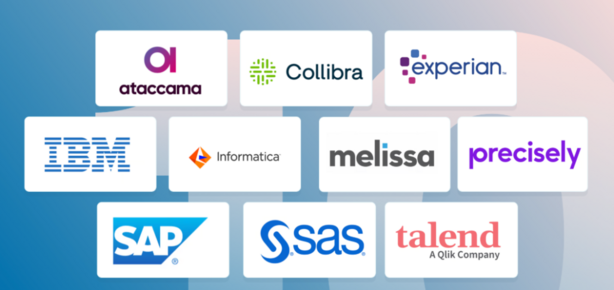
When selecting a data quality tool, businesses should consider factors such as scalability, integration capabilities, ease of use, customer support, and overall value for money. With a wide range of tools available, this post explores the top 10 data quality tools in 2025, comparing their features, pros, cons, and suitability for different needs.
Top 10 Data Quality Tools in 2025
1. Trifacta
Short Description:
Trifacta is a popular data wrangling tool designed for cleaning, transforming, and preparing data for analysis. It is used by data scientists and analysts to automate data preparation workflows.
Key Features:
- Advanced data wrangling and transformation
- Machine learning-driven suggestions for cleaning data
- Integration with cloud platforms like Google Cloud, AWS, and Azure
- User-friendly interface for non-technical users
- Real-time collaboration and sharing
Pros:
- Highly intuitive user interface
- Excellent machine learning-based data cleaning features
- Integrates well with cloud storage
Cons:
- Steep learning curve for beginners
- Expensive for small businesses
2. Talend Data Quality
Short Description:
Talend Data Quality is part of the Talend suite, offering a comprehensive solution for data governance, integration, and cleaning. It provides features for data profiling, cleansing, and monitoring.
Key Features:
- Real-time data profiling and monitoring
- Built-in data validation and correction rules
- Strong integration with other Talend tools
- Cloud-native architecture for easy scalability
- Open-source options available
Pros:
- Robust set of data quality features
- Easy integration with existing ETL processes
- Strong community support due to open-source option
Cons:
- Can be complex for smaller teams to set up
- Requires a solid understanding of data governance
3. Informatica Data Quality
Short Description:
Informatica is one of the leading players in the data quality space. It offers a comprehensive platform for managing data quality, governance, and integration, used by large enterprises worldwide.
Key Features:
- Data cleansing, validation, and enrichment tools
- AI-driven anomaly detection and data profiling
- Integration with cloud, on-premises, and hybrid systems
- Pre-built connectors for various applications
- Data stewardship tools for collaboration
Pros:
- Enterprise-grade solution with scalable infrastructure
- Strong integration with other Informatica tools
- Excellent data profiling and analysis capabilities
Cons:
- High cost of ownership
- Requires technical expertise to fully utilize
4. SAS Data Management
Short Description:
SAS Data Management offers a robust suite of tools for data quality, data governance, and data integration. It is known for its advanced analytics capabilities and deep data management features.
Key Features:
- Comprehensive data profiling and monitoring
- Automated data cleansing and validation
- Data lineage and impact analysis
- High scalability for large datasets
- Integration with SAS analytics tools
Pros:
- Strong analytics integration
- Ideal for large enterprises with complex data needs
- Excellent data governance and lineage tracking
Cons:
- Expensive and suited mostly for large organizations
- Requires a dedicated IT team for implementation
5. IBM InfoSphere QualityStage
Short Description:
IBM InfoSphere QualityStage is a data quality tool that provides powerful features for profiling, cleansing, matching, and monitoring data quality. It is suited for large-scale data environments.
Key Features:
- Data cleansing, matching, and transformation tools
- Pre-built templates and rule sets for industry-specific use
- Robust integration with IBM’s data governance tools
- Real-time data quality monitoring
- Built-in data matching algorithms for deduplication
Pros:
- Powerful data matching and deduplication
- Excellent integration with IBM’s analytics and governance tools
- Ideal for large-scale data management
Cons:
- High complexity for smaller businesses
- Expensive for companies with limited budgets
6. Ataccama ONE
Short Description:
Ataccama ONE is a data quality tool that uses machine learning to automate data profiling, cleansing, and governance. It is designed for businesses seeking both data quality and governance in a unified platform.
Key Features:
- AI and machine learning-powered data profiling
- Real-time data quality monitoring
- Data governance and stewardship features
- Integration with cloud and on-premises data systems
- Automated data transformation and enrichment
Pros:
- AI-driven capabilities for automated data profiling
- Strong governance features for compliance
- Scalable for organizations of all sizes
Cons:
- Requires a learning curve for full utilization
- Higher cost for small to medium-sized businesses
7. Data Ladder
Short Description:
Data Ladder offers data matching and data cleansing tools aimed at helping organizations improve data accuracy and consistency, especially for organizations dealing with large, complex datasets.
Key Features:
- Data matching and deduplication tools
- Address validation and cleansing
- Data enrichment capabilities
- Cloud and on-premises deployment options
- Data profiling and anomaly detection
Pros:
- Specializes in data matching and deduplication
- Affordable for smaller businesses
- Excellent customer support
Cons:
- Limited scalability for large enterprises
- Lacks some advanced features offered by bigger tools
8. Melissa Data Quality Suite
Short Description:
Melissa’s Data Quality Suite provides a range of tools for cleaning and validating addresses, phone numbers, and emails. It is widely used for improving contact data accuracy.
Key Features:
- Address verification and correction
- Email and phone number validation
- Real-time data cleansing
- International data quality support
- Integration with CRM and marketing platforms
Pros:
- Excellent for managing customer contact data
- Real-time validation for accuracy
- Easy-to-use interface
Cons:
- Best suited for contact data, not all data types
- Limited functionality compared to enterprise tools
9. DataFlux Data Management
Short Description:
DataFlux offers an advanced data management suite that focuses on data quality, governance, and integration, enabling organizations to maintain clean and reliable data for analytics.
Key Features:
- Real-time data quality monitoring
- Integration with popular analytics platforms
- Data enrichment and transformation tools
- Scalable for large datasets
- Pre-built data governance templates
Pros:
- Strong integration with analytics platforms
- Scalable solution for large enterprises
- Excellent data enrichment features
Cons:
- Complex to set up and use
- High cost for small businesses
10. WinPure Clean & Match
Short Description:
WinPure Clean & Match is a straightforward, easy-to-use data quality tool for smaller businesses. It specializes in data cleansing, matching, and deduplication, particularly for contact and customer data.
Key Features:
- Data deduplication and matching
- Address validation and phone number validation
- Easy-to-use interface
- Integration with popular CRM systems
- Data profiling and enrichment
Pros:
- Affordable for small businesses
- Simple interface for non-technical users
- Excellent customer support
Cons:
- Lacks advanced features for larger enterprises
- Limited scalability for growing businesses
Comparison Table
| Tool Name | Best For | Platform(s) Supported | Standout Feature | Pricing | G2/Capterra Rating |
|---|---|---|---|---|---|
| Trifacta | Data Scientists | Cloud (AWS, GCP, Azure) | AI-driven data wrangling | Starts at $99/month | 4.5/5 |
| Talend Data Quality | Enterprises | On-premises, Cloud | Real-time data profiling | Free/Open-source | 4.6/5 |
| Informatica | Large Enterprises | On-premises, Cloud | Data governance integration | Custom pricing | 4.4/5 |
| SAS Data Management | Large Enterprises | On-premises, Cloud | Data lineage and impact analysis | Custom pricing | 4.3/5 |
| IBM InfoSphere QualityStage | Large Enterprises | On-premises, Cloud | Data matching algorithms | Custom pricing | 4.2/5 |
| Ataccama ONE | Mid to Large Enterprises | Cloud & On-premises | AI-driven data profiling | Custom pricing | 4.7/5 |
| Data Ladder | Small to Mid Enterprises | Cloud & On-premises | Data matching & deduplication | Starts at $1,500/year | 4.4/5 |
| Melissa Data Quality Suite | Small to Mid Enterprises | Cloud & On-premises | Address & phone validation | Starts at $1,500/year | 4.3/5 |
| DataFlux Data Management | Large Enterprises | Cloud & On-premises | Integration with analytics platforms | Custom pricing | 4.5/5 |
| WinPure Clean & Match | Small Businesses | Cloud & On-premises | Simple interface, Affordable | Starts at $299/year | 4.1/5 |
Which Data Quality Tool is Right for You?
- Small Businesses: Tools like WinPure Clean & Match and Data Ladder are ideal due to their affordability and ease of use.
- Mid-Sized Businesses: Talend Data Quality and Ataccama ONE offer powerful features with scalability for growing businesses.
- Large Enterprises: Informatica, IBM InfoSphere, and SAS Data Management are suited for large-scale operations with complex data needs.
Conclusion
As data becomes increasingly important in decision-making, having the right tools to ensure data quality is essential. The tools listed above offer a variety of features, from simple cleansing and matching to advanced data profiling and integration. When choosing a tool, it’s crucial to evaluate your company’s needs, the complexity of your data, and your budget.
The landscape for data quality tools will continue to evolve in 2025, with AI and machine learning playing an increasingly central role. We encourage you to explore demos or free trials to find the best fit for your organization.
FAQ Section
Q1: What are data quality tools used for?
Data quality tools are used to clean, validate, and enrich data to ensure it is accurate, consistent, and usable.
Q2: How do I choose the best data quality tool?
Consider factors such as integration capabilities, ease of use, scalability, and pricing to select the tool that fits your business needs.
Q3: Are there any free data quality tools?
Yes, some tools like Talend offer free versions, while others, like WinPure Clean & Match, have affordable pricing for small businesses.
Q4: Can data quality tools integrate with other software?
Most data quality tools offer integrations with popular CRM, analytics, and business intelligence platforms.
Q5: What industries benefit the most from data quality tools?
Industries like healthcare, finance, retail, and marketing benefit significantly from ensuring high-quality data for accurate decision-making.