3 Things to Ensure Your Team Gets DevOps Right
Adopting DevOps requires more than cultural change. Learn the three infrastructure steps—hybrid cloud strategy, modern platform support, and automation—that help enterprises get DevOps right.
DevOps Best Practices
Adopting DevOps requires more than cultural change. Learn the three infrastructure steps—hybrid cloud strategy, modern platform support, and automation—that help enterprises get DevOps right.
A mature Continuous Delivery pipeline automates builds, tests, deployments, and feedback loops to produce reliable, rapid software releases. This guide covers the core practices every DevOps team should implement.
From cultural resistance to legacy systems and fragmented tooling, DevOps adoption comes with real obstacles. Here are the ten most common barriers IT executives face—and practical solutions for each.
YOUR COSMETIC CARE STARTS HERE Find the Best Cosmetic Hospitals Trusted • Curated • Easy Looking for the right place […]
Transitioning into a DevOps management role requires more than a title change. Here are five practical tips—from leading practitioners—on how to lead teams through a genuine DevOps transformation.
Learn how to implement CI/CD pipelines in Kubernetes using Jenkins and Fabric8. This guide covers local cluster setup with gofabric8, cloud deployment on GCE via Stackpoint, and Jenkins configuration with the Kubernetes plugin.
Choosing between a PaaS solution like Heroku or Cloud Foundry and a serverless platform like AWS Lambda is one of the most common decisions in cloud app development. Here is a practical comparison to help you decide.
YOUR COSMETIC CARE STARTS HERE Find the Best Cosmetic Hospitals Trusted • Curated • Easy Looking for the right place […]
Learn how Docker Secrets management works in Docker Swarm mode — from creating and distributing secrets to rotating them without changing application code.
Choosing the wrong tools will undermine even the best CI/CD pipeline design. Follow these practical rules to evaluate and select tools that genuinely support continuous delivery values.
New Relic’s Digital Intelligence Platform gives DevOps teams full-stack visibility—from customer experience to infrastructure—enabling faster deployments, better collaboration, and measurable business outcomes.
Microservices improve developer agility, but their distributed nature makes diagnosing performance problems far more complex than in monolithic applications. This guide covers data strategies, tooling, and systematic techniques for isolating and resolving microservices performance issues.
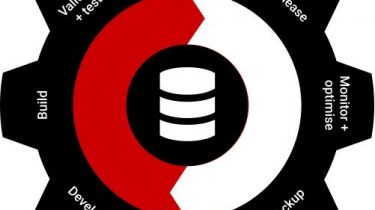
The database is often the weakest link in a DevOps pipeline. Learn how DBAs, automation, and the right culture can turn your database into a first-class citizen of your CI/CD workflow.
DevOps alone cannot guarantee that software delivers real business value. Learn how BizDevOps bridges the gap between business strategy and the DevOps pipeline to improve app success rates and align development to measurable outcomes.
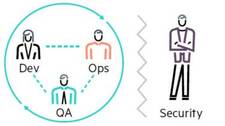
Security talent is scarce and expensive. These five practical tips help DevOps-oriented organizations maximize their security team’s effectiveness by embedding security into everyday workflows, training all staff, and choosing the right tooling.
The mobile app market is evolving fast. Discover the core technical and strategic skills every app developer needs today — from cross-platform development to backend integration and DevOps practices.
YOUR COSMETIC CARE STARTS HERE Find the Best Cosmetic Hospitals Trusted • Curated • Easy Looking for the right place […]
A DevOps team that merely keeps the lights on is a cost centre. Here are three actionable principles for turning your DevOps practice into a genuine engine of innovation and competitive advantage.
Digital Transformation accelerates software delivery velocity and operational complexity. Learn how DevOps principles, cross-team collaboration, and intelligent monitoring can help engineering teams control the chaos that inevitably follows.
Migrating to cloud-based, ephemeral test environments combined with infrastructure and test automation can dramatically reduce your test environment spend—turning a fixed annual cost into a small, pay-as-you-go line item.